World War II

Argentina
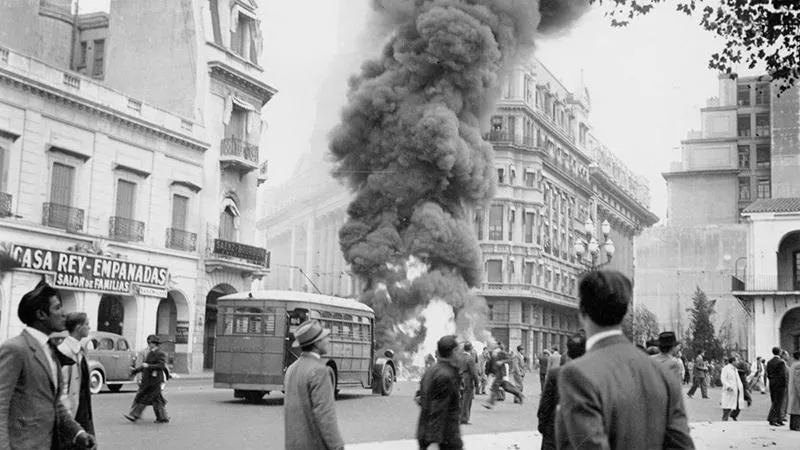
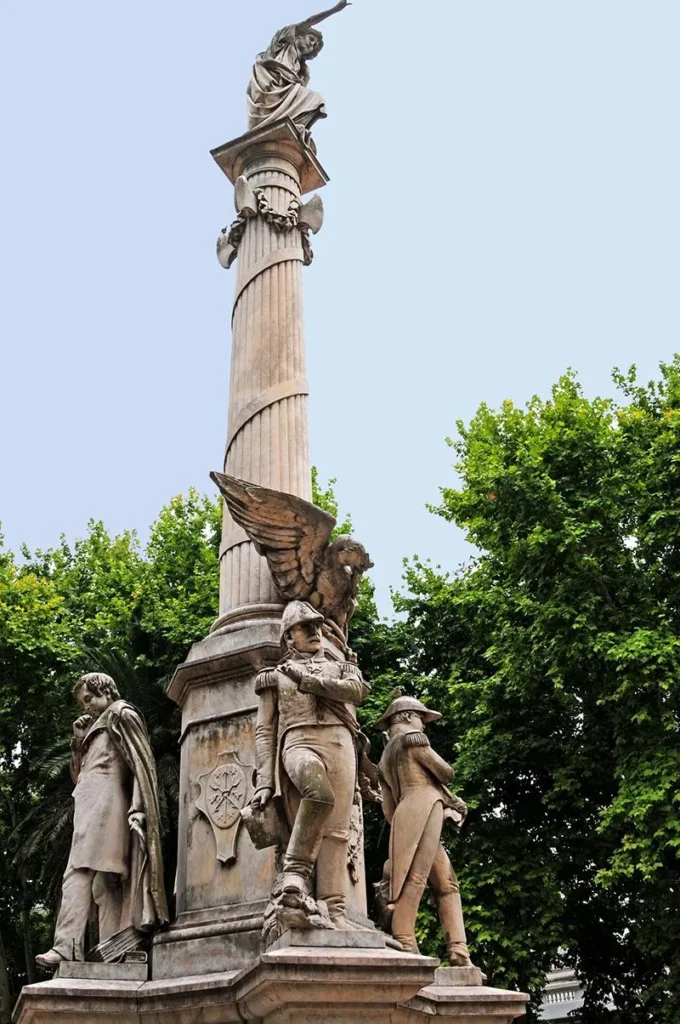
At the onset of the war, Argentina adhered to a policy of neutrality, a stance rooted in its historical approach to international conflicts. It wasn’t until 27th March 1945 that Argentina declared war on Germany and Japan, a decision influenced by shifting global dynamics and internal political changes. While officially neutral for most of the war, Argentina saw individual participation in the conflict. Approximately 4,000 Argentine volunteers served in the British armed forces, with around 750 joining the Royal Air Force and Royal Canadian Air Force. Direct military casualties from Argentina were relatively limited due to its late entry into the war. However, the global con-flict indirectly affected Argentine civilians, especially those of European descent.
The Argentine Museum of the Holocaust has documented 900 confirmed Argentine citizen vic-tims of the Holocaust, with ongoing investigations potentially increasing this number.
Economically, World War II presented both challenges and opportunities for Argentina. The war disrupted traditional trade routes, leading to a decline in imports from Europe.
Between 1939 and 1943, the share of manufactured goods in total exports rose from 2.9% to 19.4%. This industrial expansion was particularly pronounced in urban centres like Greater Bue-nos Aires, which by 1946 housed 56% of the nation’s industrial establishments and 61% of its industrial workforce. Despite this industrial growth, the war strained Argentina’s traditional export markets, especially in Europe.
The British blockade of Germany and the broader disruptions of global trade led to significant surpluses of agricultural products as European demand waned. This situation prompted Argenti-na to explore alternative markets and adjust its economic policies to navigate the challenges posed by the global conflict.
In the immediate aftermath of World War II, Argentina underwent significant political and social transformations. The influx of European immigrants, including a substantial number of displaced persons and refugees, reshaped the country’s demographic landscape.
Concurrently, Argentina became a refuge for numerous Nazi fugitives. More than 300 former Na-zi officials and collaborators sought asylum in the country, facilitated by networks that operated with a degree of governmental acquiescence. There have been consistent rumours that Hitler had also fled to Argentina, hence, living his life out there for over two decades.
The presence of these individuals has had a lasting impact on Argentine society, prompting on-going discussions about historical memory, justice, and the nation’s role during and after the war. Although Argentina’s direct involvement in World War II was limited due to its prolonged neutrali-ty, the conflict had a significant impact on the nation’s economic policies, demographic composi-tion, and societal debates.
The war catalysed industrial growth through import substitution altered traditional trade relation-ships and led to a complex legacy regarding immigration and historical accountability.
(Never Again – for Humanity)