World War II
France
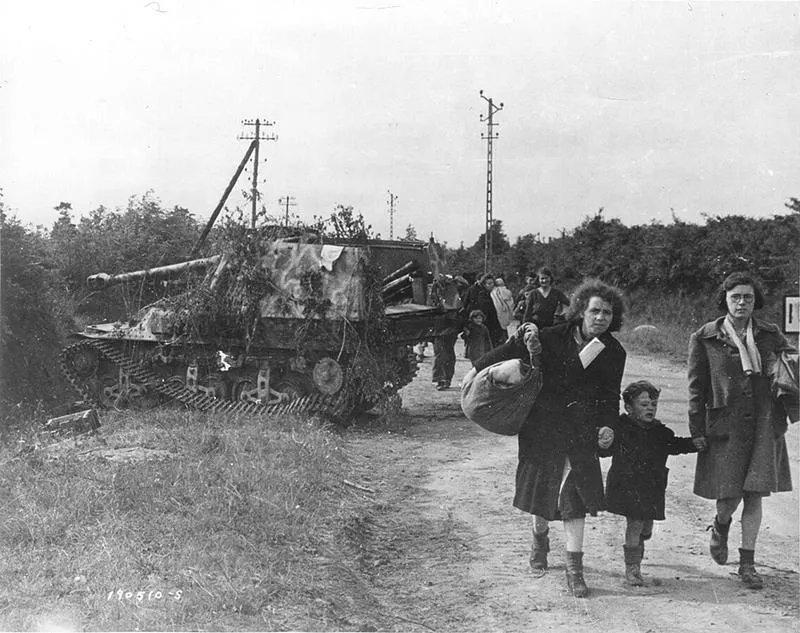
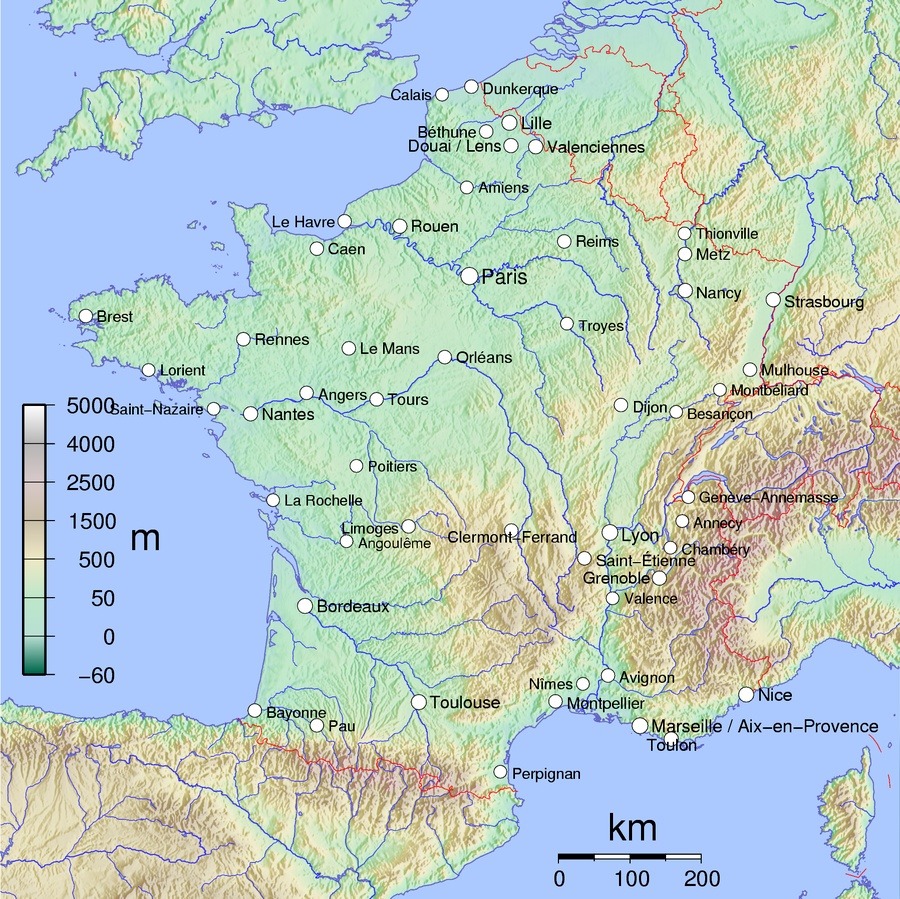
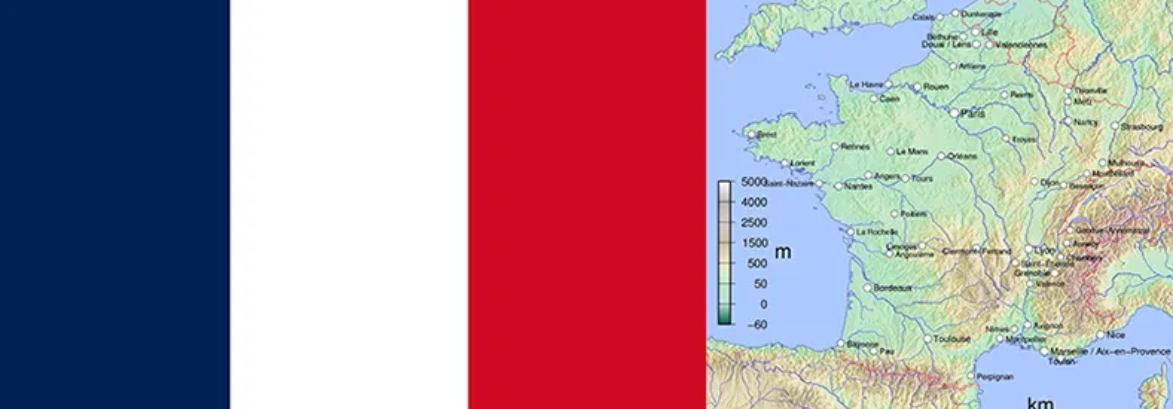
France entered World War II on 3rd September 1939, declaring war on Germany following its invasion of Poland. The early phase of the war, known as the “Phoney War,” saw limited military action until 10th May 1940, when Germany launched a rapid and forceful invasion of France. By 22nd June 1940, France had been defeated and subsequently divided into the German-occupied northern zone and the Vichy regime in the south, which collaborated with Nazi Germany.
Throughout the occupation, French resistance movements engaged in clandestine operations against German forces, contributing to the eventual liberation of France, which began with the D-Day landings on June 6, 1944, and culminated in the liberation of Paris on 25th August 1944.
Approximately 600,000 French citizens perished during the conflict, representing around 1.44% of the population at the time. This figure includes around 210,000 military personnel and 390,000 civilians. The civilian death toll encompasses approximately 77,000 French Jews who were deported and murdered during the Holocaust.
The war also left 390,000 military personnel wounded. Many families were separated and over 2 million French soldiers held as prisoners of war in Germany, leaving their spouses and children to endure hardships, including economic deprivation and food shortages. The occupation led to widespread malnutrition, and this scarcity affected urban populations, particularly women and children, leading to increased mortality rates and long-term health consequences.
Industrial output declined sharply, with national income in 1945 reduced to just over half of its 1929 level. The German occupation forces systematically exploited French resources, requisitioning approximately 20% of the nation’s food production and seizing raw materials and industrial outputs to fuel the German war effort. This exploitation led to significant shortages, rampant inflation, and the emergence of a pervasive black market.
The transportation infrastructure was heavily damaged, with numerous railways, bridges, and roads destroyed by bombings and sabotage, further crippling economic activities. The financial burden of occupation payments to Germany, set at 400 million francs per day, further strained the economy, leading to a substantial national debt and long-term fiscal challenges.
In the aftermath of World War II, France faced the monumental task of rebuilding its shattered economy and infrastructure. The nation implemented the Monnet Plan in 1946, focusing on modernising key industries and increasing production capacities. France also benefited from the Marshall Plan, receiving nearly $3 billion in aid from 1948 to 1952, which facilitated economic recovery and growth. Despite these efforts, the war’s demographic impact, including the loss of a significant portion of the working-age population, posed challenges to long-term economic stability and growth.
The legacy of World War II continues to influence French society profoundly. The experiences of occupation, resistance, and liberation are integral to national identity and collective memory. Annual commemorations, such as Victory in Europe Day on 8th May, serve as reminders of the sacrifices made during the war. The war also prompted significant societal changes, including the advancement of women’s rights, as women played crucial roles in both the resistance and the workforce during the absence of men.
The extensive loss of life and the trauma of occupation have left enduring marks on the national psyche, influencing France’s domestic policies and its approach to international relations, particularly regarding European integration and commitments to collective security.
The war’s profound human and economic toll has left an indelible imprint on France’s history, shaping its societal structures and policies in the decades that followed and continuing to influence its contemporary identity and values.
(Never Again – for Humanity)