World War II
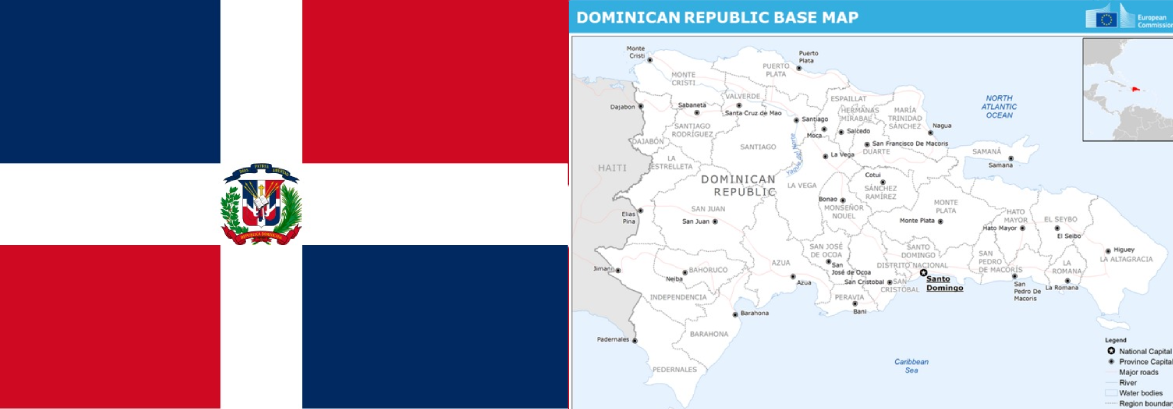
Dominican Republic
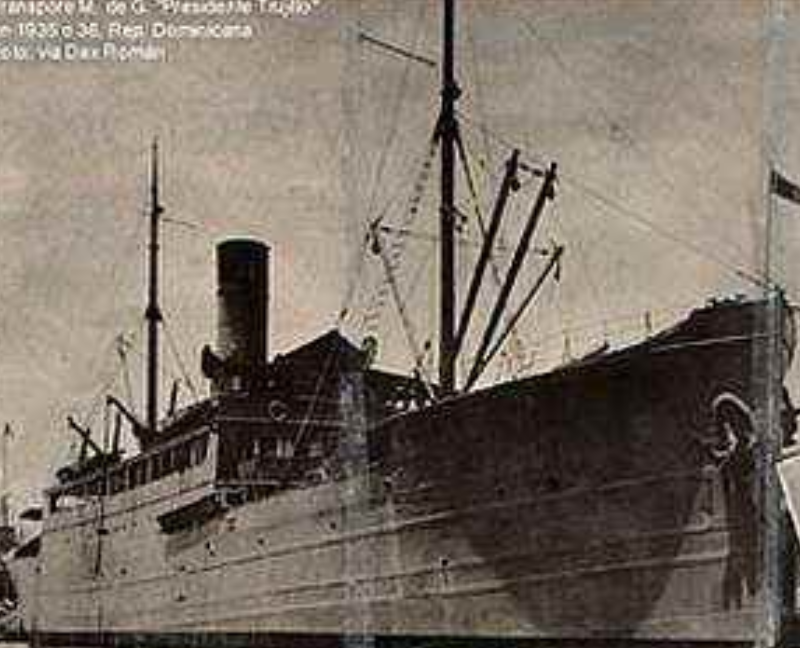
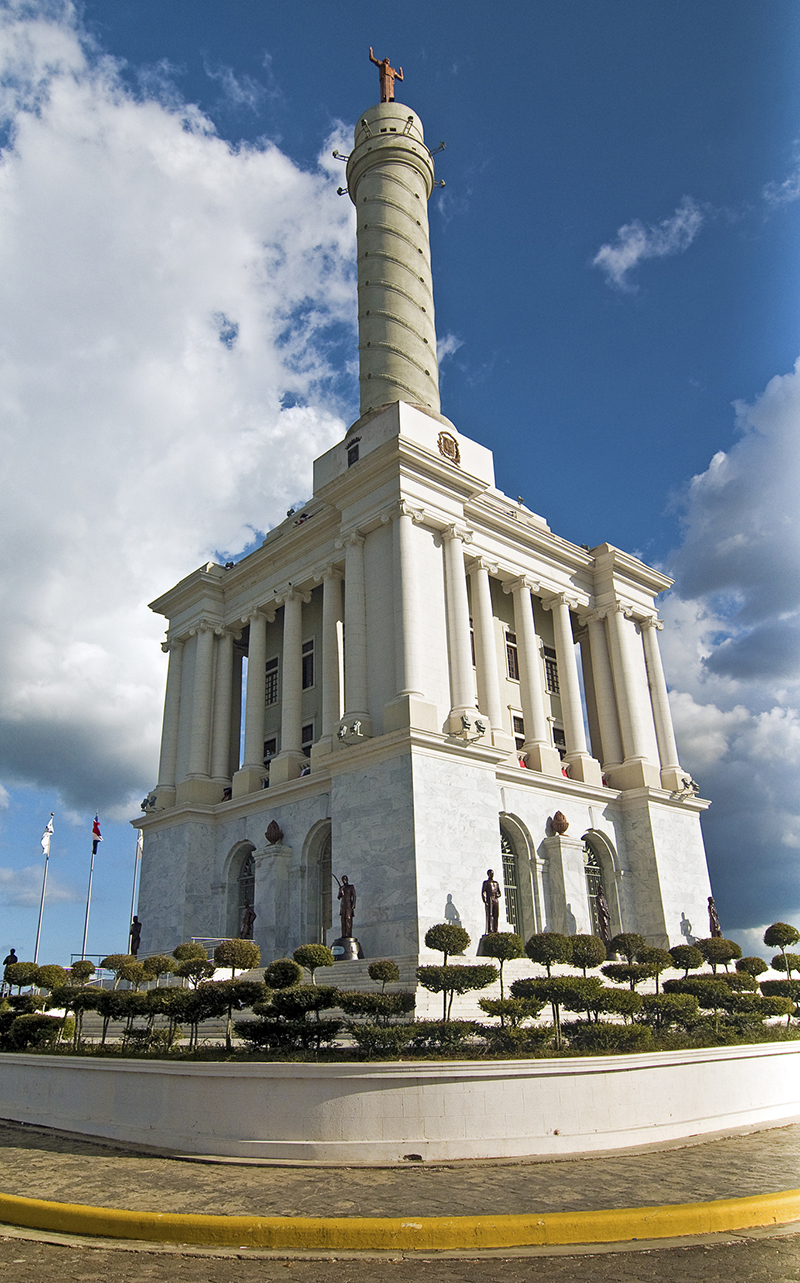
Following the attack on Pearl Harbor on 7th December 1941, the Dominican Republic declared war on Japan on 8th December 1941, and on Germany and Italy on 11th December 1941. This alignment with the Allied powers was largely symbolic, as the country did not deploy troops to the battlefronts. However, the Caribbean region, including the Dominican Republic, became strategically significant due to its maritime routes and proximity to the Panama Canal.
German U-boats targeted Allied shipping lanes in the Caribbean, leading to heightened naval activity and the establishment of defensive measures in the area. From January 1942 to July 1943, approximately 20% of all Allied shipping losses occurred in the Caribbean, underscoring the region’s strategic importance.
In 1938, during the Evian Conference, the Dominican Republic stood out as the only country willing to accept a substantial number of Jewish refugees fleeing the escalating persecution in Europe. The government offered to admit up to 100,000 Jewish refugees, leading to the establishment of a settlement in Sosúa. While the actual number of refugees who arrived was around 700, this initiative provided a critical haven for those escaping the Holocaust.
The Sosúa community thrived, with refugees contributing to local agriculture and economy, and their descendants remain an integral part of Dominican society today. The war period disrupted traditional trade routes, prompting the country to seek new markets and diversify its economy.
The increased demand for agricultural products and raw materials led to a boost in exports, particularly in sugar, tobacco, and minerals. This economic upturn contributed to infrastructure development and urbanisation, setting the stage for future growth.
After the war, the Dominican Republic experienced political and social transformations. However, the era was also marked by political repression under the Trujillo dictatorship, which lasted until 1961. The regime’s policies had profound effects on civil liberties and economic structures, the repercussions of which are still evident in contemporary Dominican society.
The Dominican Republic’s role during World War II showcased its commitment to humanitarian principles and its strategic importance in the Caribbean. The establishment of the Sosúa refugee settlement remains a testament to the country’s willingness to provide sanctuary in times of global crisis.
Today, the descendants of these refugees contribute to the nation’s cultural and economic fabric, reflecting a legacy of resilience and integration and leaving an enduring impact on the Dominican Republic’s societal development.
(Never Again – for Humanity)