World War II
Ecuador
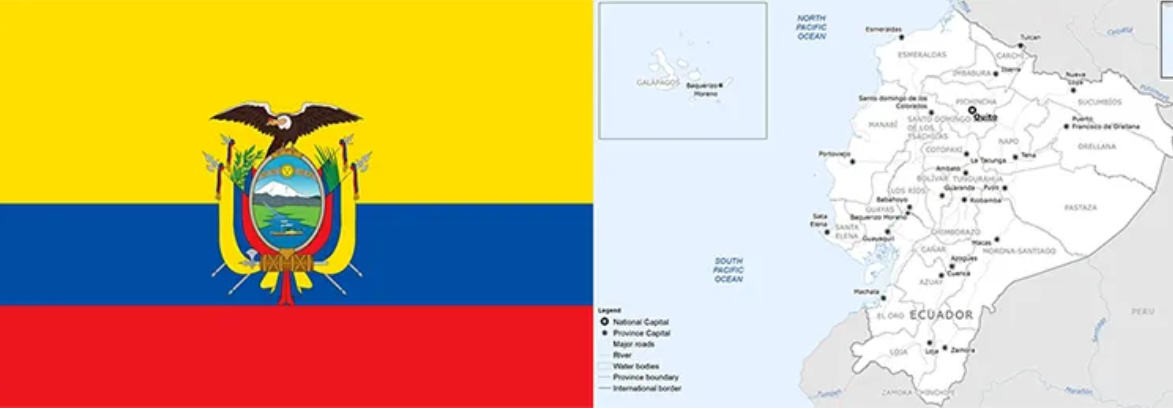
During World War II, Ecuador was still grappling with the aftermath of the Great Depression, which had severely impacted its economy. The nation aligned itself with the Allied powers, permitting the United States to establish military bases on its territory, notably on the Galápagos Islands. This alliance provided Ecuador with economic benefits, as the demand for raw materials surged due to the war effort, leading to increased export revenues.
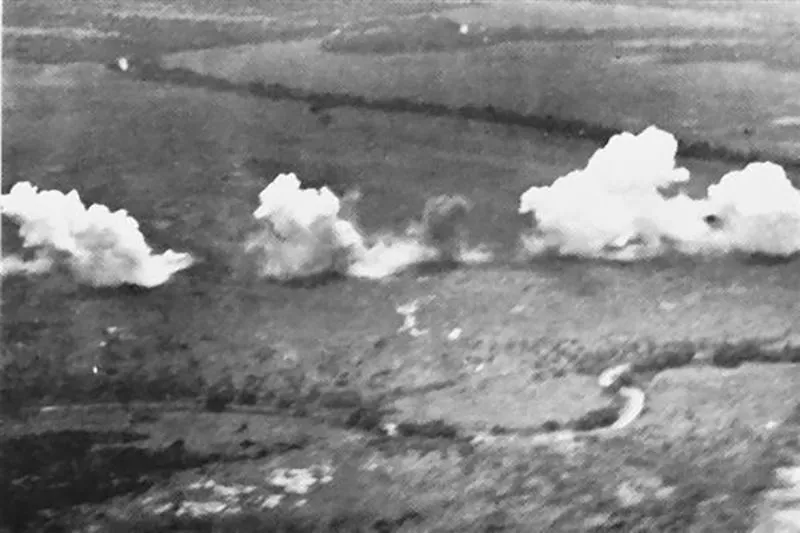
A pivotal event during this era was the Ecuadorian–Peruvian War, a border conflict that erupted between 5th July and 31st July 1941. The dispute centered on territorial claims in the Amazonian region. Peruvian forces launched an invasion, capturing significant portions of the contested area, including the province of El Oro. Ecuador’s military, inadequately equipped and trained, suffered considerable losses. Ecuador experienced approximately 3,000 casualties, consisting of both military personnel and civilians. The civilian population, particularly women and children, bore the brunt of the conflict’s repercussions.
The Peruvian occupation of El Oro led to widespread displacement, with numerous families forced to flee their homes. The disruption of local economies and destruction of infrastructure exacerbated the hardships faced by these communities. The psychological trauma and socioeconomic instability resulting from the conflict had long-lasting effects on the affected populations. The immediate costs included military expenditures and the loss of revenue from occupied territories.
In the years following the war, Ecuador faced challenges in rebuilding its infrastructure and restoring economic stability. The diversion of resources to address these issues impeded broader economic development initiatives. The conflict formally concluded with the signing of the Rio Protocol on 29th January 1942. This treaty, brokered by the United States, Brazil, Argentina, and Chile, mandated Ecuador to cede a significant portion of the disputed Amazonian territory to Peru. The loss amounted to approximately 200,000 square kilometers, representing a substantial reduction of Ecuador’s claimed land area.
In the post-war period, Ecuador’s political landscape was marked by instability. The perceived mishandling of the conflict and the unfavorable terms of the Rio Protocol led to widespread public discontent, culminating in the overthrow of the sitting president. The national psyche was deeply affected by the territorial losses, fueling a sense of injustice and a desire to revisit the border issue in subsequent decades.
The long-term impact of the 1941 conflict continues to resonate in Ecuadorian society. The territorial dispute with Peru remained a contentious issue, leading to intermittent skirmishes and diplomatic tensions throughout the 20th century. It wasn’t until the signing of the Brasilia Presidential Act in October 1998 that a definitive and peaceful resolution was achieved, normalising relations between the two nations. The challenges faced during this period underscore the complex interplay between global events and regional dynamics.
(Never Again – for Humanity)