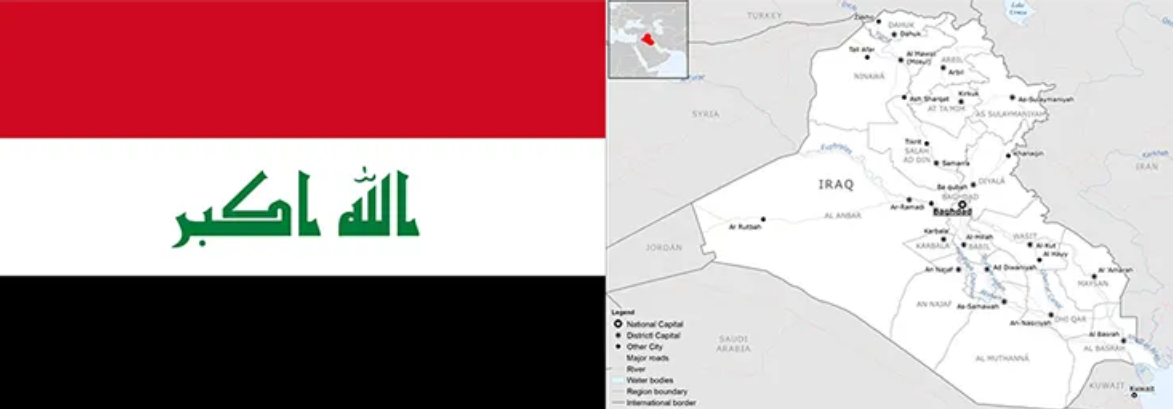
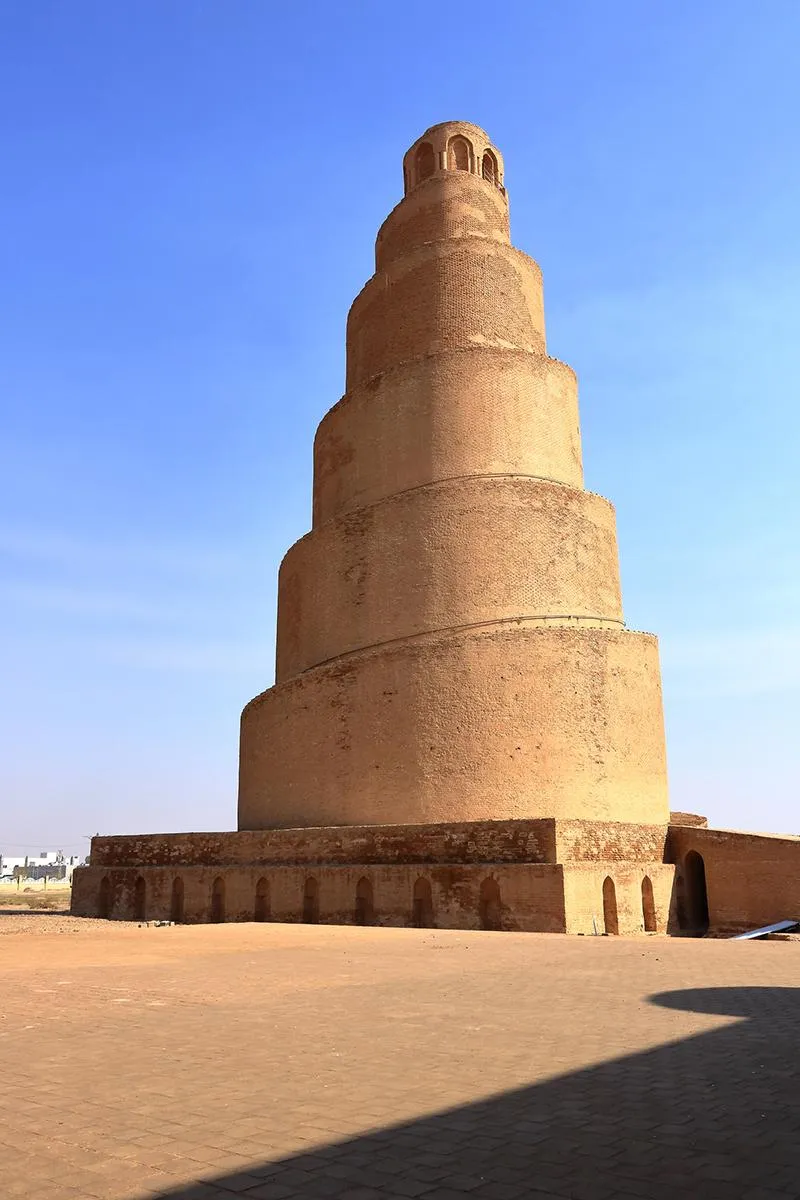
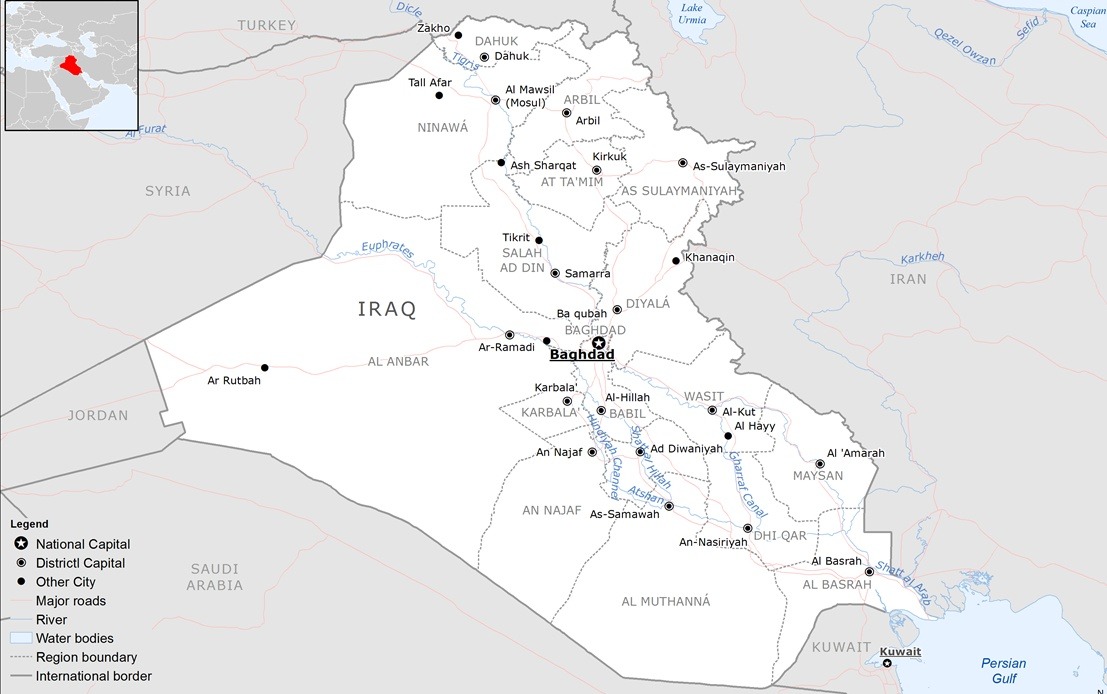
World War II had a significant impact on Iraq, both strategically and socially. The nation’s involvement was marked by internal political upheavals, foreign military engagements, and profound civilian suffering.
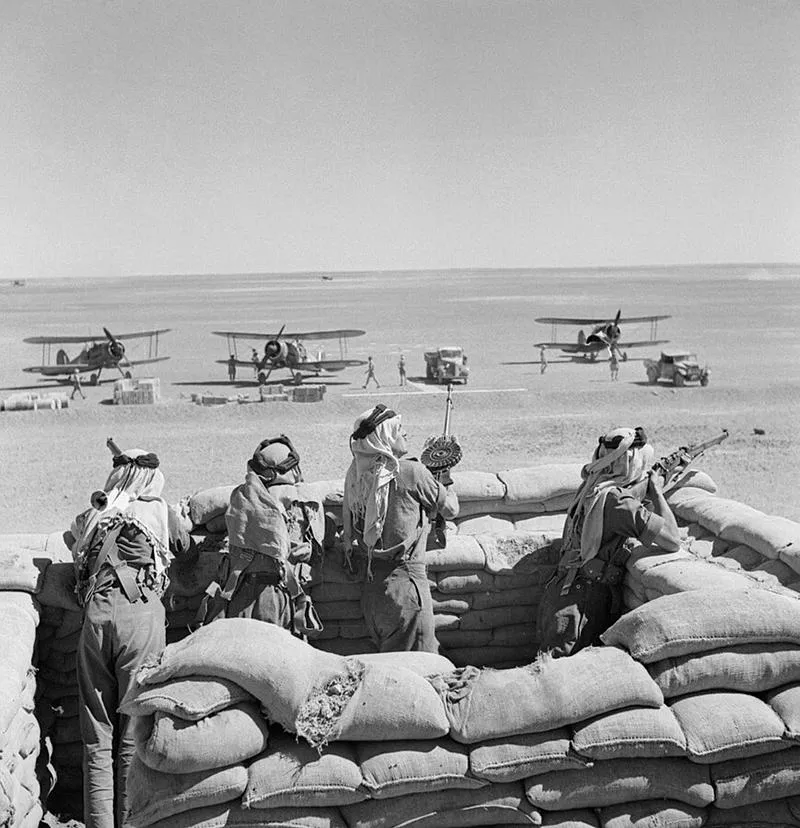
In April 1941, a nationalist coup seized power, aiming to align Iraq with the Axis powers. This move prompted a British military response to protect vital oil supplies and maintain influence in the region. The ensuing conflict, known as the Anglo-Iraqi War, lasted from 2nd May to 31st May 1941. The British forces, supported by Commonwealth nations, swiftly defeated the Iraqi military, resulting in the restoration of the pro-British regent, ‘Abd al-Ilah.
The war caused at least 560 Iraqi military casualties. Beyond military engagements, civilians endured significant hardships during the war. The conflict disrupted daily life, leading to food shortages, economic instability, and displacement. While specific statistics on civilian casualties are limited, the overall toll on the Iraqi populace was considerable.
The aftermath of World War II left Iraq with a weakened economy and a populace burdened by the scars of conflict. The war’s financial costs strained national resources, impeding post-war reconstruction and development. Socially, the conflict fostered a climate of political unrest, contributing to the eventual rise of nationalist movements and setting the stage for future upheavals in the region.
Iraq’s involvement in World War II was a pivotal chapter that reshaped its political landscape, economy, and societal fabric. The events of the war and its aftermath continue to influence the nation’s trajectory, offering insights into the complex interplay between global conflicts and regional developments.
(Never Again – for Humanity)