World War II
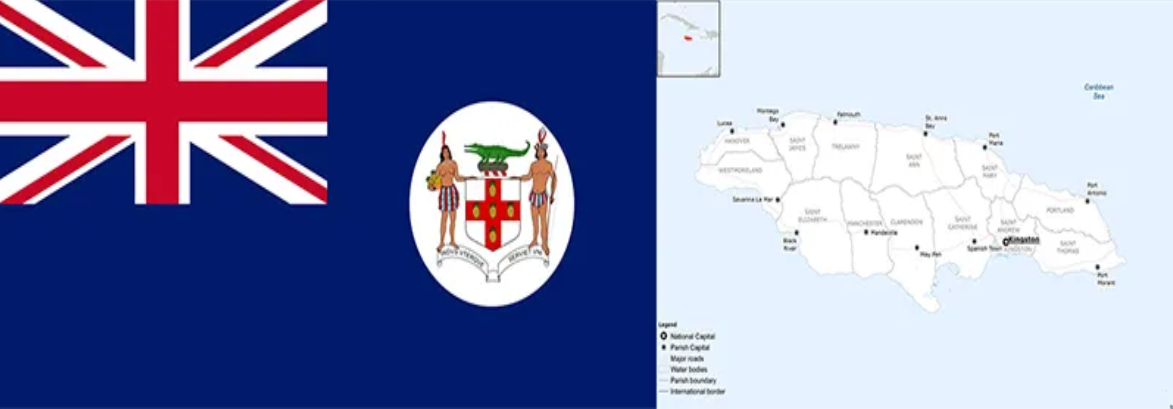
Jamaica
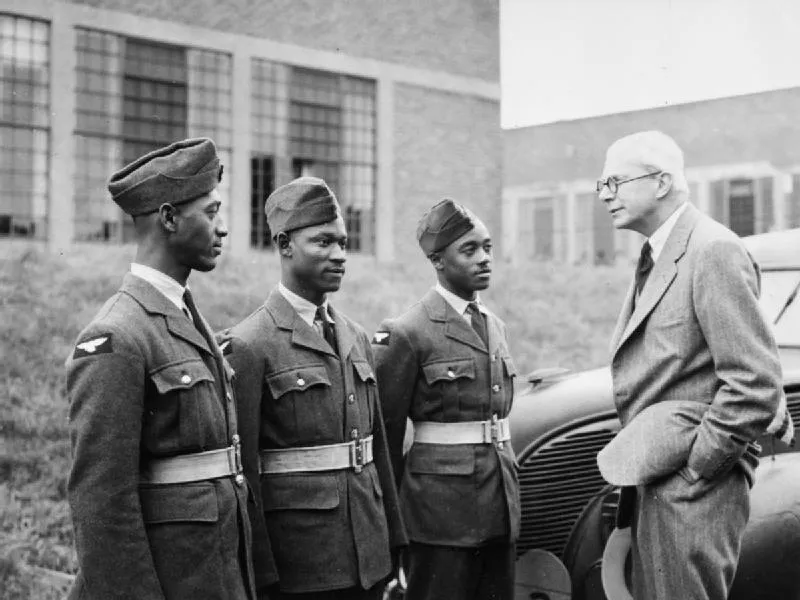
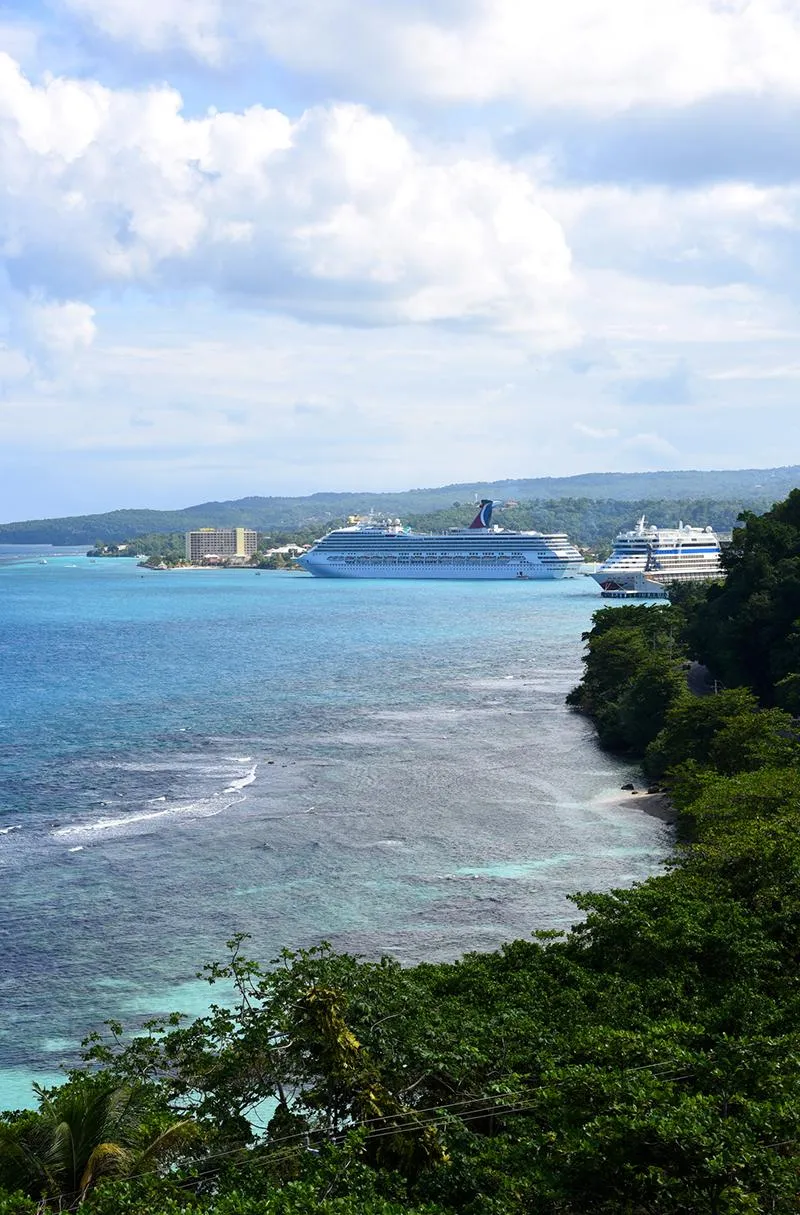
Jamaica, a British colony during World War II, played a significant yet often overlooked role in the global conflict, contributing manpower, resources, and economic support to the Allied war effort. From 1939 to 1945, thousands of Jamaicans enlisted in the British armed forces, with estimates suggesting that over 10,000 men served in various capacities, including the Royal Air Force, the British Army, and the Merchant Navy, while many others took on vital roles in war industries or worked in agriculture to support food production.
Civilians, including women and children, were deeply affected by the war, facing economic hardships, food rationing, and social upheavals, as wartime demands led to inflation and shortages of essential goods, exacerbating existing inequalities.
Women took on greater responsibilities in the workforce, filling roles left vacant by men who had gone to war, working in factories, and participating in agricultural production, while some joined auxiliary military services to support the war effort. Although Jamaica itself was not a direct battlefield, the war had a profound impact on the island, with U-boat attacks in the Caribbean disrupting trade and leading to occasional losses of Jamaican seamen.
The economic cost of the war was substantial, as Jamaica’s economy, heavily reliant on sugar and banana exports, suffered due to global instability and disrupted trade routes, leading to increased unemployment and poverty, which in turn fueled political unrest and demands for greater self-governance.
The psychological and social costs were also significant, as returning veterans struggled to reintegrate into society. Many faced limited job opportunities and inadequate support, leading to growing frustration and contributing to the rise of nationalist movements that would later push for independence. Estimates suggest that hundreds of Jamaican soldiers lost their lives during the war, though exact numbers remain unclear, and many more suffered lifelong disabilities or trauma as a result of their service.
World War II’s end in 1945 marked a turning point for Jamaica, as the experiences of those who had fought and worked in wartime industries fueled calls for social and political change, culminating in the gradual movement toward independence, achieved in 1962.
In the decades following the war, the economic struggles caused by wartime disruptions contributed to ongoing migration patterns, with many Jamaicans seeking better opportunities abroad, particularly in Britain, in what became known as the Windrush Generation.
Today, the legacy of World War II in Jamaica is evident in the continued recognition of veterans’ contributions, the impact of wartime social changes on gender roles, and the lasting economic challenges rooted in colonial wartime policies, while the broader effects of the war influenced Jamaica’s path toward sovereignty, shaping its modern political landscape and national identity.
(Never Again – for Humanity)