World War II
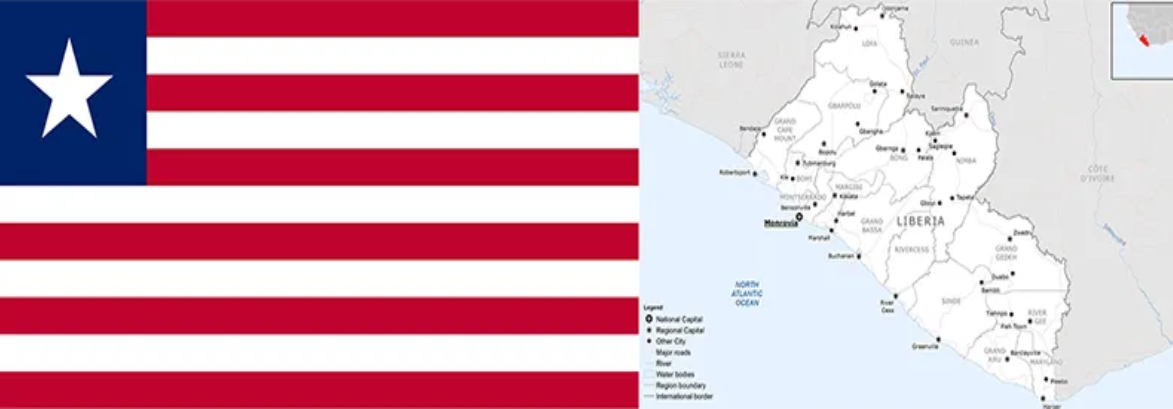
Liberia

During World War II, Liberia played a strategic role by aligning with the Allies and providing resources and support. In 1942, Liberia signed a Defense Pact with the United States, granting the U.S. permission to establish military bases within its territory. This agreement led to the construction of Roberts Field (now known as Roberts International Airport) and other infrastructure projects, which were crucial for the Allies’ operations in West Africa. These developments not only enhanced the Allied war effort but also contributed to Liberia’s infrastructure growth.
While Liberia did not engage in active combat, the war had indirect effects on its civilian population, including women and children. The presence of foreign troops and the rapid infrastructural developments brought both opportunities and challenges.
Economically, the war period saw increased demand for Liberia’s natural resources, such as rubber, leading to economic growth. However, this also resulted in labor exploitation and social disruptions. These underlying issues contributed to the outbreak of civil wars in the late 20th century, which had severe consequences for the civilian population, especially women and children.
The First Liberian Civil War, which took place from 1989 to 1997, resulted in over 150,000 deaths and displaced approximately 80% of the population. The subsequent Second Liberian Civil War, which took place from 1999 to 2003, led to further atrocities, with an estimated 250,000 people killed and many more displaced. Women and children were particularly vulnerable, suffering from widespread violence, including sexual violence.
The economic impact of these civil wars was devastating, with Liberia’s economy shrinking by 90%. These long-term effects are still evident today, as the country continues to rebuild its infrastructure and institutions. While Liberia’s direct involvement in World War II was limited, the war period contributed to infrastructural and economic developments. However, the subsequent internal conflicts had a profound and lasting impact on the nation, particularly on its civilian population, women, and children.
The repercussions of these conflicts continue to influence Liberia’s society and development efforts today.
(Never Again – for Humanity)