World War II
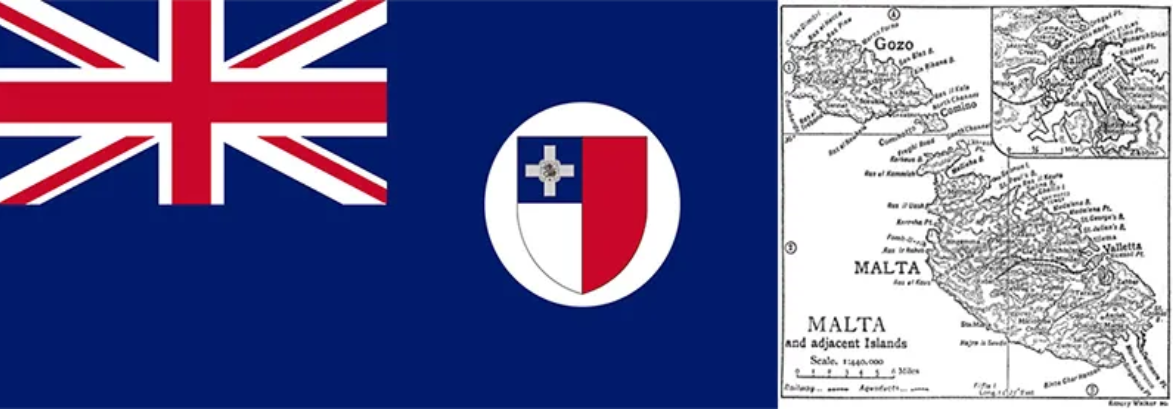
Malta
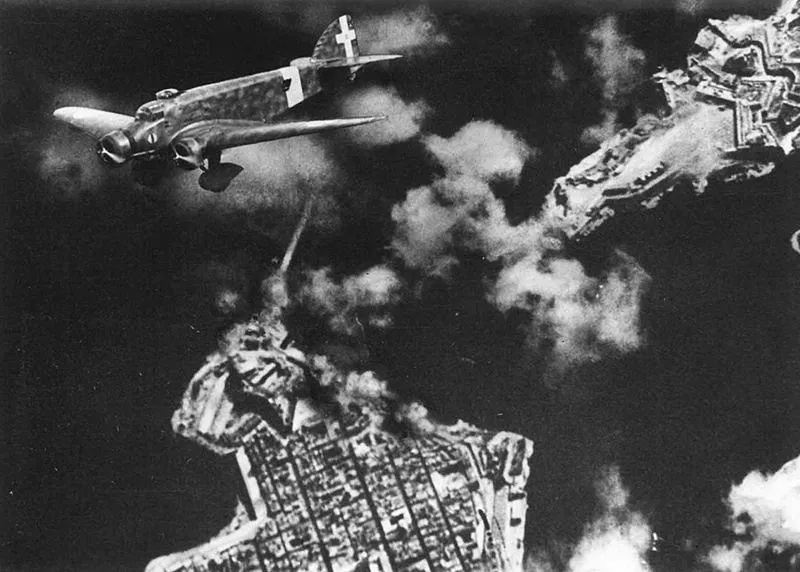
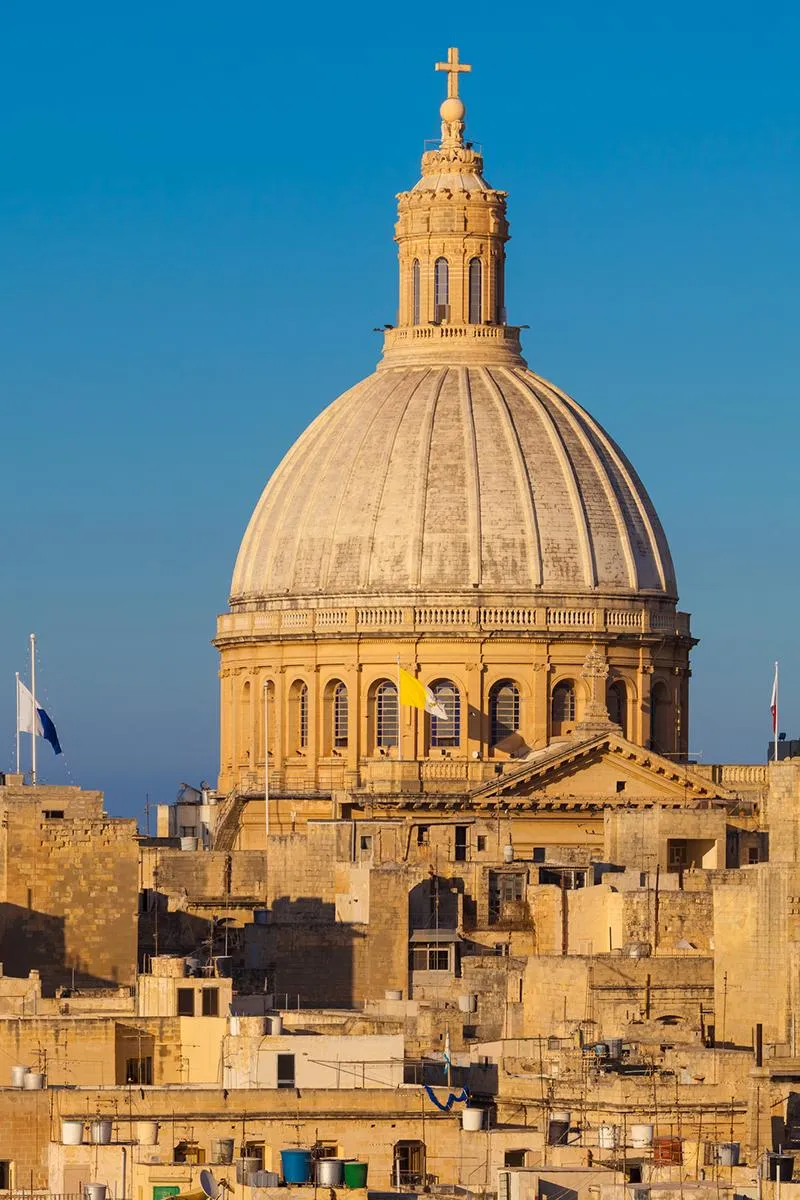
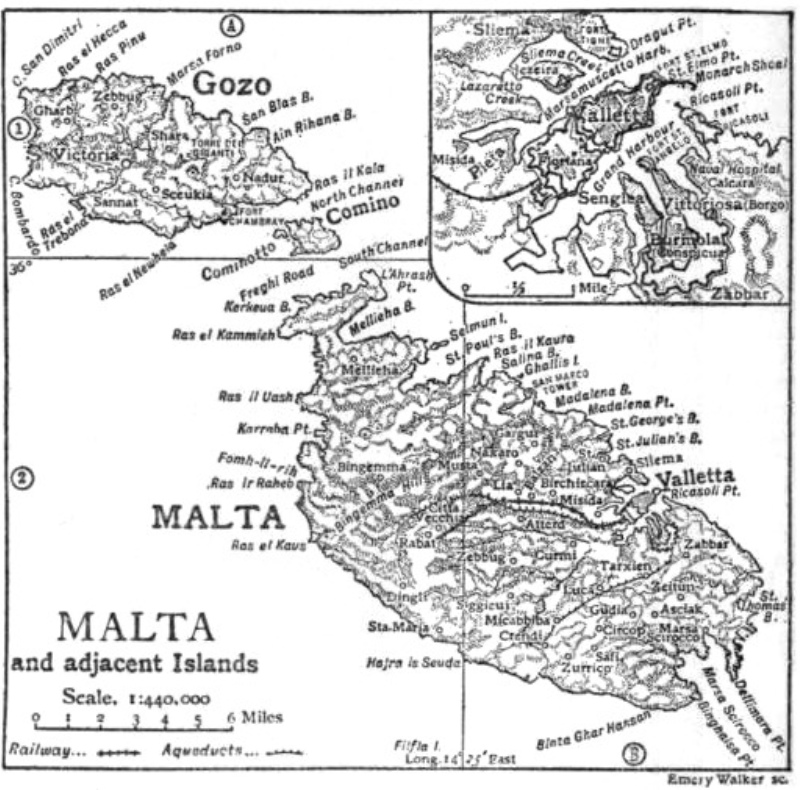
Malta played a pivotal role in World War II due to its strategic position in the Mediterranean Sea, making it a vital base for the Allies. The island was heavily contested by both Axis and Allied forces, with Malta enduring intense bombardment and siege from Axis air forces and submarines throughout the war. From 1940 to 1942, Malta became one of the most heavily bombed places on Earth, with thousands of raids by the Italian and German Luftwaffe.
The civilian population, which was already living under the constant threat of aerial bombardment, bore the brunt of these attacks, and it is estimated that around 1,500 Maltese civilians were killed, with many more injured, while tens of thousands were displaced.
Women and children were particularly vulnerable, as entire families were killed or injured in bombings, and the disruption to everyday life caused severe emotional and psychological trauma. The Maltese people, most of whom were non-combatants, were forced to live in underground shelters for protection, as the relentless airstrikes targeted not just military installations but also civilian areas. The number of casualties was compounded by the destruction of homes, infrastructure, and key resources, leaving the island in a state of devastation.
The economic impact on Malta was immense, as its agricultural and industrial output was disrupted, with widespread shortages of food, water, and medical supplies. The war also caused significant damage to the island’s ports, which were key to its strategic importance. Over 7,000 soldiers, both from Malta and the Allied forces, participated in the defense of the island, and while many soldiers fought valiantly, the loss of life was high, particularly among the military personnel stationed on the island.
Malta’s resilience throughout the siege was remarkable, as it played a critical role in the Allied supply lines, particularly for the British forces fighting in North Africa. However, the cost of this resistance was high, with the island’s population suffering immense hardship, deprivation, and psychological trauma.
When the war finally ended in 1945, Malta was left physically and economically scarred. It took years for the island to recover from the effects of the war, and the rebuilding process was slow due to the widespread destruction of infrastructure and the exhaustion of its people. The war also left a lasting impact on the social fabric of the nation, with many families affected by the loss of life and the enduring trauma of the bombings.
The post-war economic recovery was largely dependent on the development of tourism and the military presence of the British, as Malta continued to play an important role in Mediterranean geopolitics. In 1947, Malta was granted self-government, and in 1964, it gained full independence.
Today, the legacy of World War II remains part of Malta’s national identity, with the island’s resilience and the sacrifices made by its people during the war still commemorated. The wartime destruction, though eventually rebuilt, left deep emotional scars, and the trauma experienced by women, children, and civilians continues to be remembered in the collective consciousness of the Maltese people. The impact of the war also set the stage for Malta’s eventual independence and its transformation into a modern European nation.
(Never Again – for Humanity)