World War II
Philippines
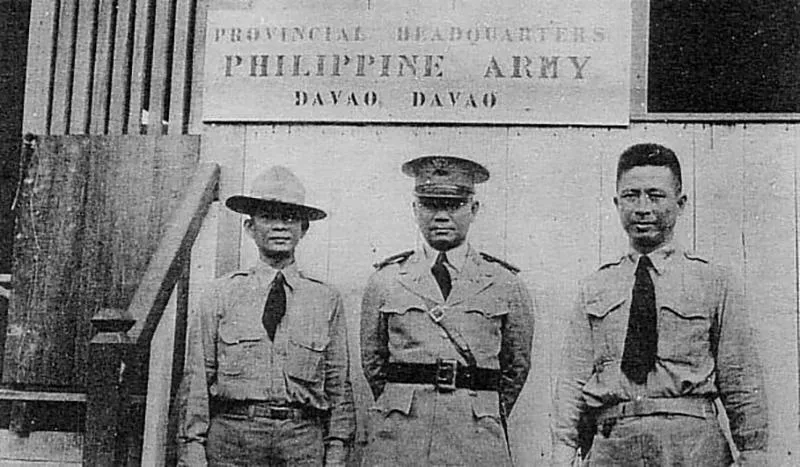


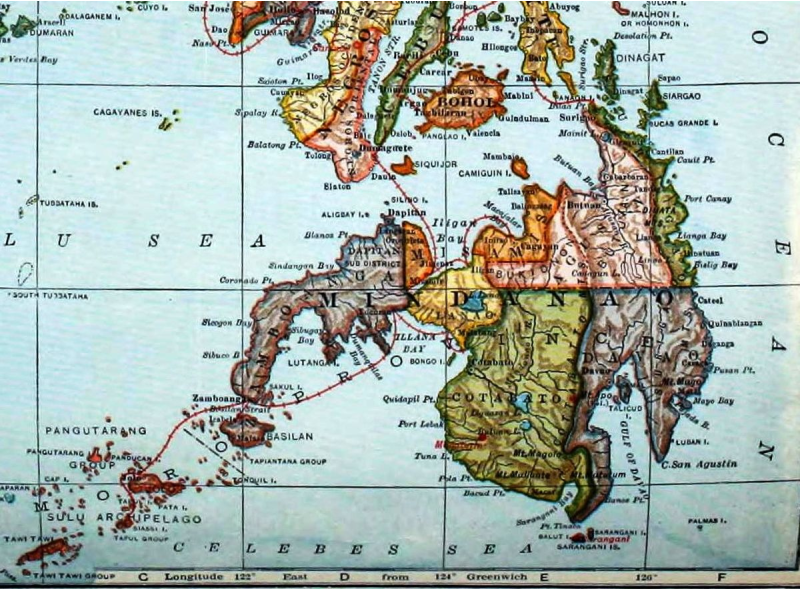
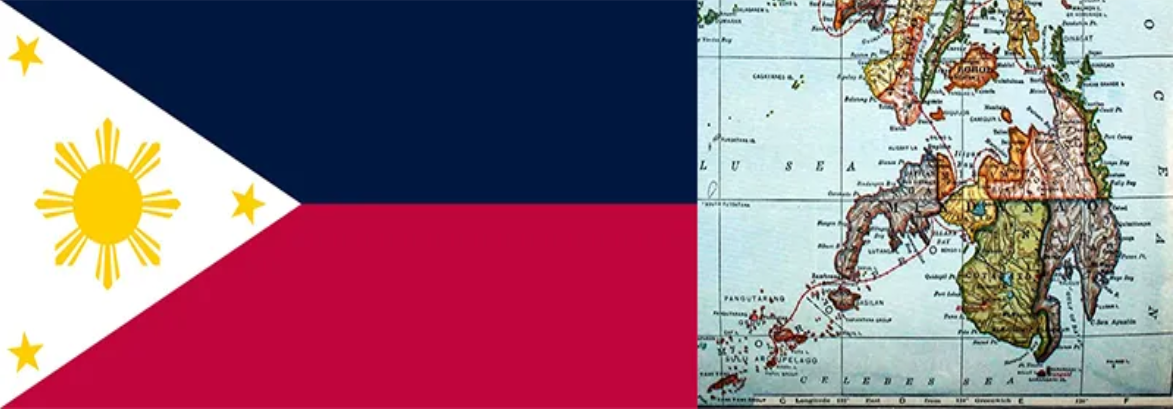
The Philippines played a significant and tragic role in World War II, beginning with the Japanese invasion on 8th December 1941, just hours after the attack on Pearl Harbor. The Philippines, which was then an American colony, became a major theater of war in the Pacific, and the ensuing conflict had devastating consequences for its people.
The Japanese forces swiftly occupied large portions of the country, including Manila, and by 1942, they controlled much of the archipelago. The civilian population endured horrific hardships, with widespread suffering due to bombings, massacres, and forced labor. It is estimated that between 500,000 and 1 million Filipinos, mostly civilians, were killed during the war, with many casualties occurring after the Japanese occupation.
Women and children were especially vulnerable, suffering from violence, displacement, and severe conditions of deprivation. Many women were subjected to sexual slavery in the form of “comfort women,” while children faced starvation and diseases in overcrowded, unsanitary conditions.
The war also saw brutal massacres, such as the Manila massacre of 1945, where tens of thousands of civilians were killed by Japanese forces during their retreat. In addition to the civilian toll, over 100,000 soldiers were involved in the defense of the Philippines, including Americans. Despite fierce resistance by local and American forces, including the defense of Bataan and the Battle of Corregidor, the Philippines fell under Japanese occupation.
The cost of the war to the economy was enormous, as infrastructure was destroyed, agricultural production was severely impacted, and many towns and cities were leveled by bombings and ground combat. The agricultural sector was particularly hard-hit, as much of the country’s crops were destroyed, leading to widespread famine and economic collapse.
After the Japanese occupation ended in 1945, the Philippines faced an uphill struggle for recovery. The war left the country in ruins, with major cities, roads, and factories destroyed, and the population dealing with the psychological and physical trauma of occupation.
The United States, having regained control of the Philippines after the Japanese surrender, helped rebuild the country but also imposed a political and economic system that influenced the post-war years. The war’s impact on the social fabric of the Philippines was profound, with many families losing loved ones and countless others suffering from the long-lasting effects of the violence, displacement, and poverty.
In the years following the war, the Philippines struggled to rebuild its economy, but it was not until the 1950s that some semblance of recovery was achieved, although the scars of the conflict remained.
The war’s legacy is still present in the country today, as the trauma of the occupation, the loss of life, and the deep scars left on the society continue to shape the nation’s history and identity.
Additionally, the war created a complex political situation, as the Philippines gained independence in 1946 but continued to grapple with the effects of its colonial past and the immense challenges of reconstruction.
The post-war generation grew up with the memories of the devastation, and the collective memory of the war remains an essential part of Filipino national consciousness, influencing the country’s political and social dynamics in the years since.
The impact of World War II on the Philippines is felt not only in the loss of life and property but also in the enduring effects on its people, who continue to remember and honor the sacrifices made during the war, particularly among the survivors, their families, and the generations that followed.
(Never Again – for Humanity)