World War II
South Africa
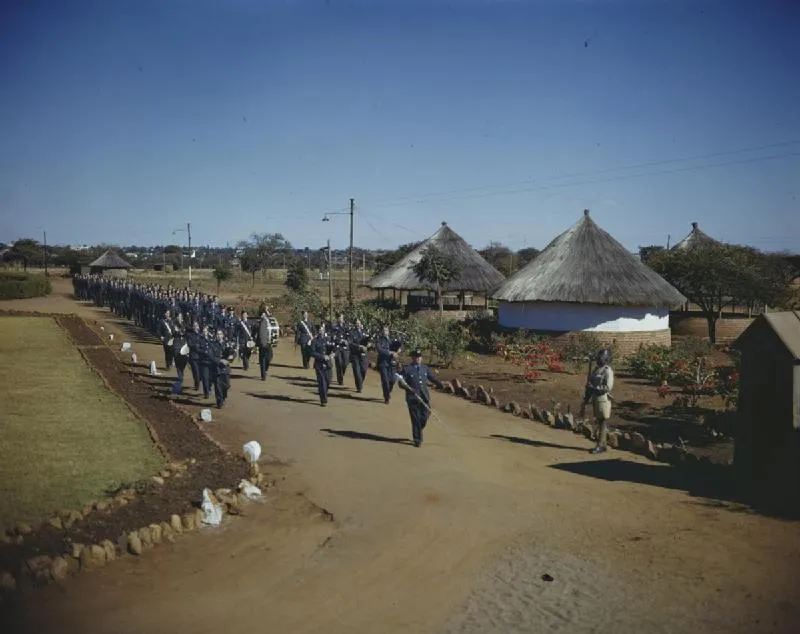
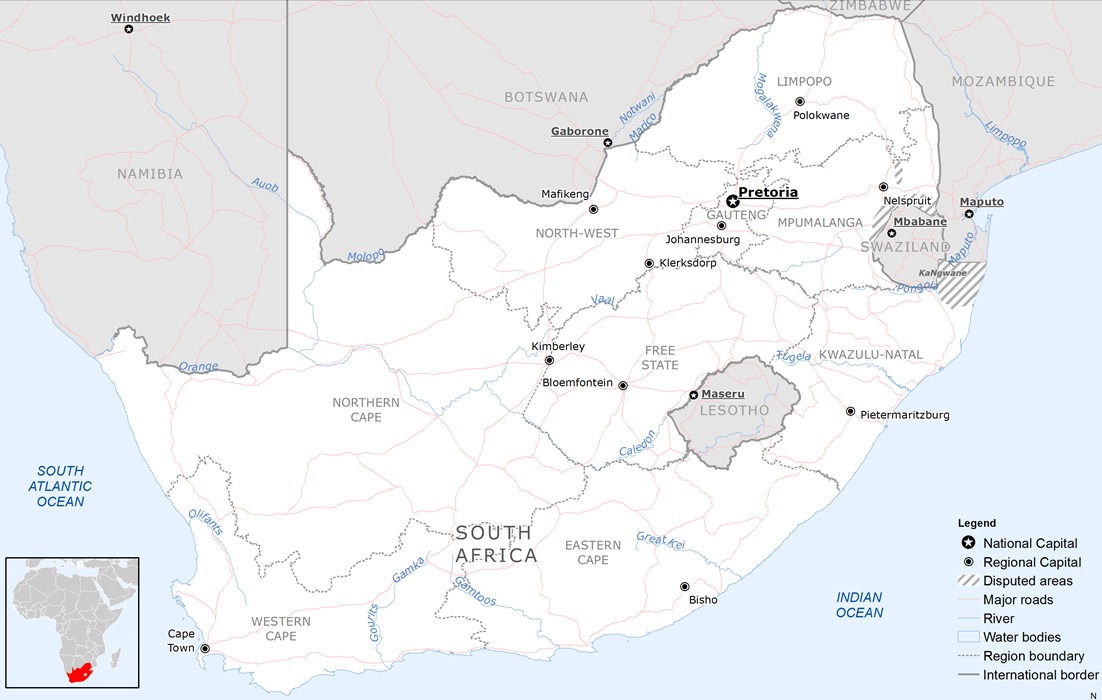
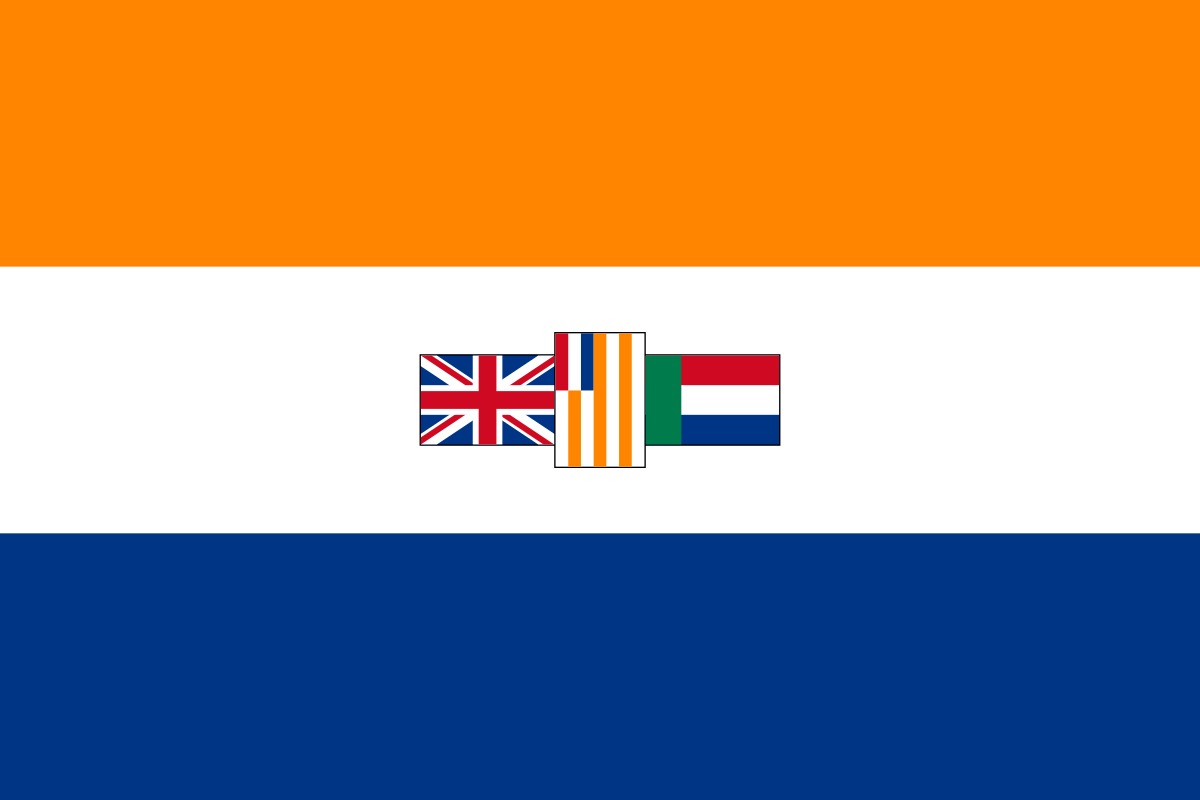
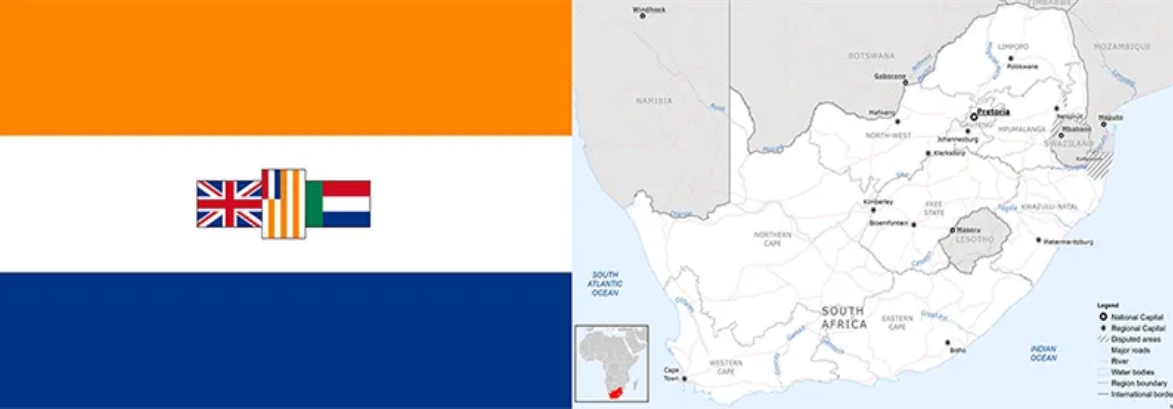
During World War II, South Africa played a crucial role as a member of the British Commonwealth, officially entering the war on 6th September 1939, and contributing significantly in terms of manpower, resources, and strategic positioning, with approximately 334,000 South Africans of all races serving in the military, including 211,000 deployed outside the country, fighting in major campaigns in North Africa, Ethiopia, Madagascar, and Italy, where they played a key role in the battles of El Alamein and Monte Cassino, while at home, the country served as a vital industrial and logistical hub, supplying raw materials such as gold, coal, and steel to the Allied war effort and providing key naval bases for the protection of shipping routes around the Cape of Good Hope, which was crucial for maintaining supply lines between Europe, the Middle East, and Asia.
South Africa’s economy saw rapid industrialisation due to increased wartime production, which created jobs but also led to social tensions as black and non-white workers were subjected to discriminatory labor policies and poor wages, while white workers benefited from expanded employment opportunities and government support, further entrenching racial segregation, and although there were no direct attacks on South African soil, the war indirectly caused hardships through rationing, inflation, and labor strikes, with women taking on a more prominent role in the workforce as men left for military service, leading to a shift in traditional gender roles that persisted after the war, even as returning soldiers sought to reclaim their jobs, leading to widespread unemployment and economic instability.
The total number of South African casualties during the war included 11,900 military personnel, while thousands more were wounded or captured as prisoners of war, particularly during the North African campaigns.
The war also had a profound political impact on South Africa, as it deepened divisions between those who supported continued ties with Britain and those who favored a more independent, nationalist approach, with tensions escalating after the war, ultimately leading to the rise of policies that formally established apartheid in 1948, a system that would shape the country’s history for decades by institutionalising racial segregation and further marginalising the black majority, many of whom had contributed to the war effort but found themselves denied rights and economic opportunities upon their return.
Economically, South Africa emerged from the war with a more diversified industrial base, having expanded its manufacturing and mining sectors, but the benefits were not evenly distributed, with wealth concentrated among the white population while non-white communities remained impoverished, leading to growing resistance and political activism in the decades that followed, culminating in the anti-apartheid movement that gained international attention in the second half of the 20th century.
The end of the war in 1945 marked the beginning of a new political era, with South Africa joining the United Nations but refusing to sign key declarations on racial equality, setting the stage for its increasing isolation in global affairs as apartheid policies intensified, and while the contributions of South African soldiers, including black and mixed-race troops who served in non-combat roles, were significant to the Allied victory, their sacrifices were largely overlooked by the post-war government, which prioritised the interests of the white ruling class, further fueling racial tensions that persisted for decades.
Today, the legacy of World War II in South Africa is reflected in its military history, economic development, and long-term social changes, as the war accelerated industrialisation, reshaped gender roles, and indirectly contributed to the rise of apartheid, which in turn led to the resistance movements that ultimately resulted in the country’s transition to democracy in 1994, and while South Africa now acknowledges its complex wartime history, including the sacrifices made by soldiers of all backgrounds, the inequalities and divisions exacerbated by the war continue to influence contemporary society, with ongoing debates about historical recognition, economic disparity, and the role of military veterans in shaping the nation’s post-apartheid identity.
(Never Again – for Humanity)