World War II
Zimbabwe
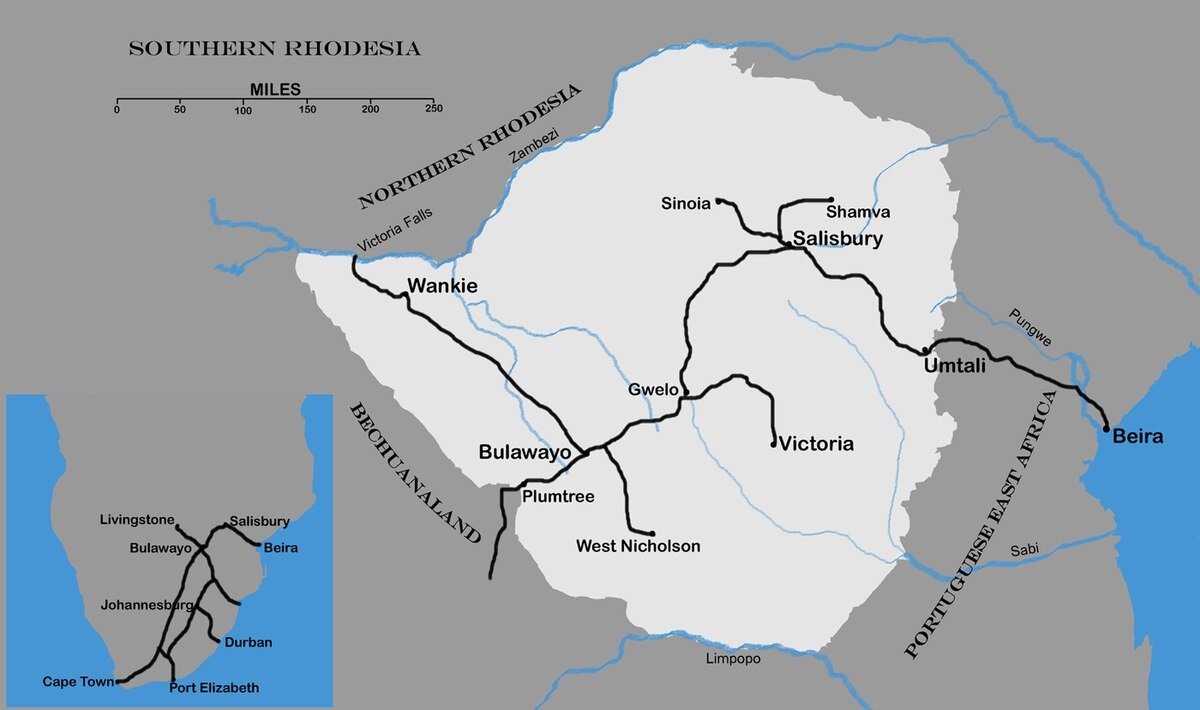
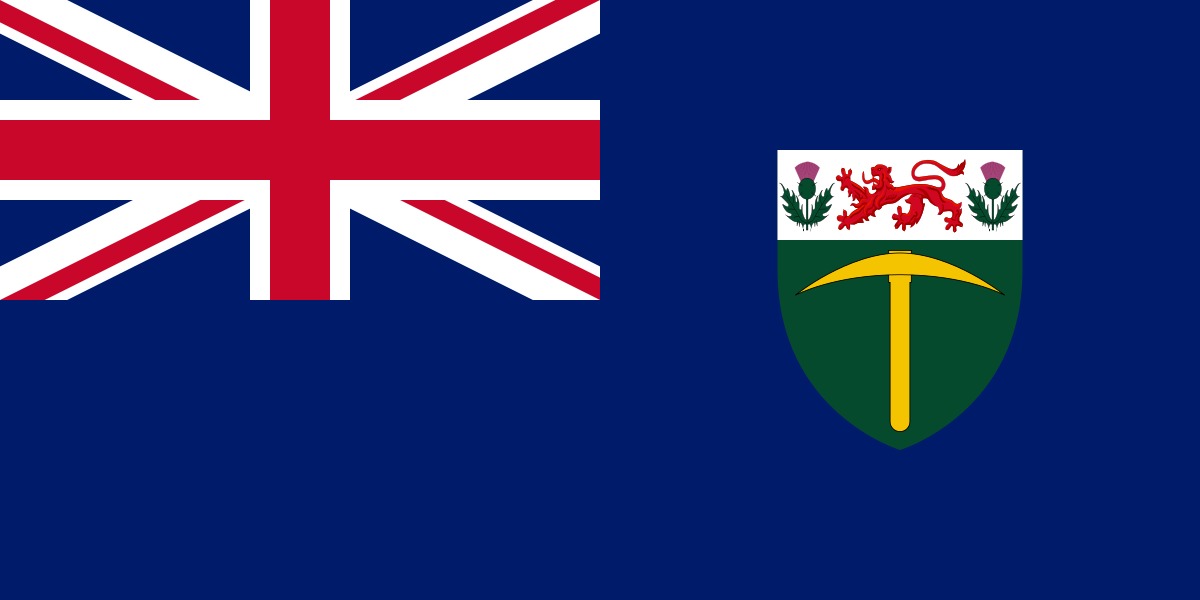
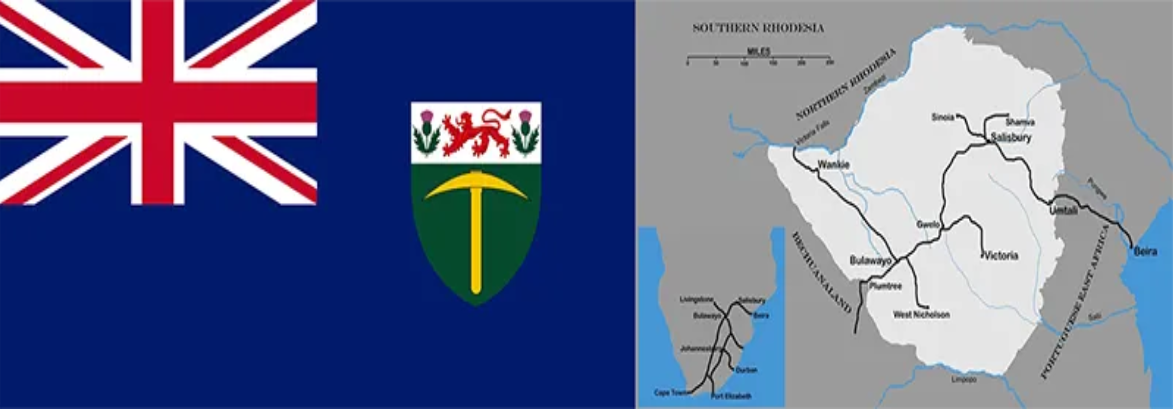
During World War II, Zimbabwe, which was known at the time as Southern Rhodesia, a self-governing British colony, played a disproportionately large role in the war effort despite its small population, officially joining the conflict alongside Britain on 3rd September 1939, and providing extensive military manpower, raw materials, and strategic training facilities for the Allied forces, with approximately 26,000 Rhodesians serving in various capacities, including around 8,500 white servicemen and thousands of black soldiers who were primarily assigned to logistical and support roles in the British and African colonial forces, while the colony’s economy was transformed by wartime production, with industries expanding to meet the demands for minerals such as chrome, asbestos, and gold, which were essential for munitions, construction, and the global war effort.
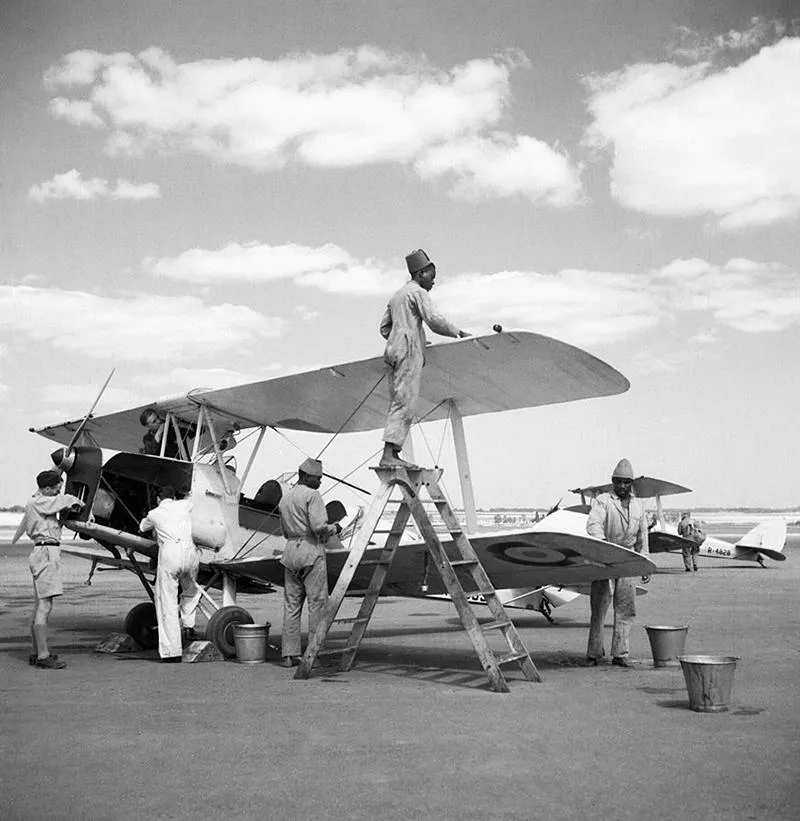
The Royal Air Force established multiple training bases in Zimbabwe (Southern Rhodesia) as part of the Empire Air Training Scheme, making the colony a crucial center for pilot instruction, where thousands of airmen from across the British Empire were trained before being deployed to Europe, North Africa, and the Pacific, while within the colony, civilians faced economic hardships due to inflation, food shortages, and rationing, which disproportionately affected black communities, who had fewer economic opportunities and were subjected to strict colonial labor policies, leading to unrest and increased dissatisfaction with the racial inequalities that were exacerbated by wartime conditions.
Women played a significant role in supporting the war effort, both as workers in essential industries and as members of volunteer organisations providing aid to soldiers and displaced civilians, and though many expected greater recognition and rights after the war, racial and gender-based discrimination persisted, limiting opportunities for black veterans and working-class white women who had taken on new roles during the conflict, while white ex-servicemen benefited from government resettlement programs that provided land and financial assistance, further entrenching economic disparities.
The total number of Zimbabwean (Rhodesian) casualties during the war included 916 military personnel, with several thousand more wounded or taken as prisoners of war, particularly in the North African and Italian campaigns, while the psychological toll on veterans and their families was significant, with many struggling to reintegrate into civilian life, especially those who had fought in brutal battles far from home.
The war had a lasting impact on its political and social landscape, as returning black soldiers, who had been exposed to less discriminatory environments while serving abroad, began to demand greater rights and freedoms, fueling early nationalist movements that would later challenge the colonial government’s policies and contribute to the eventual struggle for independence.
Economically, Zimbabwe (Southern Rhodesia) emerged from the war with a strengthened industrial sector, increased infrastructure, and a more modernised economy, but these benefits were not evenly distributed, as the colonial administration continued to favor the white minority while maintaining restrictive policies on land ownership, wages, and political representation for the black majority, leading to growing tensions that would eventually erupt into political conflict in the following decades.
After the war ended in 1945, the colony sought to capitalize on its contributions to the war effort by pushing for greater autonomy within the British Empire, eventually achieving a new constitution in 1961 that provided limited self-rule but failed to address the fundamental inequalities that had been reinforced by colonial rule, while black nationalist movements gained momentum, influenced in part by the frustrations of black war veterans who had fought for a democracy they were denied at home.
The legacy of World War II in Zimbabwe (Southern Rhodesia) remains evident in its historical military pride, the continued commemoration of its contributions to the Allied victory, and the long-term political shifts that stemmed from the war, as the experiences of black soldiers abroad helped ignite demands for civil rights and political representation, ultimately playing a role in the liberation movements that led to the country’s transition to Zimbabwe in 1980, and while the war provided temporary economic growth and technological advancement; it also deepened racial divides, delayed meaningful political reform, and contributed to the eventual conflict and instability that shaped the region’s post-colonial history, leaving a complex and lasting impact that continues to influence discussions on military service, racial justice, and economic inequality in the country today.
(Never Again – for Humanity)