World War II
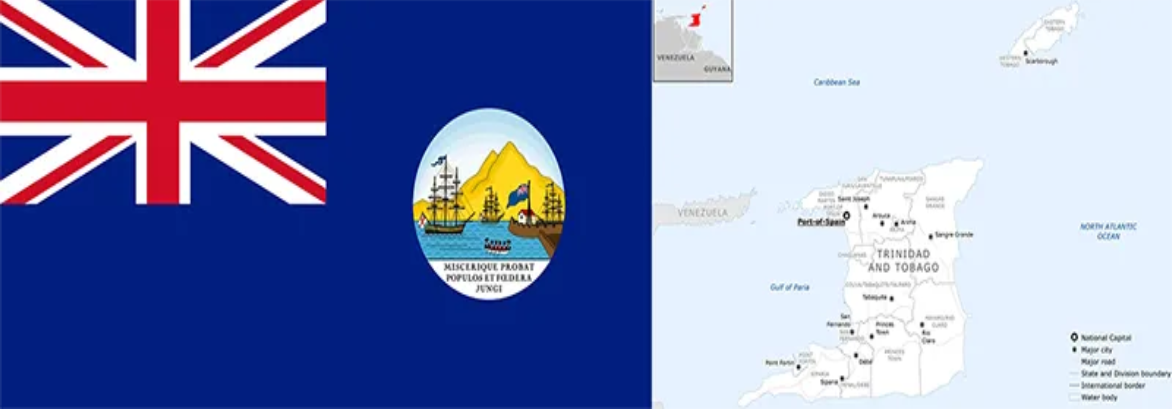
Trinidad and Tobago

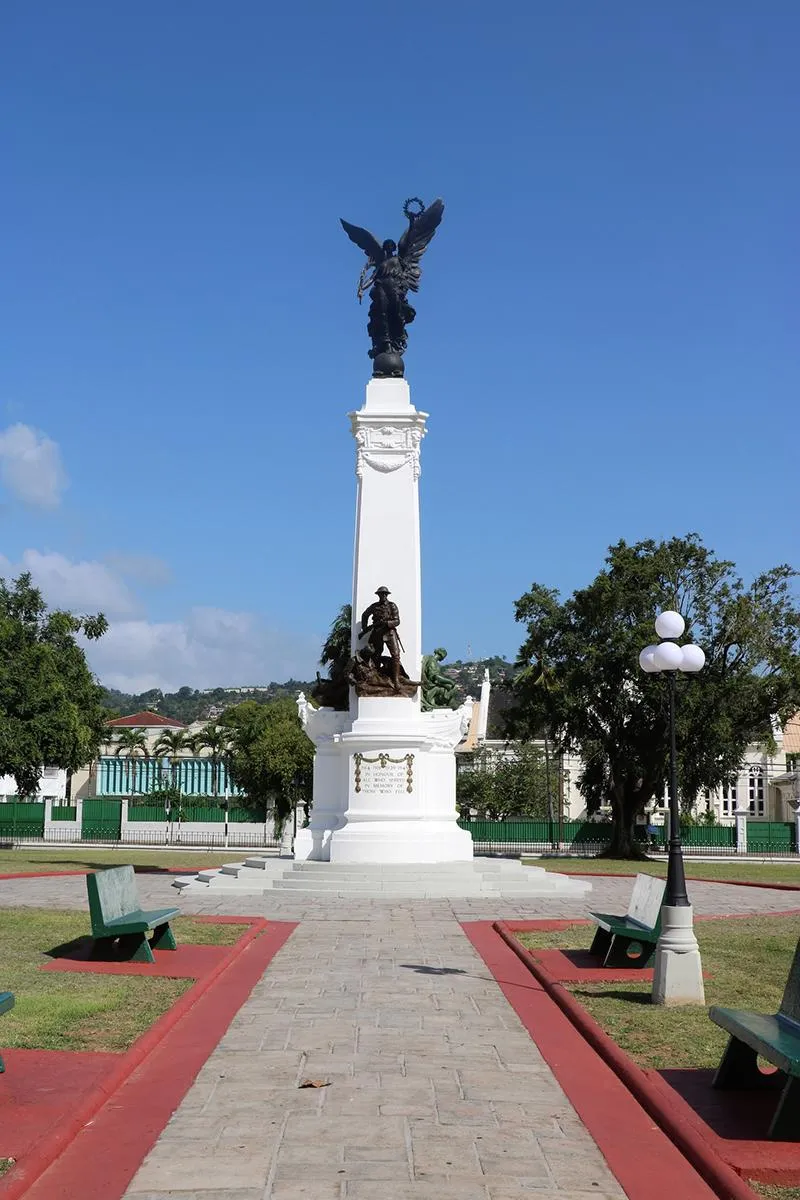
Trinidad and Tobago played a crucial yet often overlooked role in World War II, primarily due to its location in the Caribbean and its rich oil resources, which were vital to the Allied war effort.
The islands became a key base for the United States and Britain, leading to the construction of military installations such as Waller Field, Carlsen Field, and Chaguaramas, which served as crucial air and naval bases for protecting shipping routes against German U-boats that were aggressively targeting Allied vessels in the Caribbean.
Between 1940 and 1945, thousands of Trinidadian and Tobagonian men enlisted in the British West Indies Regiment, the Royal Air Force, and other military units, with estimates suggesting that over 2,000 served in various capacities. Many of these soldiers faced racial discrimination and poor conditions but played an essential role in support services, aviation, and even direct combat.
Civilian life was heavily impacted by the war, as food shortages, rationing, and inflation took their toll on the local population, while hundreds of Trinidadian merchant seamen lost their lives due to German submarine attacks on oil tankers and cargo ships transporting resources to the Allies.
The economic impact was profound, as wartime investments led to infrastructure improvements, but inflation and labor struggles resulted in widespread discontent, sparking major labor riots and strikes, most notably in 1942, when local workers protested against poor wages and working conditions imposed by foreign military forces.
Women and children faced immense hardships, with many women being forced into factory work or domestic labor to sustain their families while their male relatives were at war, and children suffered from malnutrition and a lack of educational resources as schools faced disruptions due to wartime priorities.
Casualty numbers in Trinidad and Tobago remain unclear, but several hundred civilians died due to wartime accidents, attacks, and economic hardships.
The cost of the war on the local economy was significant, with inflation skyrocketing by nearly 300% over the period, leading to long-term economic struggles that shaped the post-war labor movement and calls for independence.
When the war ended in 1945, the foreign military presence began to decline, but the U.S. retained control over Chaguaramas, leading to years of political tension until its eventual return to Trinidad and Tobago in the 1960s.
The war’s aftermath saw major social changes, including greater political awareness, increased demands for self-governance, and improved labor rights, all of which influenced the islands’ path to independence in 1962.
Even today, the war’s impact is seen in the remnants of military installations, the evolution of the oil industry, and the socio-economic shifts that propelled the nation toward modernization and political transformation.
(Never Again – for Humanity)