World War II

United States
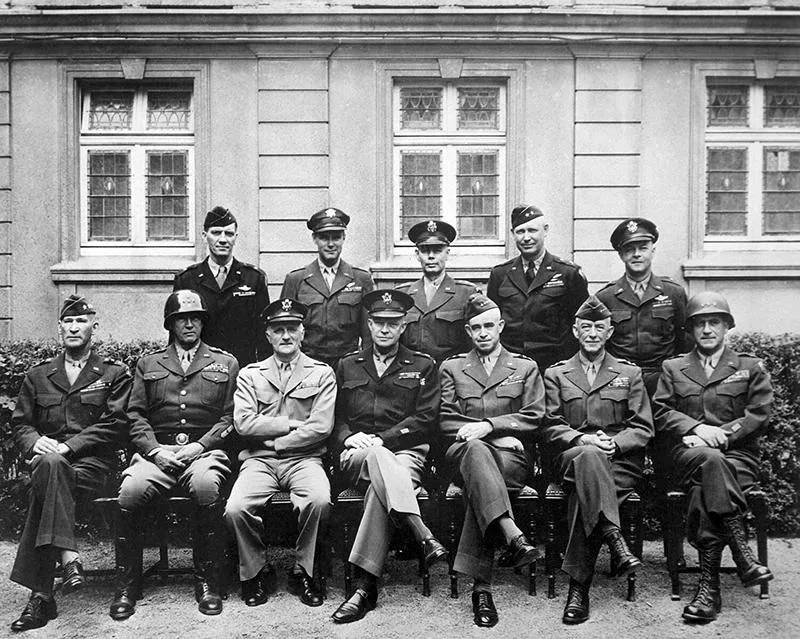

World War II marked a transformative period for the United States of America (USA), significantly influencing its military engagement, civilian life, and economic landscape. Initially adopting a stance of neutrality, the USA’s position shifted dramatically following the Japanese attack on Pearl Harbor on 7th December 1941. This event precipitated the country’s formal entry into World War II. Over the course of the war, approximately 16.1 million Americans served in the armed forces.
The human cost was staggering, with 405,399 military deaths and 671,278 of the military wounded. The Battle of the Bulge resulted in 19,246 American soldiers killed, 62,489 wounded, and 26,612 captured or missing. On the home front, the war effort led to significant societal changes. The attack on Pearl Harbor resulted in over 2,300 military and civilian deaths, with nearly half of those occurring on the USS Arizona.
In response to security concerns, Executive Order 9066 was issued, leading to the internment of over 120,000 Japanese Americans, including women and children, in camps across the country. This action had lasting repercussions on civil liberties and remains as a somber chapter in American history.
The war effort necessitated a rapid and extensive mobilisation of the American economy. Government expenditures surged, with defense spending comprising about 40% of the Gross Domestic Product (GDP) by 1945. This massive investment led to the creation of 17 million new civilian jobs, a 96% increase in industrial productivity, and a doubling of corporate profits after taxes.
Unemployment rates plummeted from 14.6% in 1939 to a record low of 1.2% by 1944. The federal debt, however, expanded significantly, growing to more than $258 billion by the end of the war. With a significant portion of the male workforce enlisted in the military, approximately 6 million women entered the workforce, symbolised by the cultural icon “Rosie the Riveter.” This shift not only contributed to the war effort but also laid the groundwork for future movements toward gender equality in the workplace.
African Americans and other minorities found increased employment opportunities, leading to gradual progress in civil rights, despite persistent segregation and discrimination.
The conclusion of World War II positioned the United States as a global superpower, with its economy revitalised and its military influence expanded. The G.I. Bill facilitated educational and housing opportunities for returning veterans, contributing to the growth of the middle class and suburbanisation. However, the war also left complex legacies, including the ethical implications of Japanese American internment and the use of atomic weapons. These events have prompted ongoing reflection and discussions about civil liberties, military ethics, and the role of government in times of crisis.
The mobilisation for war ended the Great Depression, redefined gender roles, and set the stage for the United States’ prominent role in global affairs in the subsequent decades.
(Never Again – for Humanity)