World War II
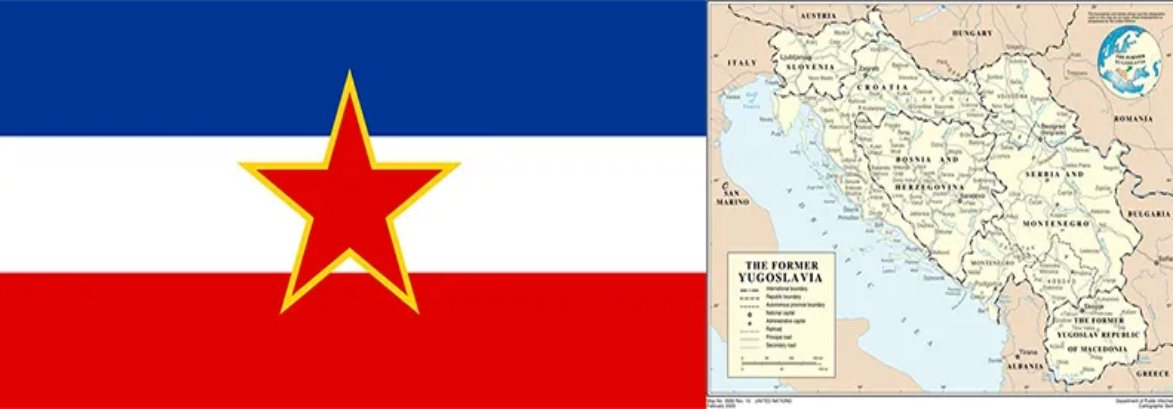
Yugoslavia
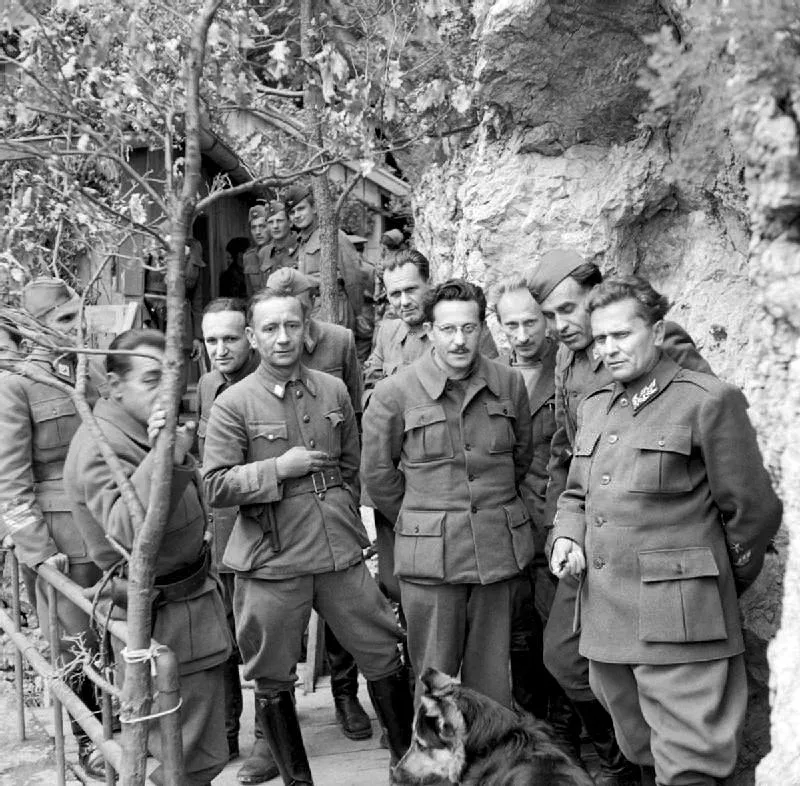
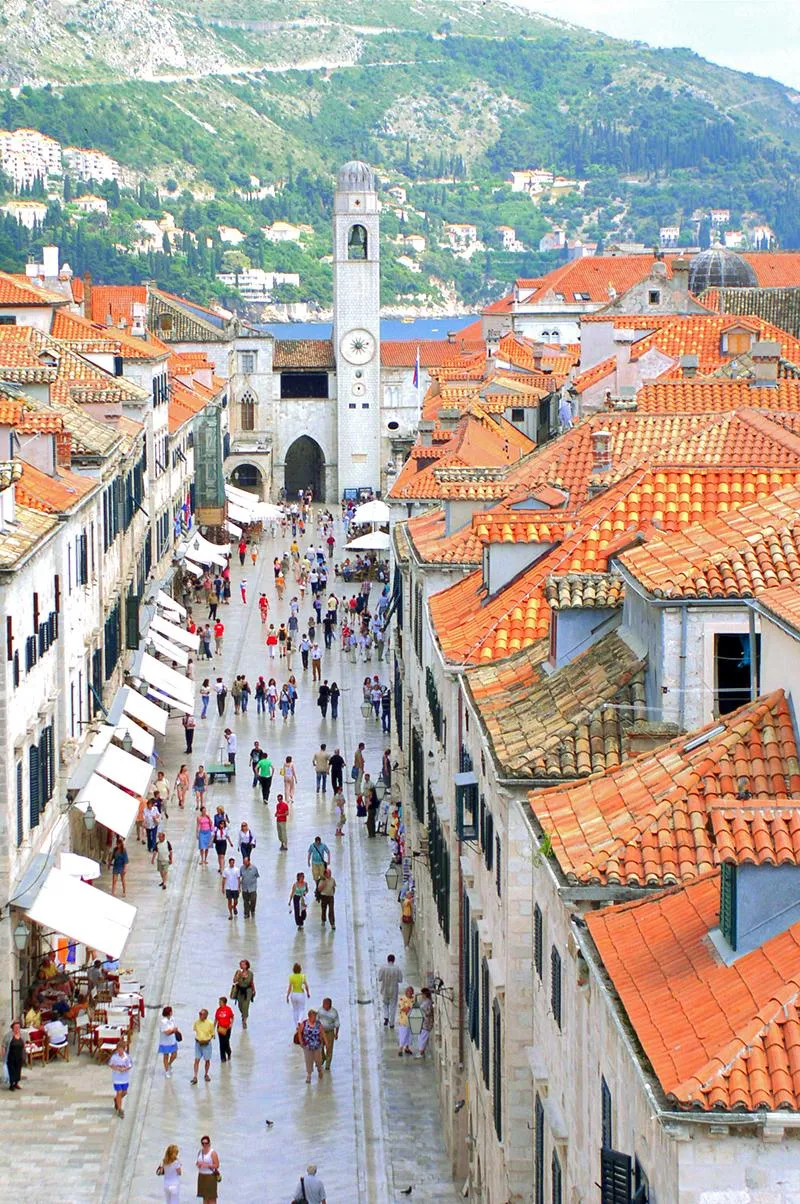
Yugoslavia played a significant and turbulent role in World War II, with the conflict beginning for the country when Axis forces, led by Nazi Germany and Italy, invaded and occupied Yugoslavia in April 1941, which was part of the broader Axis expansion across Europe. The invasion swiftly dismantled the Kingdom of Yugoslavia’s military resistance, leading to the country’s fragmentation and occupation by Axis powers, including Nazi Germany, Fascist Italy, Hungary, and Bulgaria.
The occupation triggered one of the most complex and brutal resistance movements of the war, as Yugoslav partisan forces launched a large-scale guerrilla campaign against the occupying powers. The Yugoslav partisans became one of the most effective and organised resistance movements in Europe, ultimately liberating large parts of the country without significant Allied military intervention.
The human cost of the war in Yugoslavia was devastating, with an estimated 1.1 million to 1.7 million Yugoslavs killed, including civilians and soldiers, which amounted to around 10% of the pre-war population. Civilians, especially women and children, suffered immensely due to mass executions, forced labour, systematic rape, and genocidal policies carried out by Axis-aligned puppet states and occupying forces.
The Independent State of Croatia (NDH), a Nazi puppet regime, implemented brutal racial and religious persecution policies, resulting in the deaths of hundreds of thousands of Serbs, Jews, and Roma. Yugoslav women were subjected to sexual violence and forced labour. Thousands of children were orphaned or taken away from their families, often placed in ideological re-education programs or killed. The Yugoslav partisan forces eventually grew to over 800,000 fighters, including a significant number of women, who played crucial roles as combatants, nurses, and intelligence operatives.
After the war ended in 1945, Yugoslavia emerged as a communist state under a new political order, which sought to unify the ethnically and religiously diverse population under a single socialist framework. The legacy of the war shaped Yugoslavia’s post-war political and social structure, with a strong emphasis on state control, industrialisation, and military strength to prevent future foreign aggression.
The cost of rebuilding the country in the years following the war was immense, with billions of dollars required to restore infrastructure and stabilise the economy. The role of Yugoslav partisans in defeating Axis powers remains a source of national pride for many in the region, while the atrocities committed during the war have left lasting scars on the social and political fabric of the former Yugoslav republics.
The post-war reconstruction of Yugoslavia was heavily influenced by the need to overcome the devastation of the war and create a unified, modern socialist state, but the ethnic and religious tensions exacerbated during the conflict ultimately contributed to the country’s fragmentation decades later.
(Never Again – for Humanity)