Bruce Lee
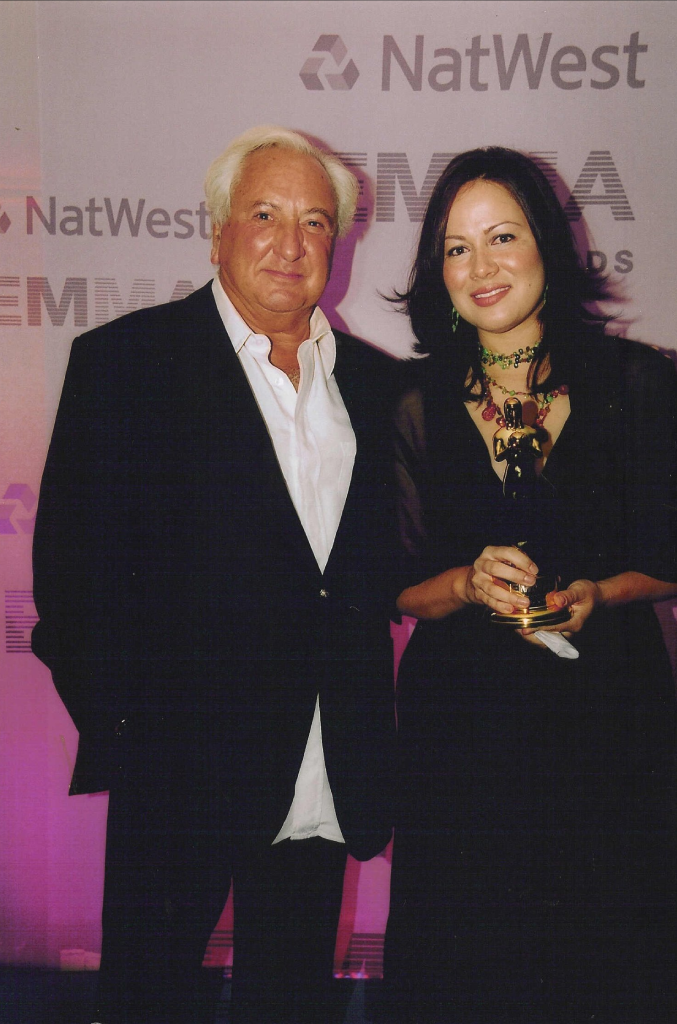
EMMA Supporter
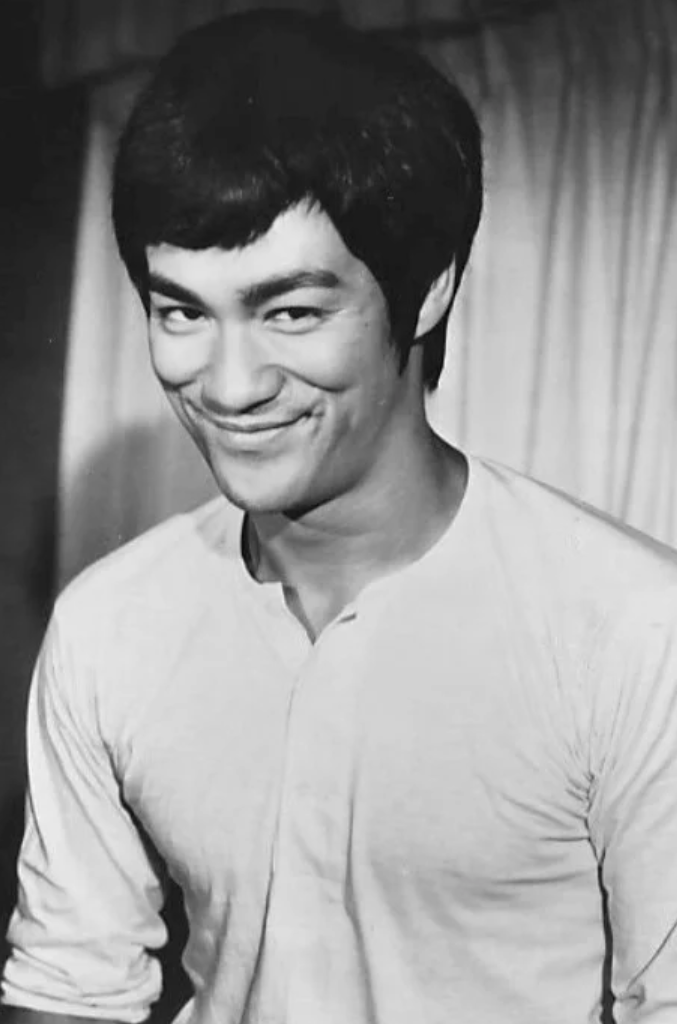
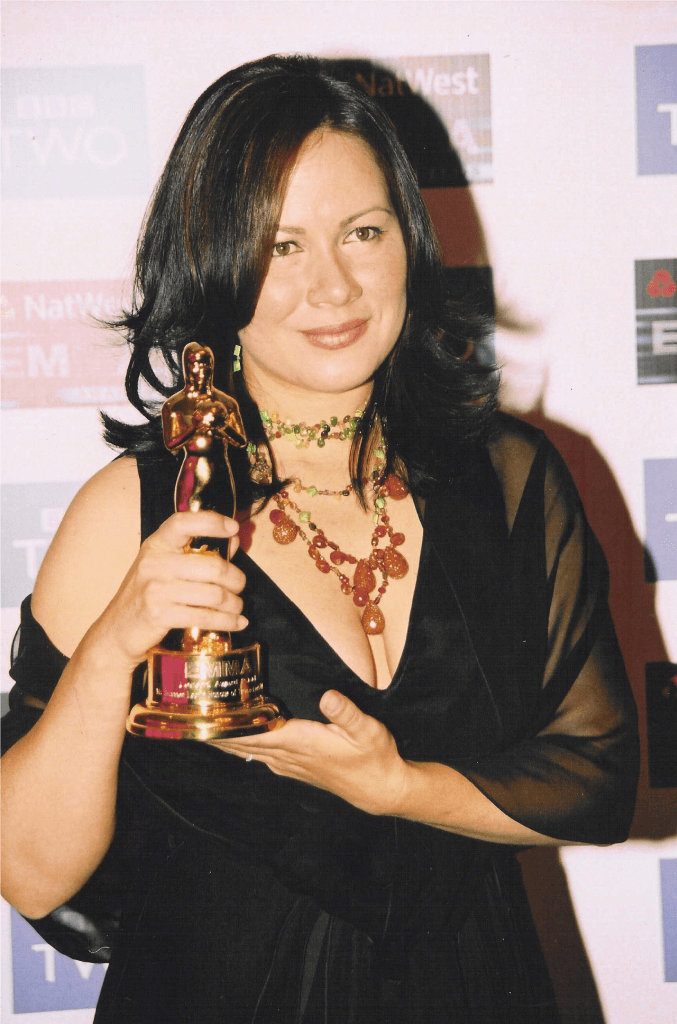
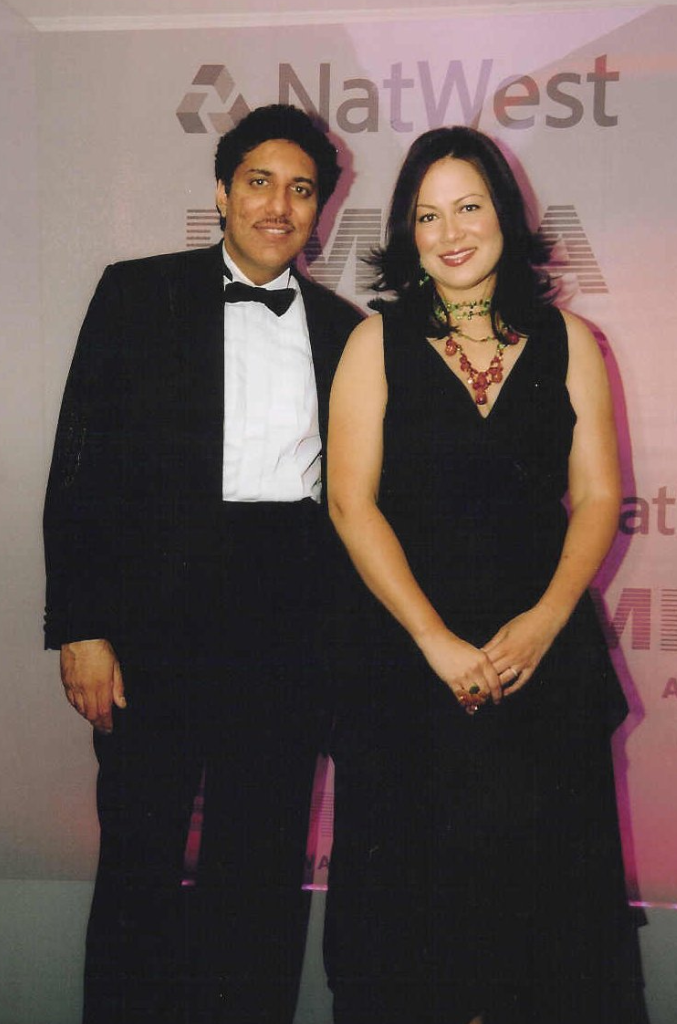
Bruce Lee was born on 27 November 1940. He has continued to influence modern combat sports, including Judo, Karate, mixed Martial Arts, and Boxing, and contemporary popular culture, including film, television, comics, animation, and video games. We were fortunate to have Bruce Lee’s support extended to us by his daughter Shannon Lee, who attended the EMMA Show because our philosophy “It’s What’s Inside that Counts” resonates with Bruce.
Born in San Francisco, California, as Lee Jun-fan, to a Cantonese opera singer father and a mother of Eurasian ancestry, Bruce Lee’s family experienced unexpected hardships due to Japan, amid World War II, launching a surprise attack on Hong Kong in December 1941 and ruling over the city for the next 4 years.
Bruce was introduced to the entertainment industry early and began appearing in films as a child, where he was frequently cast as a juvenile delinquent or homeless child.
In 1958, Bruce won the Hong Kong Crown Colony Cha-Cha championship, but his parents were increasingly disturbed by his street fighting and run-ins with the police, so they sent him to live in the United States shortly after he turned 18.
Bruce lived in Seattle, where he finished high school, and went on to philosophy and drama at the University of Washington. While in Seattle, he opened his first martial arts school and relocated to Oakland, California, in 1964, where he founded a second school.
After giving a Kung Fu demonstration at a karate tournament in the Los Angeles area, Bruce drew the attention of a television producer. He was cast as the sidekick Kato in the television series The Green Hornet, which ran from 1966 to 1967. After the cancellation of The Green Hornet, he began supplementing his income by giving private Jeet Kune Do lessons to Hollywood stars, including Steve McQueen.
In the 1969 film Marlowe, Bruce received some notoriety for a scene in which he destroyed an entire office through kickboxing and karate moves.
In 1971, he moved back to Hong Kong after feeling troubled by his inability to find other suitable roles. There, he starred in two films that broke box office records throughout Asia, and he later found success in the United States with 1971’s Tang shan da xiong (also known as Fists of Fury) and 1972’s Jing wu men (also known as The Chinese Connection).
Bruce used that sudden box office clout to form his own production company. He co-produced, directed, wrote, and starred in his next film, 1972’s Meng long guo jiang (also known as Return of the Dragon). His following film, 1973’s Enter the Dragon, was the first joint venture between Hong Kong and US-based production companies. It became a worldwide hit, thrusting Lee into international stardom.
Tragically, Bruce passed away on 20th July 1973, six days before the film’s Hong Kong release. The mysterious circumstances of his death were a source of speculation for fans and historians. Still, the cause of death was later officially listed as swelling of the brain caused by an allergic reaction to a headache medication. At the time, Lee had been working on the film Game of Death, which had been pieced together with stand-ins and cardboard cutouts of his face. It was released in 1978.
After Bruce’s death, his films gained a large cult following, and he became one of the biggest pop culture icons of the 20th century.
Bruce is often credited with changing how Asians were presented in American films. Bruce became an iconic figure known worldwide, particularly among the Chinese, based upon his portrayal of Cantonese culture in his movies, and among Asian Americans for defying Asian stereotypes in the United States.
In 1999, Bruce was named one of TIME Magazine’s 100 Most Important People of the Century.
In 2002, Bruce’s widow, Linda Lee Cadwell, and his daughter Shannon Lee founded the Bruce Lee Foundation. The charity was formed with a vision to share Bruce Lee’s art, legacy, and philosophy with the world and uplift and empower youth through martial arts and mindfulness for generations to come.
Bruce not only made sure that he represented ethnic minorities in the West and fought against discrimination, but he was also an inspiration to people worldwide because he showed that anyone could be a skilled martial artist and global film icon, regardless of their race or ethnicity.
In August 1962, Nelson was arrested on his return from a trip to Algeria in Northern Africa and he stayed in prison until his release in 1990.
In 1991, Nelson became President of the ANC and worked with FW de Klerk to harmoniously end apartheid and introduce equal rights for everyone. Their work towards making South Africa a more peaceful place won the pair the Nobel Peace Prize in 1993.
In 1999, Nelson retired from active politics as president. That same year, he founded the Nelson Mandela Foundation, an organisation that promotes the principles of equality, freedom, and peace.
However, in 2000, Nelson came out of retirement to receive his EMMA Lifetime Achievement honour in London, and he re-engaged with many social and political issues to promote global peace.
In 2009, 18th July (Nelson Mandela’s birthday) was officially named ‘Nelson Mandela Day’. Since then, people around the world honour his legacy on that day by helping their communities and making the world a better place.
Nelson’s autobiography was made into a film titled Mandela: Long Walk to Freedom, which was released in 2013 and stars actor Idris Elba as Nelson Mandela.
After suffering from a prolonged respiratory infection, Nelson Mandela sadly passed away on 5th December 2013 at the age of 95. Following his death, 14 locations within South Africa were collectively designated a UNESCO World Heritage site in 2024.
These include the Great Place at Mqhekezweni, the epicenter of the 1976 Soweto Uprising, and the Union Buildings in Pretoria, which were symbolic of Mandela’s life and the country’s struggle for human rights and liberation.
Nelson Mandela continues to be an important figure around the world as a symbol of peace and equality, as he brought both of those to South Africa and led the fight for human rights..