William Hague
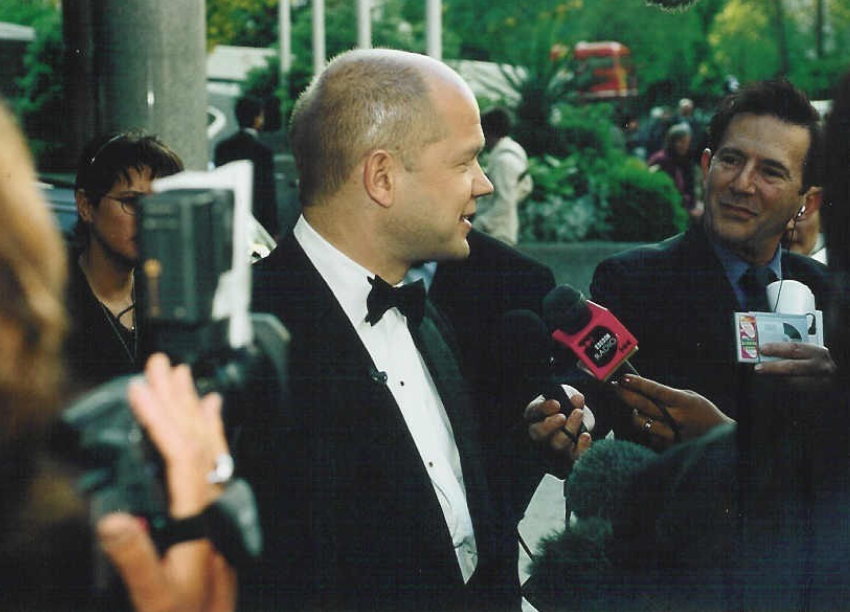
EMMA Supporter
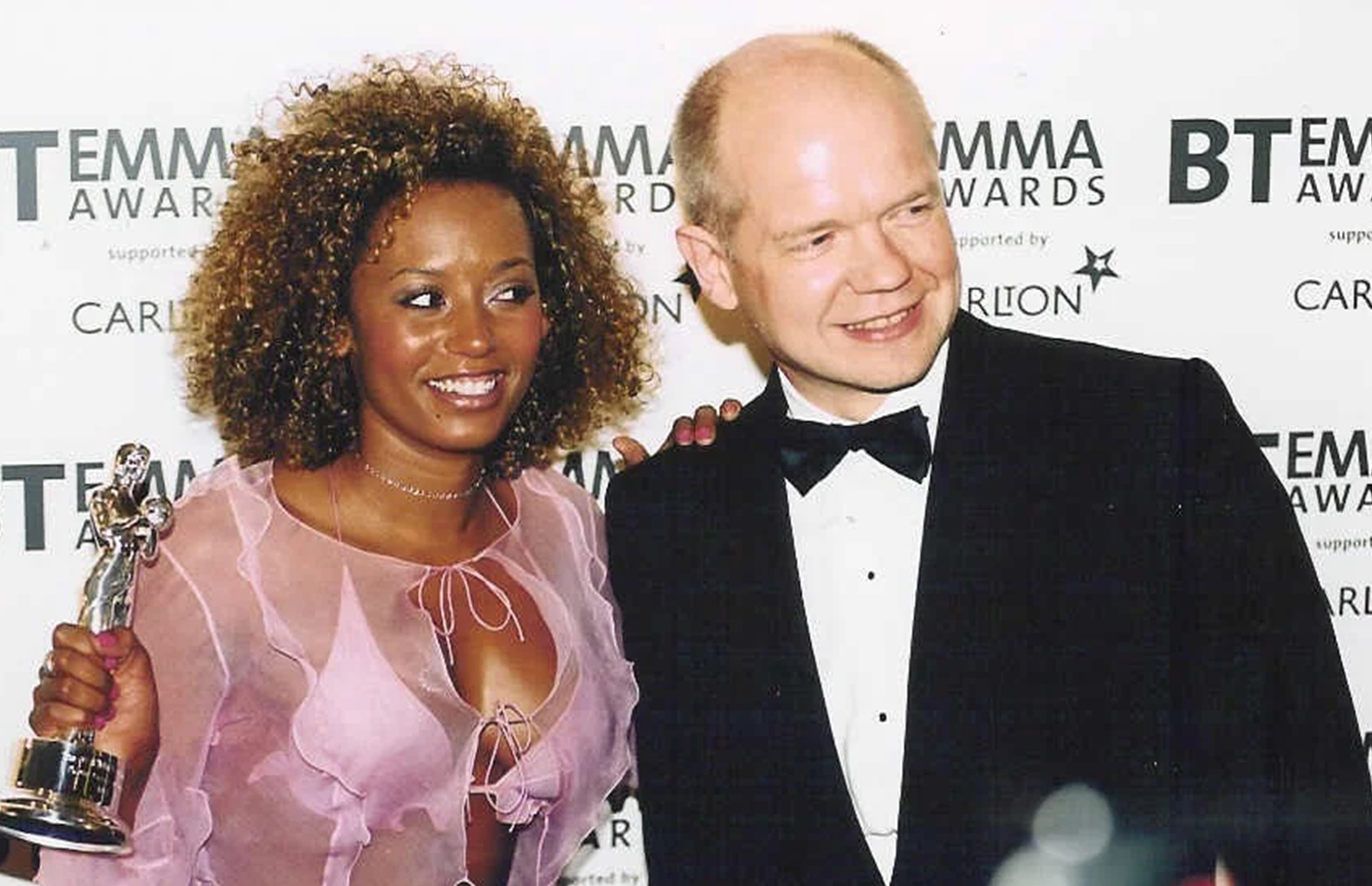
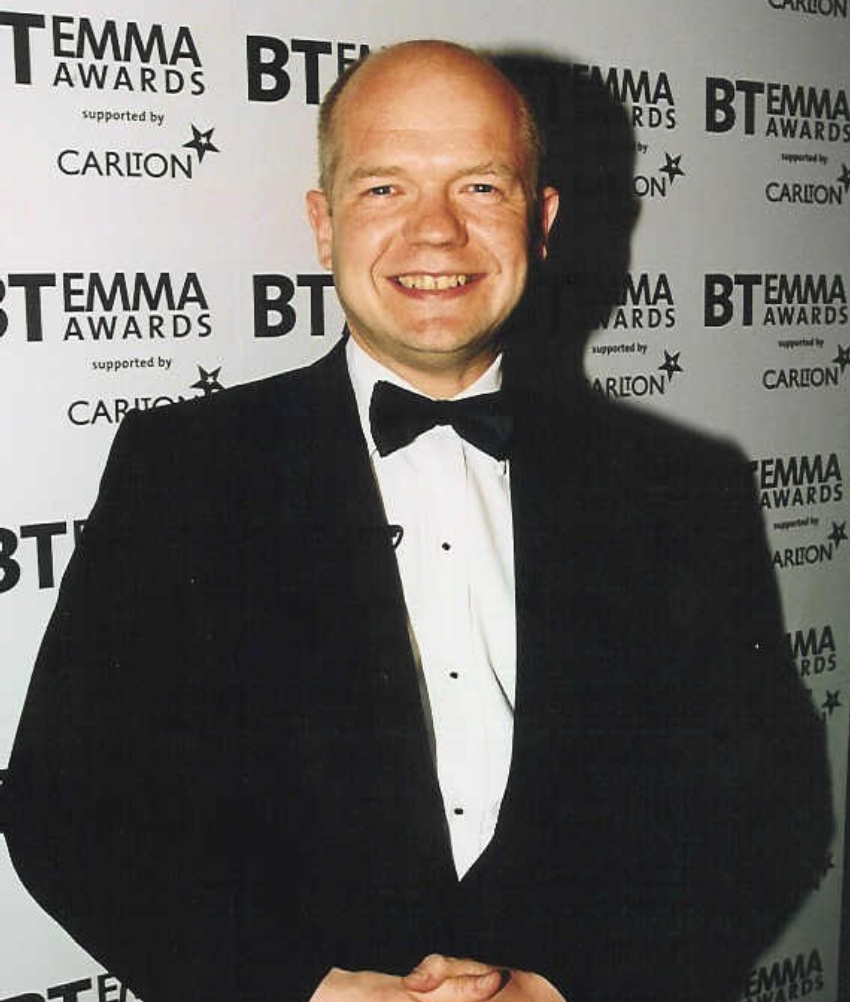
Lord William Hague was born on 26 March 1961 in Rotherham, South Yorkshire, Britain. He is a distinguished British politician (ex-leader of the Conservative Party), author, and public servant whose career spans over forty years. He attended the EMMA show to support its objectives of promoting social cohesion within society and the creative industries. He acknowledged EMMA’s role in becoming the catalyst for the London 2012 Olympic Games, and branded it multicultural.
William was raised in a working-class family, and his early education inspired him to study Philosophy, Politics, and Economics at Magdalen College, Oxford, where he graduated with first-class honours. At an early age, he showed an interest in politics when he attended the Tory party conference in 1977 and gave a speech that questioned some of the Thatcherite policies.
William entered politics in 1989 when he was elected as the Member of Parliament (MP) for Richmond, North Yorkshire, marking the beginning of a long and successful career in British politics. His rise through the Conservative Party was rapid, and by 1995, he was appointed Secretary of State for Wales in John Major’s government.
After the Conservative defeat in the 1997 general election, William was elected Leader of the Conservative Party at 36, becoming the youngest person to hold that role. Under his leadership, the party worked to modernise its image and connect with a younger electorate, though he ultimately stepped down after the party’s defeat in 2001. He continued to serve in various roles in Parliament, including as Shadow Foreign Secretary, where he was known for his expertise in international affairs.
As foreign secretary in the coalition government from 2010 to 2014, William played a pivotal role in shaping UK foreign policy. He led diplomatic efforts in response to the Syrian conflict, advocated for humanitarian intervention, and supported the Arab Spring’s transition to democracy.
William’s leadership was also instrumental in promoting human rights globally and strengthening the UK’s position in international institutions.
William’s foreign policy efforts, particularly in the Middle East and with the United Nations, were widely recognised for their depth and vision. In 2015, he was appointed a life peer in the House of Lords as Lord Hague of Richmond, continuing to influence UK policy and governance.
Hague has also remained active through his writing and public speaking. He is the author of several books, including 2004’s William Pitt the Younger, a highly praised biography of the British Prime Minister, which earned him recognition as a historian and politician.
William’s contributions to education and international diplomacy have earned him numerous accolades, including his appointment as Chancellor of the University of Oxford in 2025.
One of the key moments in William’s career was his involvement in the London 2012 Olympics bid. He mentioned the vital role played by the Ethnic Multicultural Media Academy (EMMA). William credited EMMA’s work engaging ethnic minority communities across the UK as a crucial factor in London’s successful bid to host the 2012 Olympics through the EMMA TV Show.
William emphasised how EMMA’s advocacy for inclusivity and representation helped build a sense of national unity, which was essential for winning the Olympic bid. Through its efforts to amplify ethnic minority voices, EMMA played a pivotal role in mobilising support and ensuring that the Olympics reflected the diverse fabric of British society. EMMA, in turn, had equally organised a major conference at the University of London in 2011 to tackle the London Riots to ensure that the London 2012 Multicultural Olympic Games wasn’t derailed due to the riots taking place then.
As a highly respected figure in British politics and public service, Rt. Hon. William Hague, now referred to as Lord Hague’s legacy, includes his dedication to diplomacy, leadership, and social responsibility. His career has been marked by a commitment to enhancing Britain’s position on the world stage, advocating for human rights, and promoting inclusive policies.
Today, as a member of the House of Lords, Lord Hague continues to influence national and global policy, contributing to discussions on foreign relations, education, and the future of UK governance.
William’s work continues to inspire new generations towards politics and diplomacy leadership.