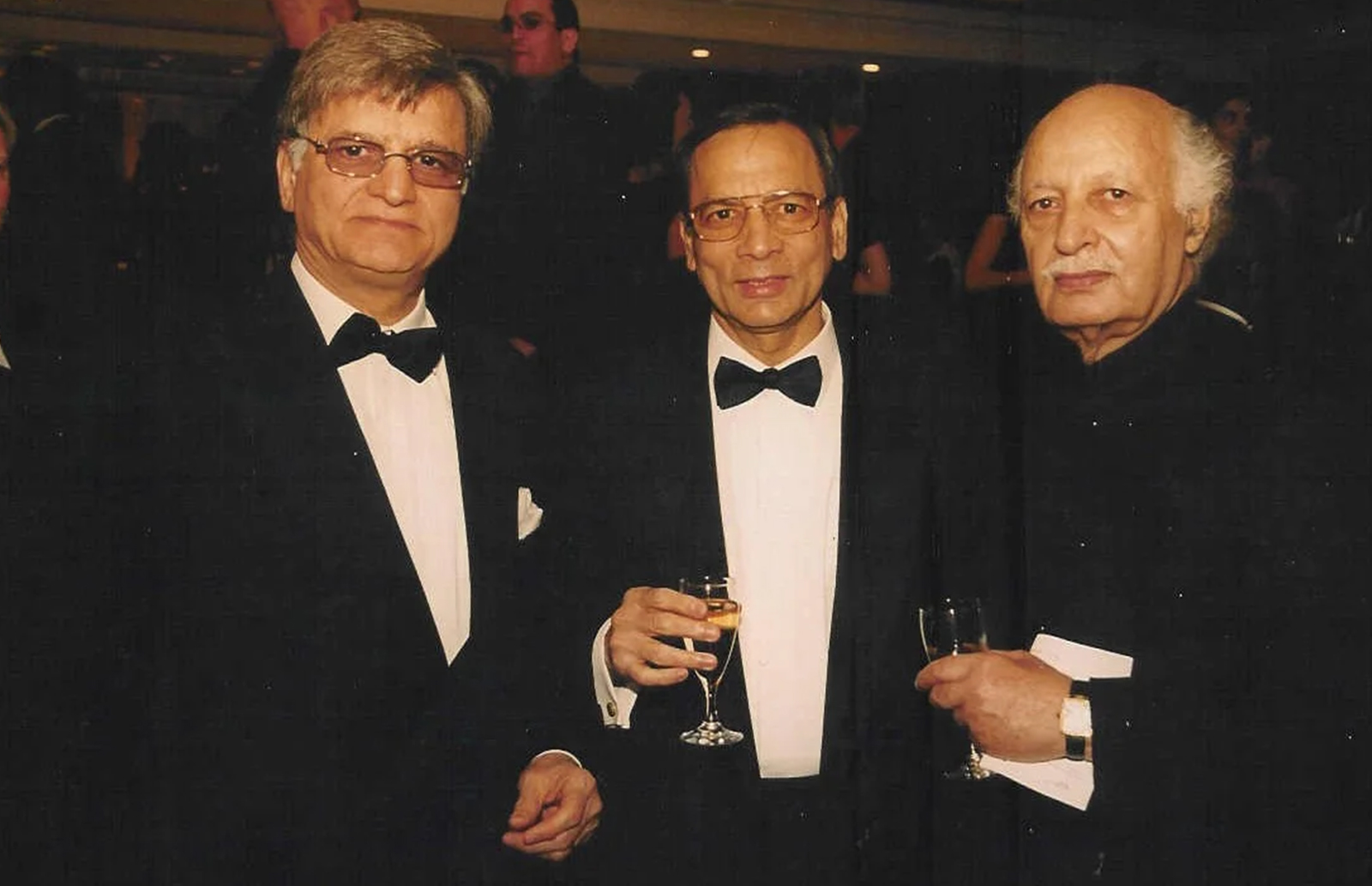
Lord Noon
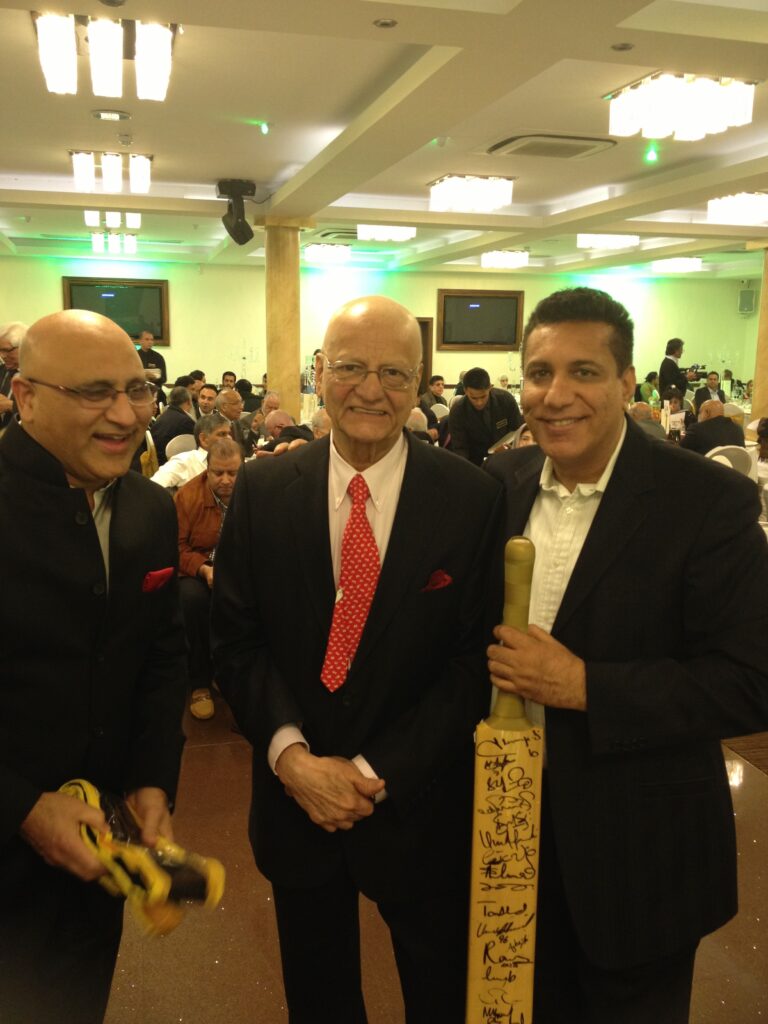
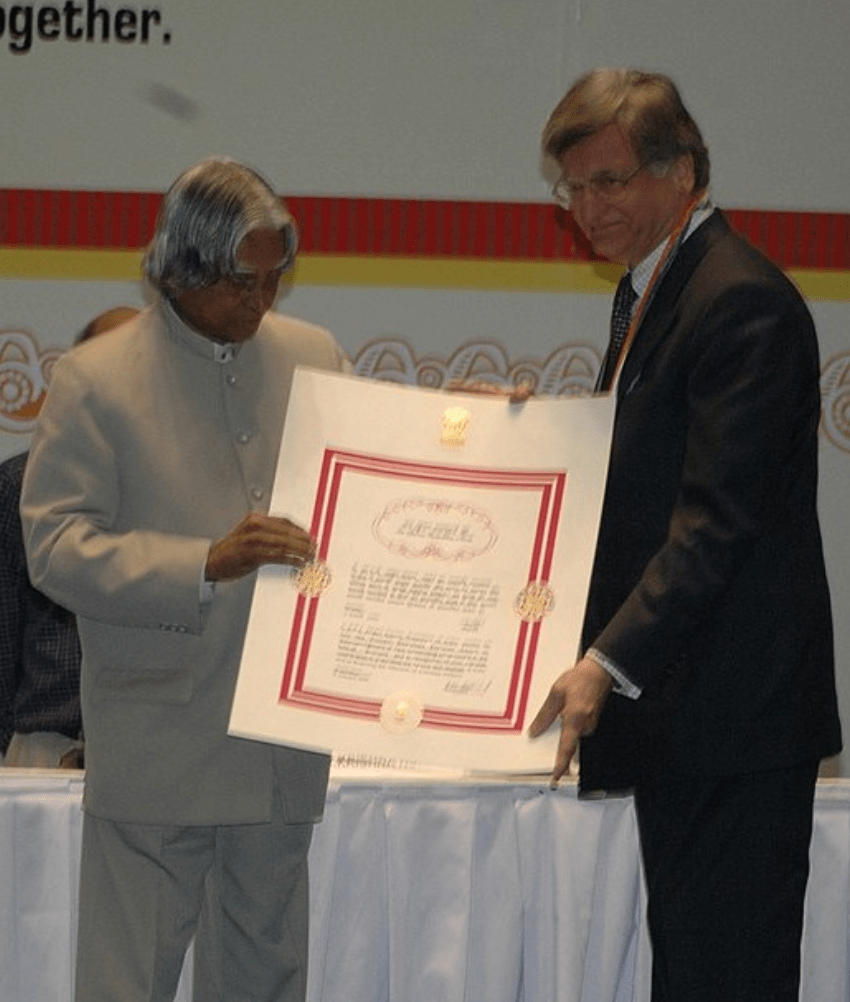
EMMA Supporter
Gulam Kaderbhoy Noon, better known by his closest friends as G.K., was born on 10 June 1940 in Kadodara, Gujarat, India. He had supported EMMA from the very start as a Patron due to his belief that every community is better served by working together, regardless of race, religion, or colour, hence supporting EMMA’s social cohesion campaigns in society and creative industries.
G.K. completed his early education in India and migrated to the United Kingdom in 1966 at the age of 26. He worked as a waiter in a factory and realised the potential of producing ready-made South Asian cuisine for the UK, later being dubbed the Curry King.
G.K. entered the food industry in the early 1980s, working for other companies before founding his Noon Products business in 1989. He transformed the frozen food sector by introducing ready-to-eat South Asian meals, an innovation that catered to both the growing South Asian diaspora and the broader British market. His products, which included popular dishes such as chicken tikka masala, became synonymous with convenience, authenticity, and quality, helping to redefine British cuisine and popularise South Asian cuisine across the UK.
G.K.’s pioneering work in the ethnic food sector revolutionised the industry and earned him significant accolades. Under his leadership, Noon Products expanded rapidly and became one of the UK’s largest manufacturers of frozen and chilled South Asian and ethnic cuisine.
G.K.’s products were sold in major supermarkets, and he played a key role in ensuring that South Asian cuisine was no longer seen as a niche market but as part of the mainstream British food culture. His success was particularly notable given that he was an entrepreneur at a time when few South Asians had achieved such prominence in business.
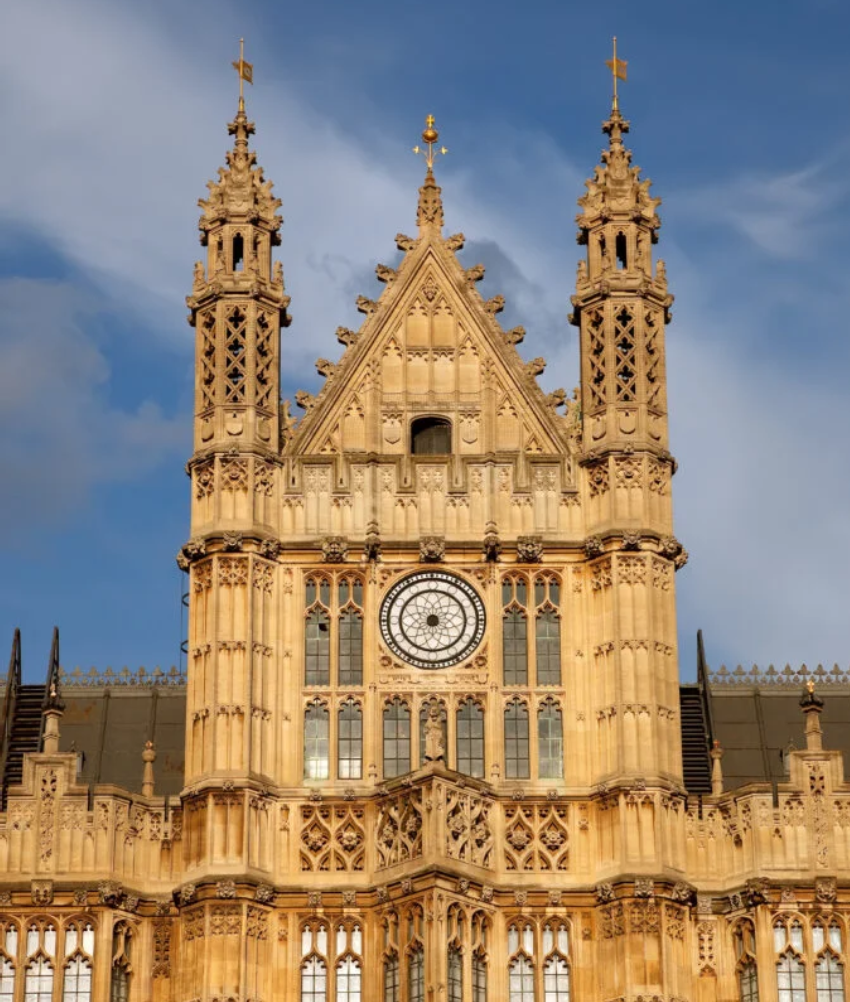
In 2005, in recognition of his business achievements and contributions to the British economy, G.K. was appointed a life peer, taking the Baron Noon of St John’s Wood title in the House of Lords, especially significant as a British Muslim leader. He became one of a few British Asian entrepreneurs to be granted a peerage, and his appointment was seen as a landmark moment in recognising ethnic minority contributions to British public and business life.
As a member of the House of Lords, G.K. focused on immigration, ethnic diversity, integration, and economic empowerment for minority communities. He was a strong advocate for supporting minority-owned businesses and championed policies that promoted diversity in the workforce and leadership positions across industries.
G.K. used his platform to encourage greater social mobility for migrants and their descendants, believing that business could be a powerful tool for positive social change.
G.K.’s influence extended beyond business and politics into the realm of philanthropy. Throughout his life, he was deeply committed to charitable work, particularly in supporting education, healthcare, and the welfare of the South Asian community in the UK.
G.K. substantially donated to various causes, including initiatives that helped young people from disadvantaged backgrounds access better education and career opportunities.
G.K. was passionate about fostering better understanding and integration between Britain’s cultural groups. He supported several projects to promote cross-cultural dialogue and social cohesion, including efforts to improve relations between ethnic communities and the wider society.
In addition to his public service and philanthropic efforts, G.K. was a published author who wrote memoirs and business insights. His book, “From Raj to Riches,” offers a detailed account of his life story, providing inspiration to aspiring entrepreneurs, particularly those from immigrant backgrounds. It captures his journey from a young man with limited resources in India to becoming a successful business magnate in the UK and his reflections on the challenges and rewards of entrepreneurship.
G.K.’s personal story has symbolised the opportunities available to those willing to work hard, innovate, and contribute positively to society. His career in the UK is multifaceted, spanning business, public service, and philanthropy.
G.K. was recognised for his role in raising the profile of South Asian culture in the UK, helping to change perceptions of ethnic minorities and showing that success could be achieved through hard work and dedication, regardless of one’s background or racism towards British Muslims.
G.K. sadly passed away on 30 January 2021 at 80 due to Cancer. His impact on the business world, the food industry, and the communities he supported continues to inspire future generations.
G.K.’s contributions to British society, both in terms of economic success and social progress, are a lasting testament to migrants’ potential to shape and enrich their adopted countries.