The 2010 UK General Election, the BNP’s Divisive Campaign & the EMMA Ad Campaign Response
Introduction
The UK 2010 General Election marked a turning point in British politics. Against a backdrop of economic recession, rising immigration debates, and public disillusionment with mainstream politics after the 2009 expenses scandal, far-right movements saw an opportunity to exploit national anxieties. The British National Party (BNP), led by Nick Griffin, attempted to harness this public sentiment with a campaign steeped in nationalism, anti-immigrant rhetoric, and racial divisiveness.
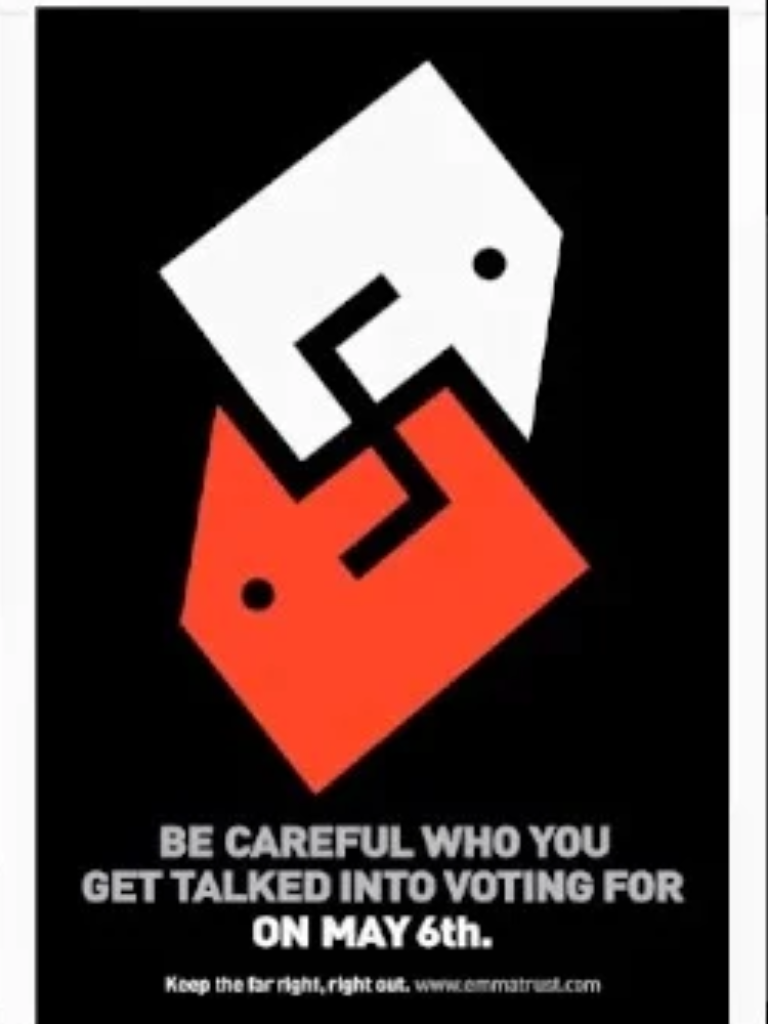
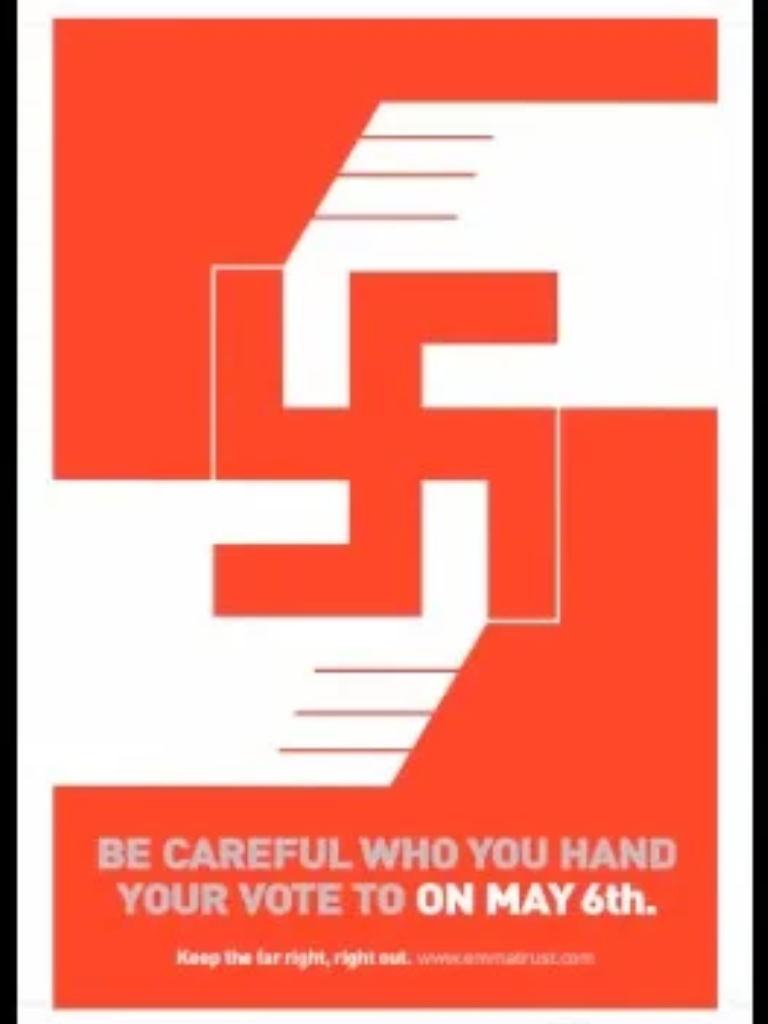
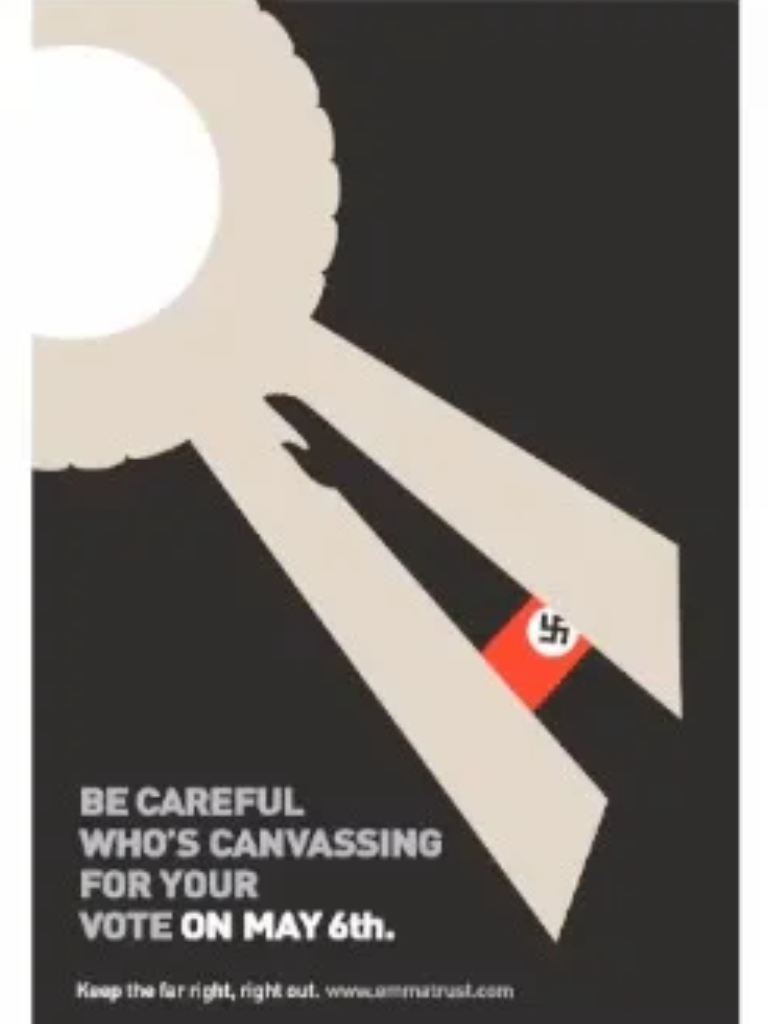
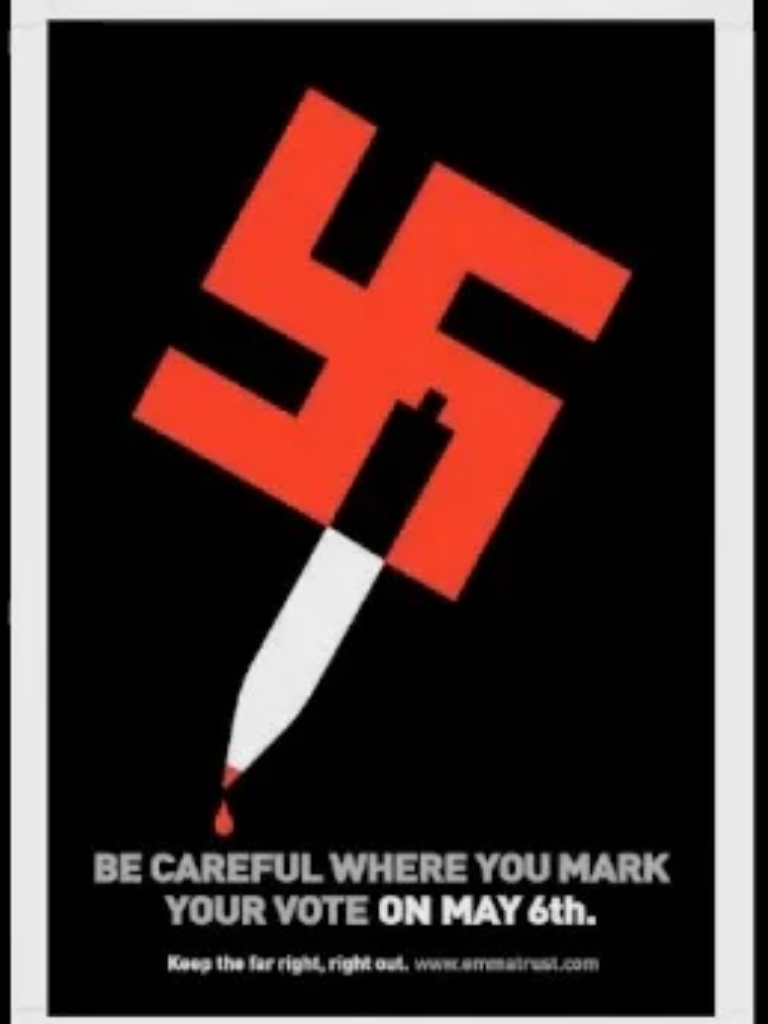
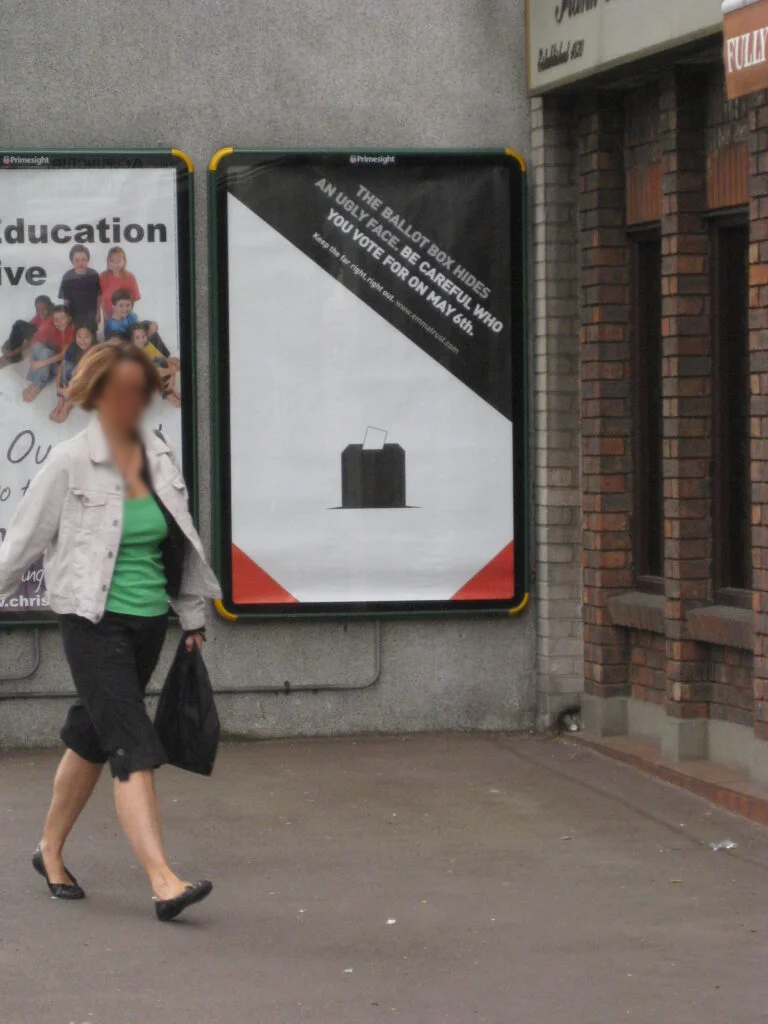
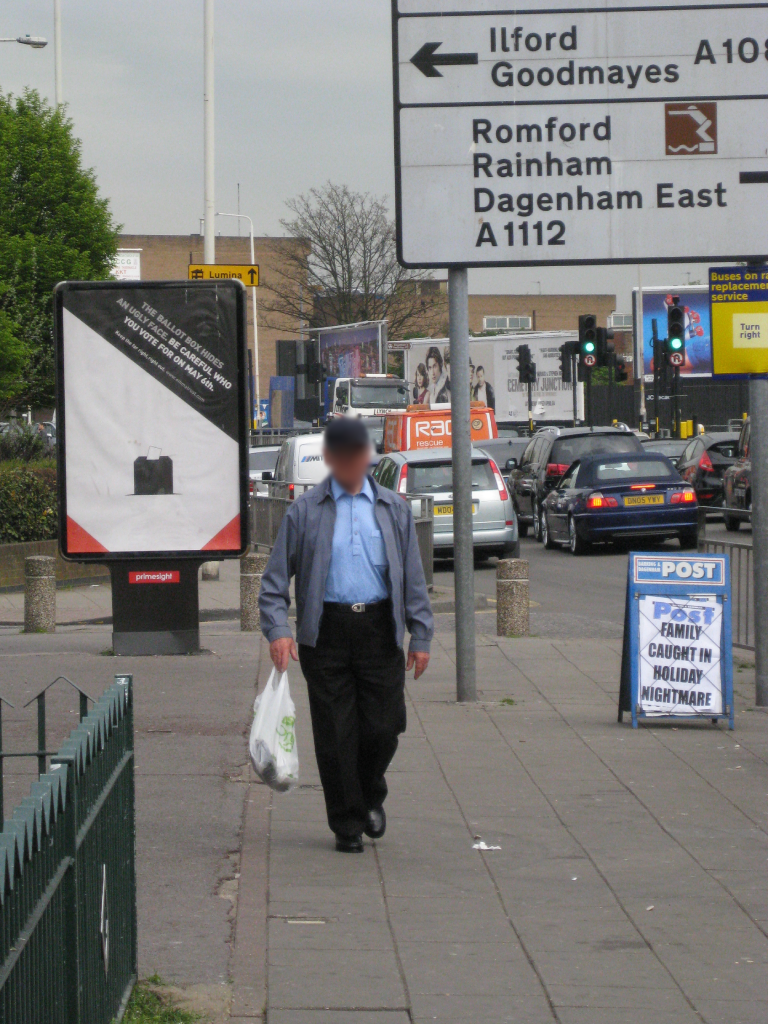
However, the election also became a rallying point for counter-movements that sought to reaffirm the values of diversity, inclusion, and unity. One of the most impactful responses came from the Ethnic Multicultural Media Awards (EMMA), whose groundbreaking national campaign helped to expose the dangers of far-right ideology and played a significant role in turning the tide against the BNP.
Award Winning Ads: 2011 
- D&AD Silver Nomination
- D&AD 2 x Commendations
- D&AD 1 x Commendation
The BNP’s 2010 Election Campaign: Nationalism and Division
The BNP’s 2010 campaign was one of its most visible and aggressive efforts to break into mainstream British politics. Having gained two seats in the 2009 European Parliament elections, including one for Griffin himself, the party believed it had growing support and aimed to win its first seat in the House of Commons.
The BNP’s messaging focused heavily on:
- Opposition to immigration, particularly targeting Muslim and Eastern European communities.
- Promotion of “British jobs for British workers,” echoing nationalist economic protectionism.
- Anti-multiculturalism, framing diversity as a threat to British identity.
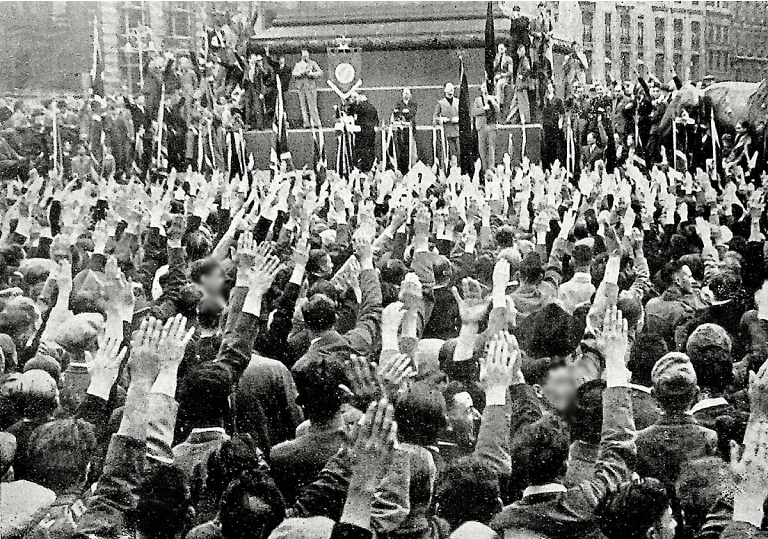
- Controversial imagery and slogans, including materials that misused wartime iconography and the Union Jack to invoke notions of racial purity and heritage.
The campaign drew widespread condemnation for being inflammatory, racially insensitive, and rooted in fascist ideology. Critics warned that the BNP’s rise was exploiting economic and cultural insecurities to scapegoat ethnic minorities.
The National Response: Media, Civil Society, and EMMA
The BNP’s campaign quickly galvanized anti-racist organisations, media outlets, and civil society movements. Among the most visible and culturally resonant responses was the EMMA campaign.
What is EMMA?
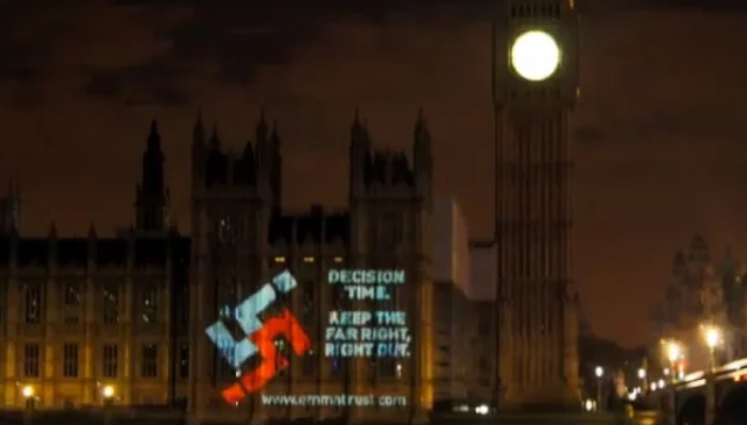
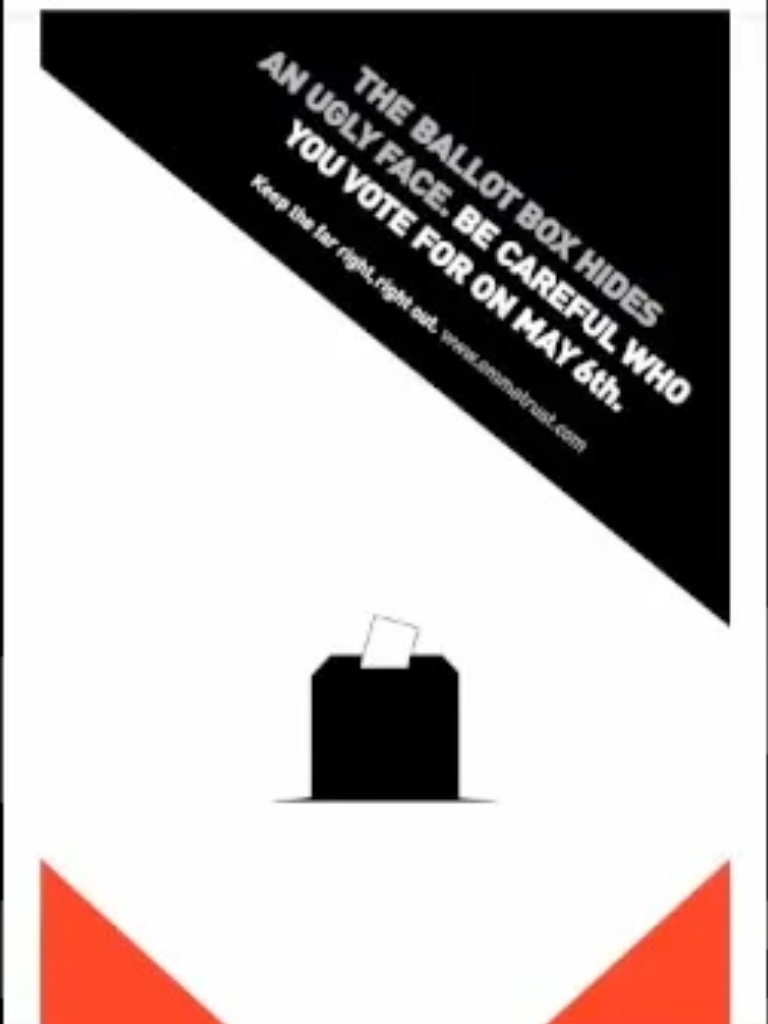
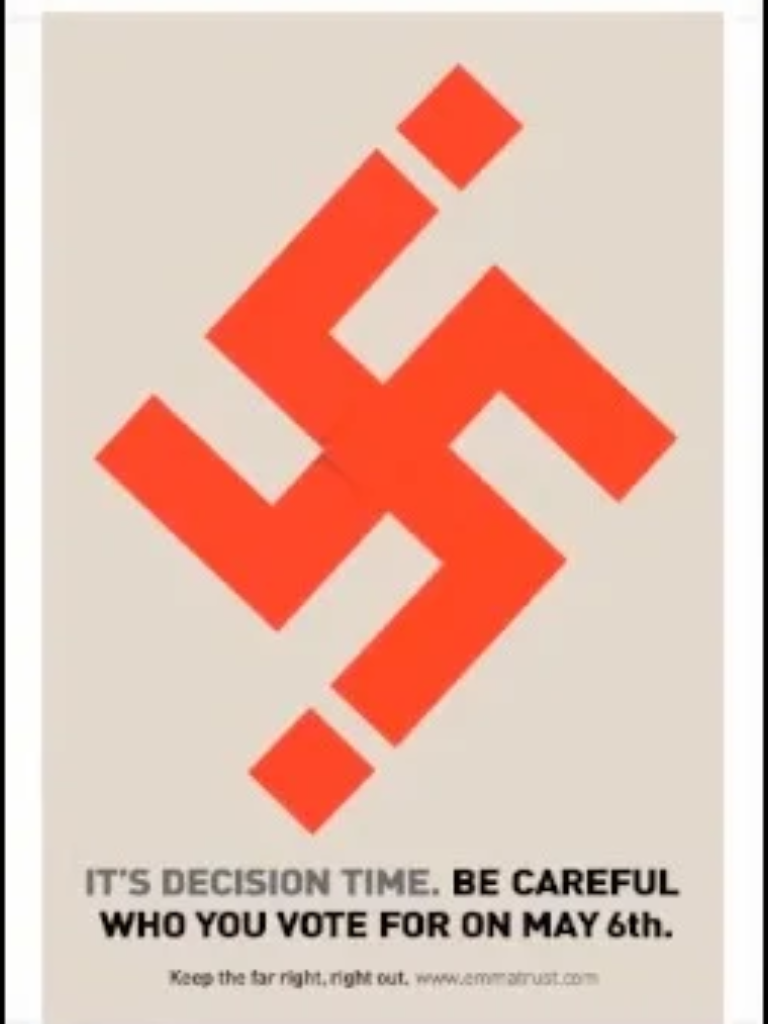
The Ethnic Multicultural Media Awards (EMMA) were established to celebrate the contributions of ethnic minorities in British media and to promote a diverse and inclusive cultural landscape. In 2010, EMMA went beyond celebration—it launched a bold, anti-BNP advertising campaign designed to directly challenge the party’s rhetoric.
Election Results and the BNP’s Collapse
The 2010 general election resulted in a hung parliament, eventually leading to the Conservative–Liberal Democrat coalition government under David Cameron.
But for the BNP, the results were disastrous:
- They failed to win a single seat in Parliament, despite standing 338 candidates.
- Nick Griffin’s bid for Barking ended in humiliation, finishing a distant third behind Labour’s Margaret Hodge.
- The party lost nearly all of its local council seats in key areas like Barking and Dagenham, where voters overwhelmingly rejected far-right politics.
Much of this defeat was attributed to the strong mobilisation of anti-BNP campaigns, including EMMA’s media offensive, grassroots activism, and the strategic efforts of Hope Not Hate, Unite Against Fascism, and Love Music Hate Racism.
Legacy and Impact
The BNP’s defeat in 2010 marked the beginning of its political decline. Within a few years, the party had all but collapsed, replaced in the far-right space by newer, more populist movements such as UKIP and later factions of the alt-right.
EMMA’s intervention proved that media, when used with courage and clarity, can act as a powerful force against racism. The 2010 campaign remains a landmark moment in how cultural institutions can shape political narratives and protect democratic values.
Conclusion
The 2010 UK General Election was more than a political contest—it was a national reckoning over identity, values, and the soul of Britain. While the BNP attempted to drive a wedge through the country with its hate-fuelled campaign, it was met with widespread resistance. At the heart of this resistance was the EMMA campaign, which reminded voters of the beauty and strength of a multicultural Britain—and helped ensure that hate would not win at the ballot box.