Desmond Tutu
EMMA Supporter
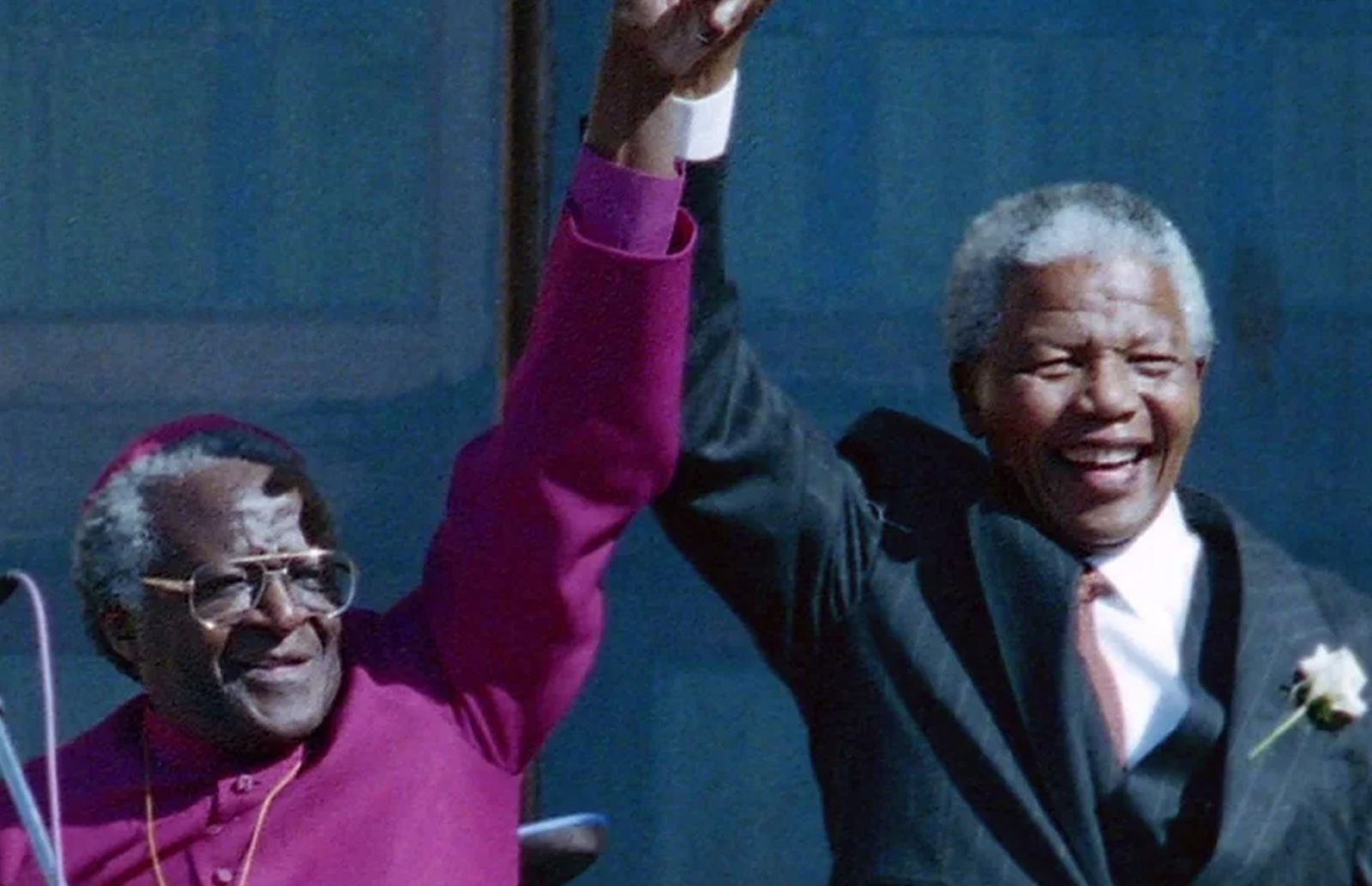
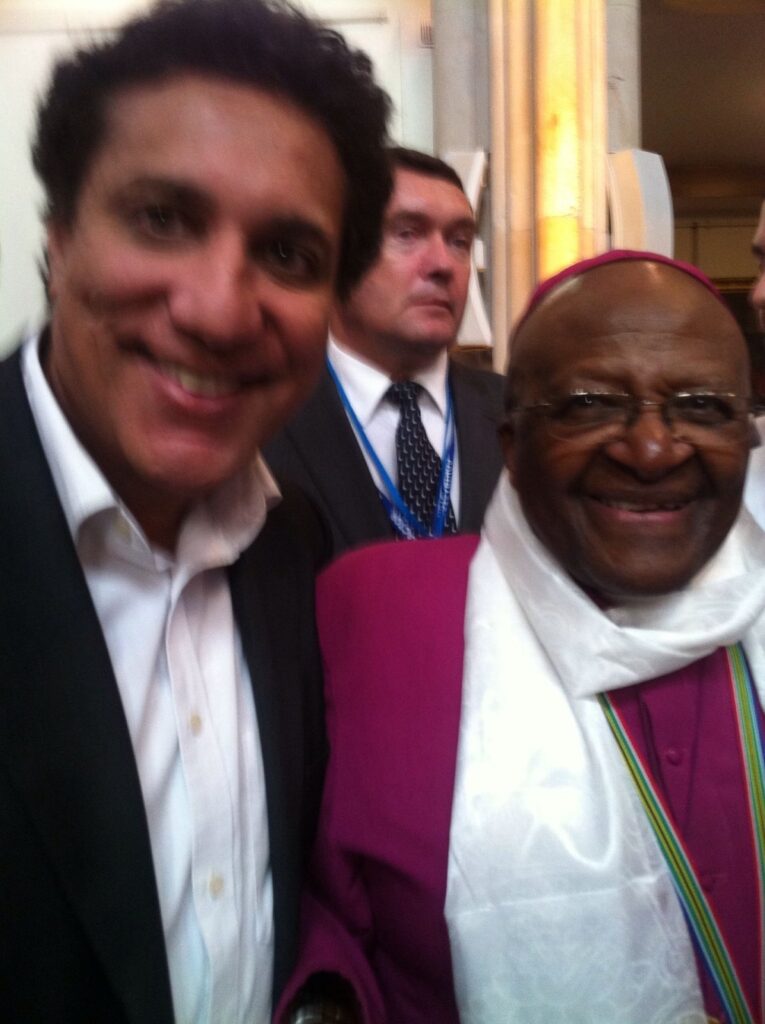
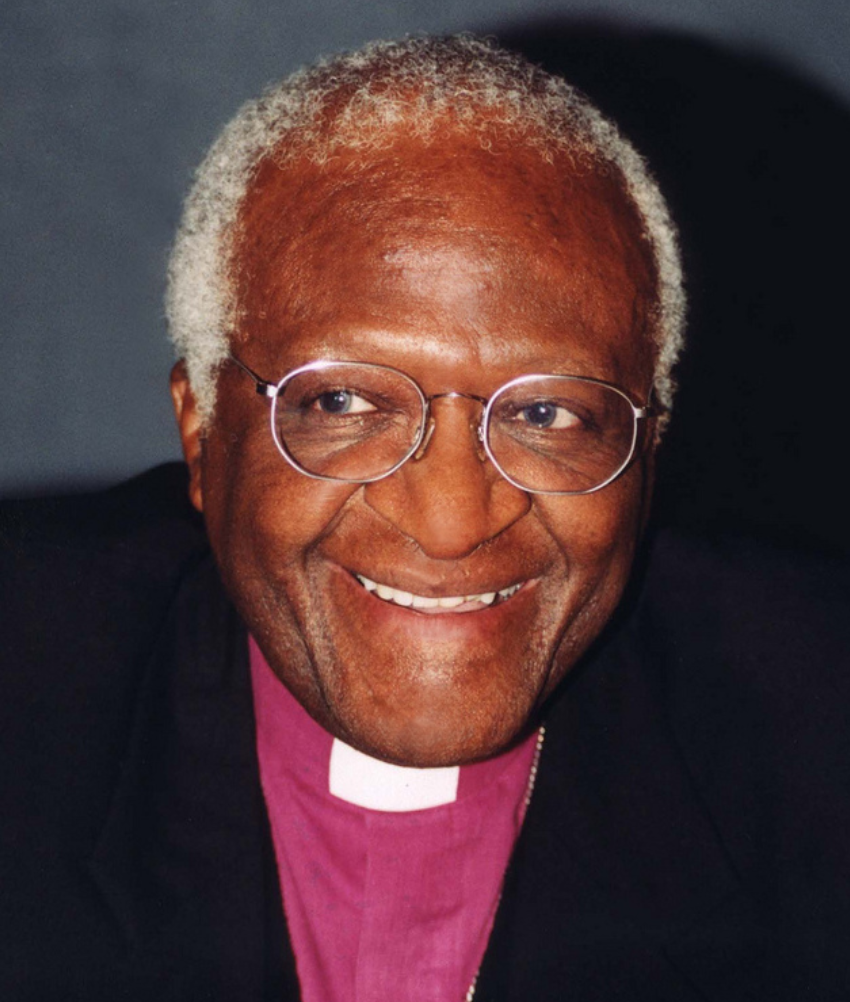
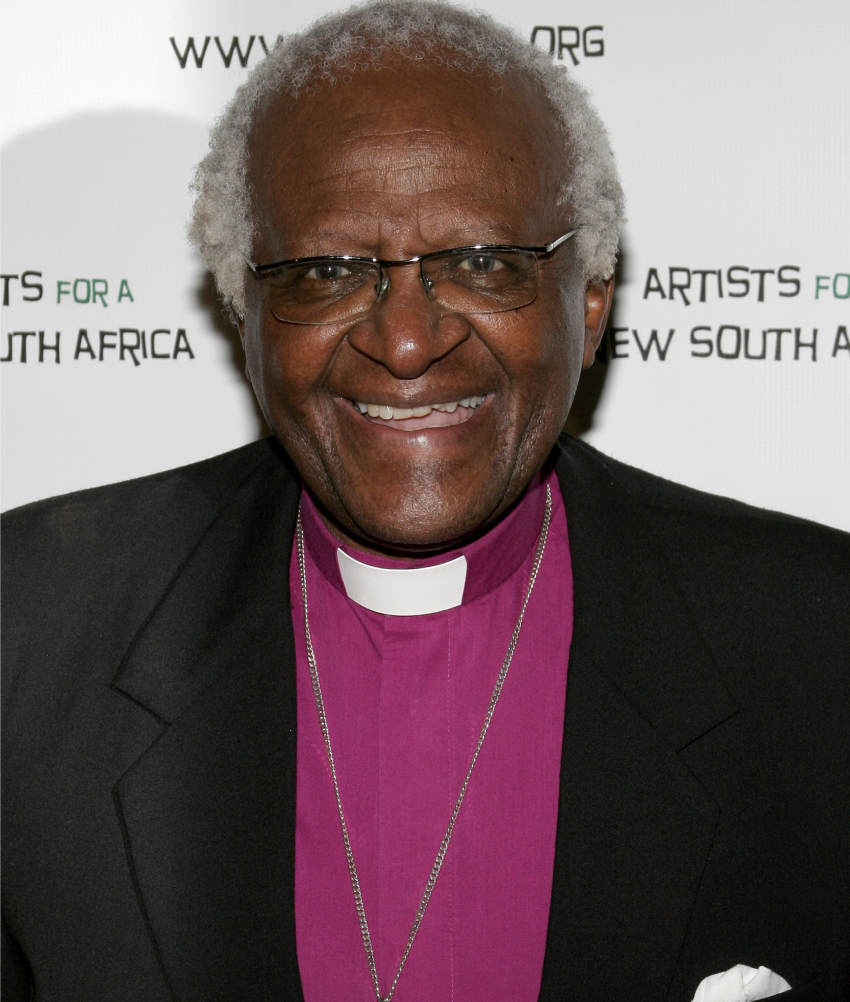
Desmond Tutu was born on 7 October 1931, in Klerksdorp, Transvaal (now North West Province), South Africa. He was a globally celebrated Anglican archbishop, theologian, and activist whose life was devoted to justice, compassion, and the dismantling of spiritual and political oppression. EMMA’s values reflected Desmond’s own goals towards promoting social cohesion within communities, hence his support, alongside our mutual friend, Nelson Mandela.
Desmond was born into a mixed-race family, his early life was shaped by the systemic racism and social inequality that defined South Africa under apartheid. His father, a teacher, and his mother, a domestic worker, instilled in him the values of education, hard work, and compassion.
These formative years in the racially segregated society deeply influenced Desmond’s future work in both religion and activism.
Desmond’s journey into public life began with his education. He attended St. Martin’s School and later the University of the North, where he studied to become a teacher. In 1954, he took a job as a teacher, but his aspirations shifted toward the ministry, leading him to pursue theology.
Desmond went on to study at the University of South Africa, obtaining a theology degree, before furthering his education at the King’s College London and the University of Edinburgh. His education provided him not only with religious insights but also with a deep understanding of the social and political issues that would define his activism.
In 1960, Desmond was ordained as an Anglican priest, and his ministry soon became intertwined with his activism. In the early stages of his career, he served as a priest and teacher, but as he witnessed the deepening divisions caused by apartheid, he grew increasingly outspoken.
By the 1970s, Desmond had risen to prominence within the South African church community. His work with the South African Council of Churches (SACC), an ecumenical organisation that opposed apartheid, marked a pivotal moment in his life. He became known for his outspoken criticisms of apartheid, often denouncing the South African government’s racist policies and calling for international action to end the regime.
In 1975, Desmond was appointed as the first black Dean of St. Mary’s Cathedral in Johannesburg. His visibility within the church, combined with his deep moral convictions, made him an influential voice in the anti-apartheid movement.
Throughout this period, Desmond championed non-violent resistance, advocating for sanctions and boycotts against South Africa. His leadership was critical in organising global support for the anti-apartheid struggle, bringing attention to the plight of South Africa’s black population.
In 1981, Desmond was elected the first black bishop of the Diocese of Johannesburg, and in 1986, he was appointed Archbishop of Cape Town, the highest position in the Anglican Church of Southern Africa.
Desmond’s elevation to Archbishop came at a time when the apartheid government was deeply entrenched, and his leadership proved to be a beacon of hope for those fighting against racial oppression. The position as a religious leader gave him the platform to speak out forcefully against the government’s policies, and he became one of the most recognisable voices calling for change.
Desmond’s advocacy extended beyond his religious duties. He was instrumental in the creation of the United Democratic Front (UDF), a broad anti-apartheid coalition, and worked tirelessly to garner international support for the movement. His calls for divestment, sanctions, and boycotts against South Africa were essential in exerting pressure on the apartheid regime.
Desmond’s moral authority, bolstered by his deep religious faith, was crucial in framing the anti-apartheid struggle as not just a political fight but a moral imperative. His commitment to peaceful resistance, combined with his ability to mobilise global sentiment, made him one of the most respected and powerful figures in the anti-apartheid movement.
In 1984, Desmond received the Nobel Peace Prize, recognising his unwavering commitment to nonviolent resistance and his significant role in the global campaign against apartheid. The award drew international attention to the injustices faced by South Africans under apartheid and affirmed his role as one of the world’s foremost moral leaders. His Nobel address emphasised forgiveness, peace, and reconciliation as essential components of a just society.
When apartheid officially came to an end in 1994, and Nelson Mandela became South Africa’s first black president, Desmond continued to play a central role in the country’s transition to democracy. He was appointed to lead the Truth and Reconciliation Commission (TRC), which sought to address the atrocities committed during the apartheid era.
The TRC, under Desmond’s stewardship, was a groundbreaking effort to heal the nation’s wounds through a process of restorative justice. The commission provided a platform for victims and perpetrators of apartheid-era crimes to come forward, confess their actions, and seek forgiveness. Desmond’s leadership in the TRC helped establish a model for post-conflict reconciliation that would be emulated in other parts of the world.
Desmond’s focus was not on retribution but on healing, and his deep Christian faith underpinned his calls for forgiveness and restorative justice.
Desmond’s impact extended far beyond South Africa. He became a global voice for human rights, advocating for peace, justice, and the dignity of all people. He spoke out on issues such as the Israeli-Palestinian conflict, the war in Iraq, and the plight of refugees.
Desmond’s opposition to global injustice, combined with his commitment to a peaceful and inclusive world, earned him admiration from leaders and citizens across the globe.
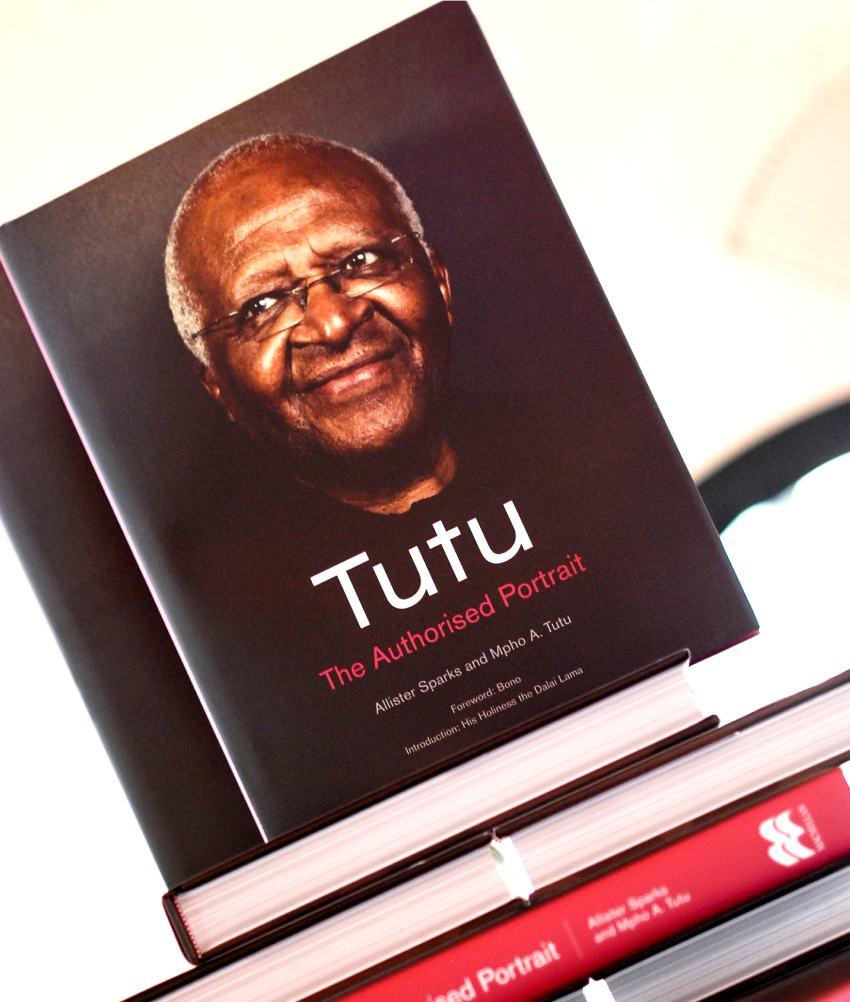
Throughout his life, Desmond also wrote extensively, producing several books that reflect his philosophical and theological beliefs, as well as his experiences during the struggle against apartheid. His works, such as No Future Without Forgiveness, The Book of Joy (which was co-authored with the Dalai Lama), and God Is Not a Christian, have inspired readers worldwide, offering insights into his vision for a just and peaceful world.
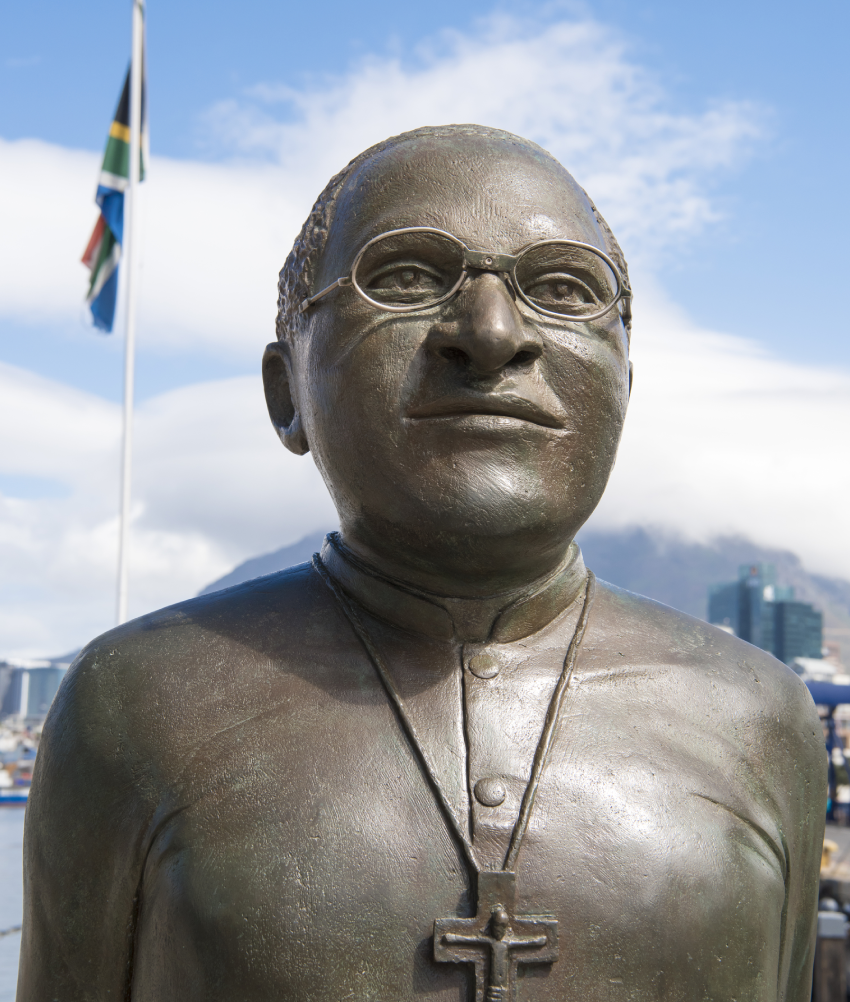
Desmond Tutu passed away on 26 December 2021, at the age of 90, leaving behind an extraordinary legacy of peace, justice, and reconciliation. His contributions to the end of apartheid, his advocacy for human rights, and his tireless work for a more just world have cemented his place as one of the most significant figures of the 20th and 21st centuries.
Desmond Tutu’s life serves as a beacon of moral courage, reminding the world of the power of faith, forgiveness, and unwavering dedication to justice.