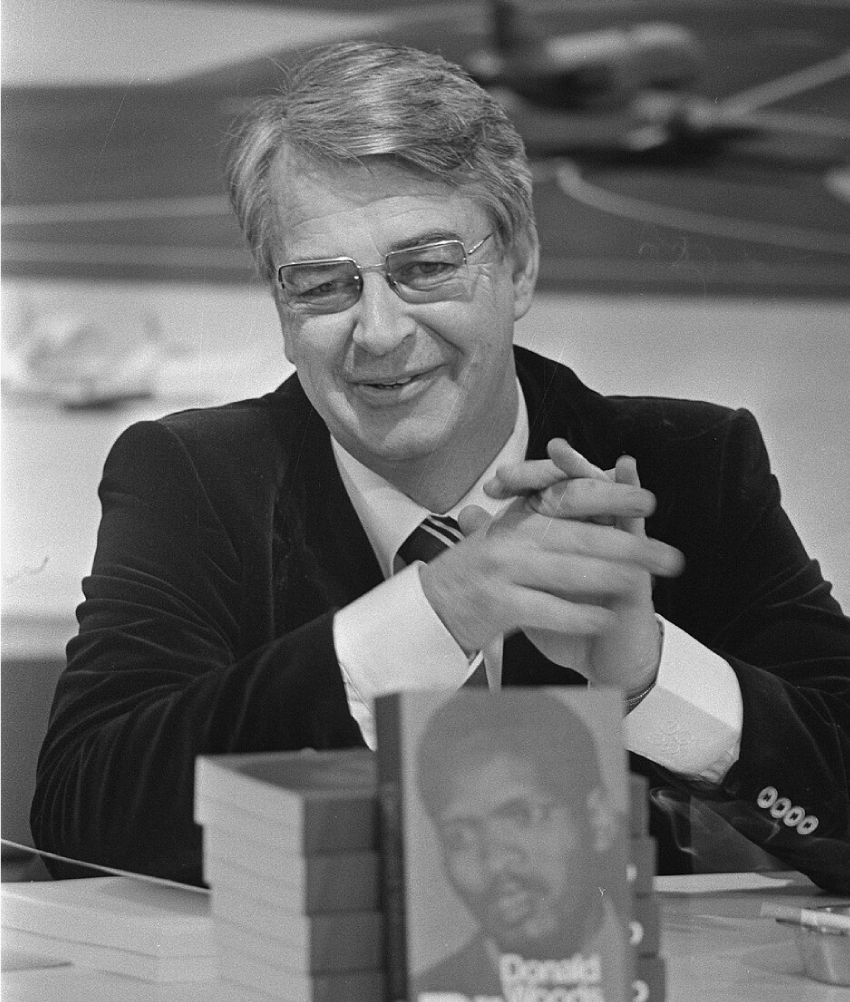
Donald Woods CBE
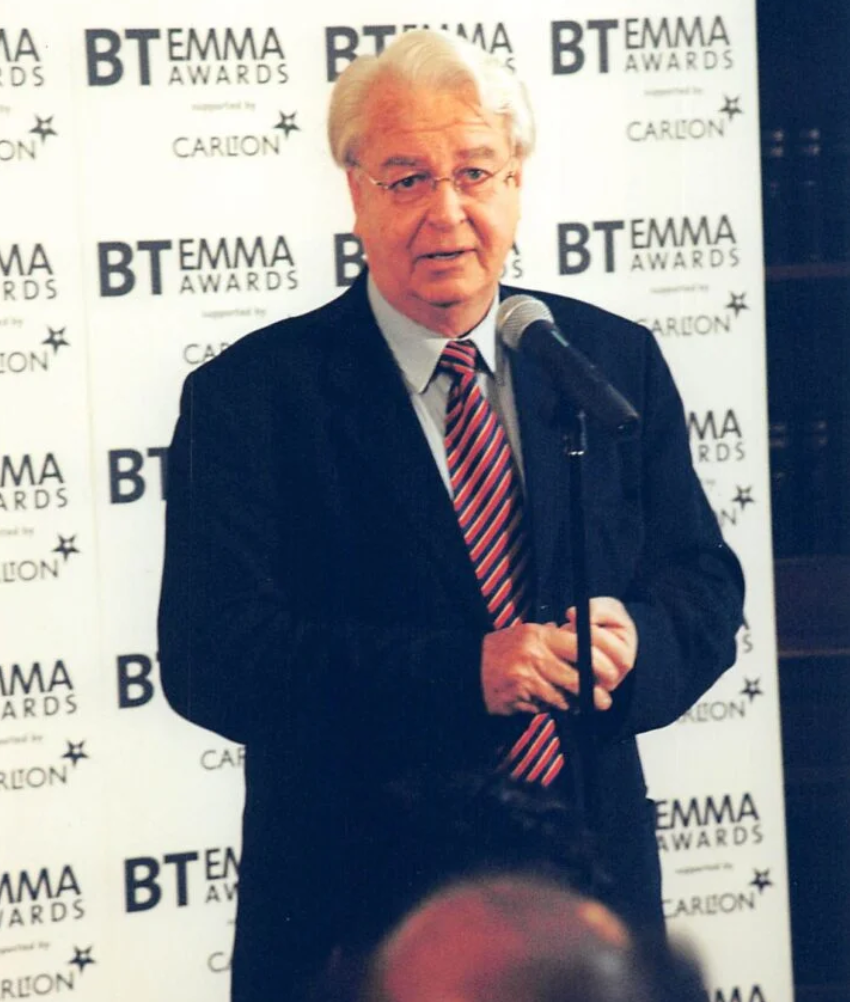
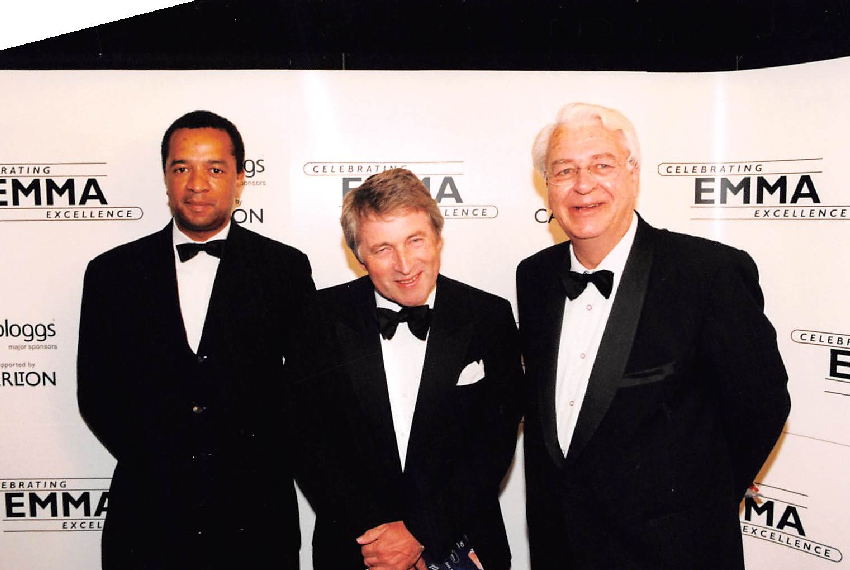
EMMA Supporter
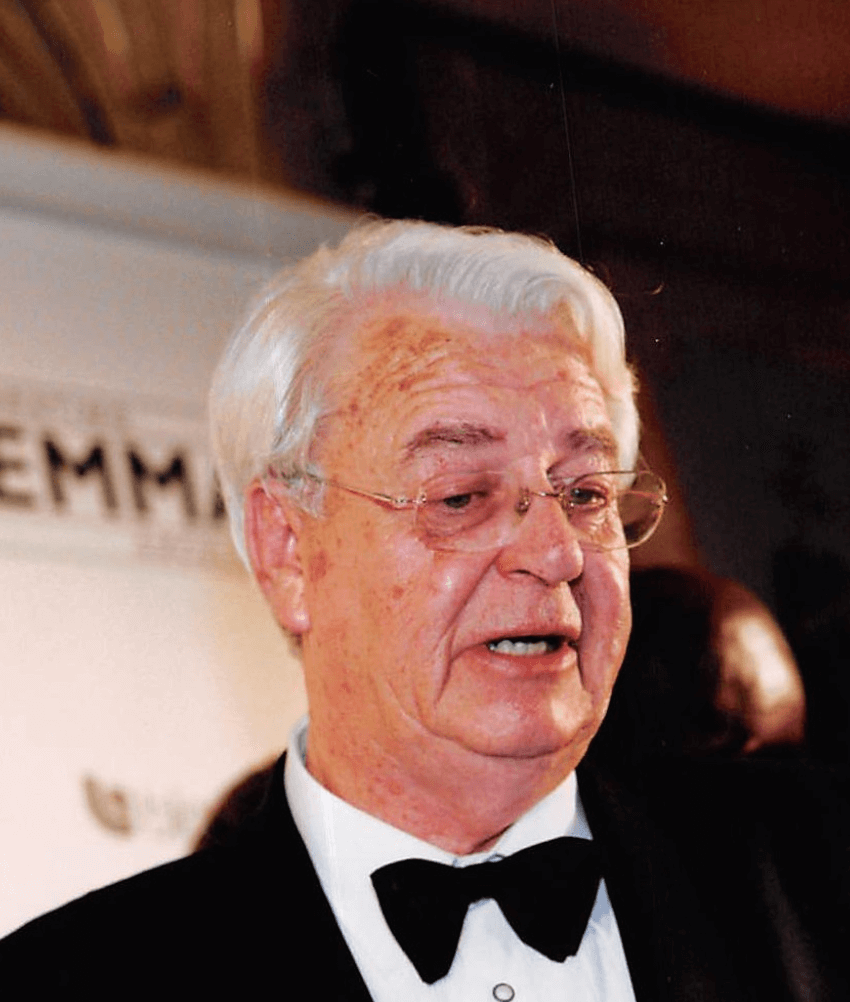
Donald Woods was born on 15 December 1933 in Hobeni in the Transkei region of South Africa; he emerged as one of the most courageous and influential anti-apartheid journalists of the 20th century who helped end Apartheid. Donald supported EMMA and understood the need for EMMA’s campaign to promote social cohesion within society and the creative industry. He was a great campaigner for ethical journalism, because this supported democracies against tyranny.
media industry and beyond, as he had experienced the destruction of division created by the murder of his friend Steve Biko in the hands of the racist South African state. Any hate can only lead to local and even global conflicts.
Donald’s wife, Wendy Woods, was a courageous South African educator, classical musician, and passionate anti-apartheid activist. She studied music at Trinity College London before returning to South Africa, where she became deeply involved in human rights work through the Black Sash movement. Alongside her husband Donald, she risked her safety to support political prisoners and promote justice. After fleeing to the UK with her family in 1977, Wendy continued her activism, working with Amnesty International and later co-founding the Donald Woods Foundation to support health and education initiatives in the Eastern Cape. She was also a great supporter of EMMA.
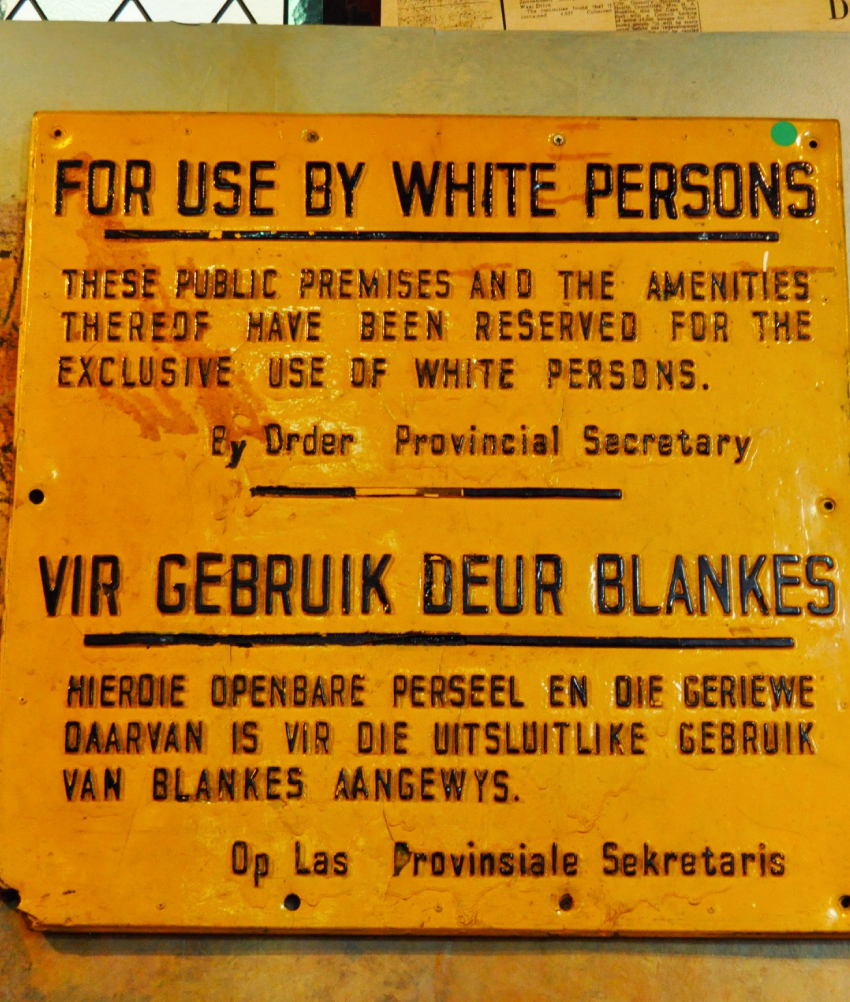
As the editor of the Daily Dispatch, a liberal newspaper based in East London, Donald used the power of the press to challenge one of the most entrenched systems of institutionalised racism in the world. His life was defined by his unwavering commitment to justice, truth, and freedom of expression during a time when South Africa was gripped by repression and fear.
Donald was born into a white South African family of British descent. He was raised in the Eastern Cape, an area with a significant Black South African population, which exposed him early on to the inequalities of South African society.
Donald was educated at Christian Brothers College in Kimberley and studied law at the University of Cape Town. Although he began his career in journalism working for various newspapers in South Africa and abroad, including Fleet Street in London, his appointment in 1965 as editor of the Daily Dispatch would define his professional legacy.
At the Dispatch, Donald began to build a reputation as a bold and progressive editor who refused to conform to the apartheid government’s propaganda. He broadened the newspaper’s editorial stance to include voices and perspectives that were typically silenced in South African media, and he used the platform to highlight injustices against Black South Africans.
Under Donald’s leadership, the Dispatch became one of the few newspapers willing to openly critique apartheid. He was among the first white editors to hire Black South African journalists and photographers, giving them bylines and proper recognition in an era when that was almost unheard of.
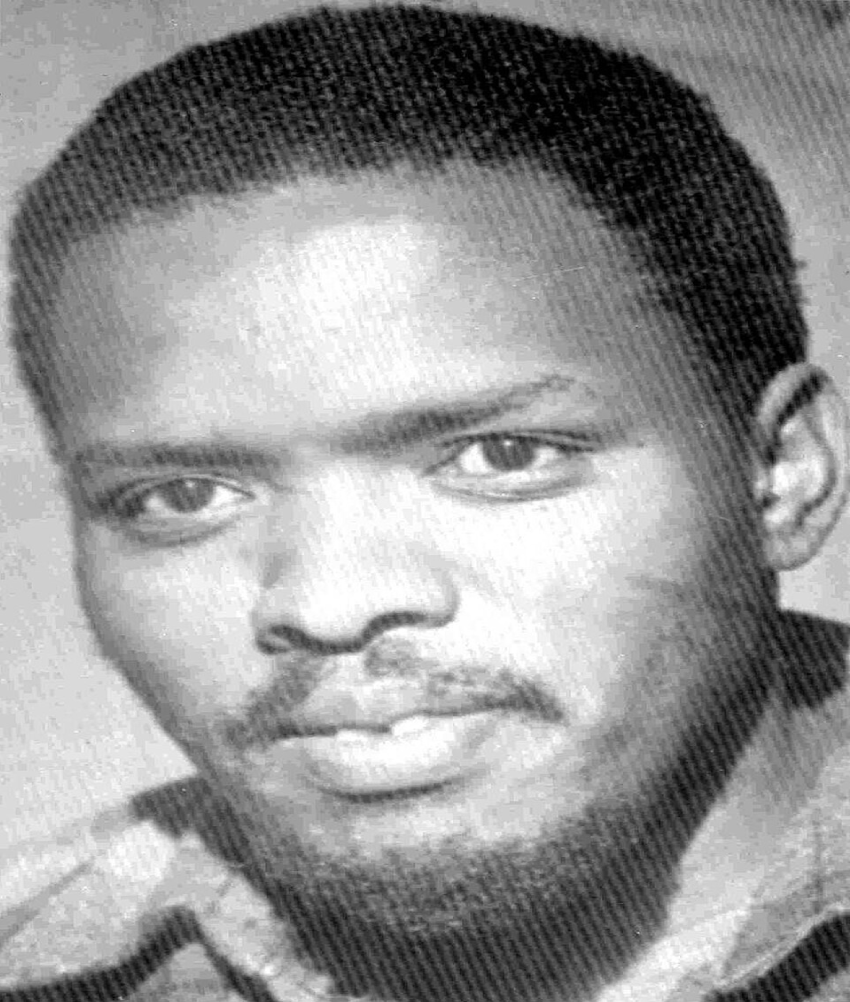
A significant turning point in Donald’s life came in 1975 when he met Steve Biko, the charismatic leader of the Black Consciousness Movement. At first critical of Steve’s ideas, Donald met him personally, and the two men formed a close friendship that profoundly influenced Donald’s understanding of the Black South African liberation struggle.
Donald grew to admire Steve’s intellectual depth, moral clarity, and unrelenting commitment to nonviolent resistance. As their friendship developed, Donald became one of Steve’s most prominent allies in the white liberal community. He used his newspaper to publish Steve’s views and to amplify the voice of the Black South African Consciousness Movement despite increasing pressure from the racist “White” South African government that enforced Apartheid.
Tragically, Steve Biko was arrested and brutally beaten by police in 1977, later dying in custody on 12 September of that year. Donald was among the first to speak out about Biko’s death, challenging the official account and publishing photos of Biko’s battered body to show the truth to the world. These actions put him directly in the crosshairs of the “White” apartheid regime.
The government placed Donald under a five-year banning order, severely restricting his movement, writing ability, and public communication. Realising that his life and his family were in danger, he made a dramatic and daring escape from South Africa at the end of 1977. Disguised as a priest and with the help of sympathetic anti-apartheid activists, he fled over the border into Lesotho and was later granted asylum in the United Kingdom.
In exile, Donald continued his campaign against apartheid with renewed vigour. He became an international spokesperson for the anti-apartheid cause, travelling widely to speak, write, and educate audiences about the realities in South Africa.
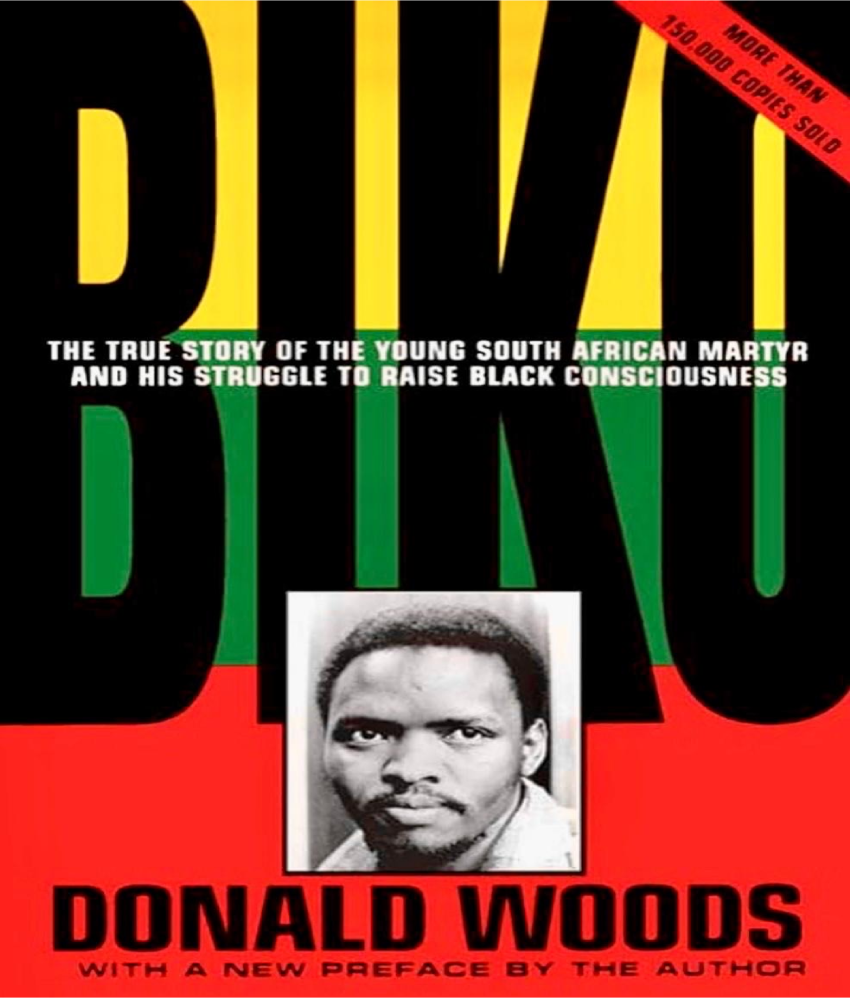
Donald’s book Biko, published in 1978, provided a powerful biography of Steve Biko and exposed the brutality of apartheid to an international readership. The book was later adapted into the acclaimed 1987 film Cry Freedom, directed by Richard Attenborough, who later became Lord Attenborough. Kevin Kline portrayed Donald Woods, and Denzel Washington played Steve Biko.
The film dramatically brought the story of South Africa’s struggle for liberation to global cinema audiences and intensified pressure on the apartheid regime that eventually broke out in the 1990s.
Throughout the 1980s, Donald remained a tireless advocate for South Africa’s liberation, lobbying governments, addressing the United Nations, and appearing regularly in the media to raise awareness of apartheid’s cruelty. Hence supporting the EMMA work from the very start.
Donald developed strong ties with the African National Congress and international leaders, including U.S. President Jimmy Carter and UK Prime Minister Margaret Thatcher, pushing for sanctions and other measures to isolate the South African regime. Despite living in exile, he maintained close contact with developments in his homeland and consistently used his voice to advocate for peaceful change and reconciliation. This was also achieved through his hard work.
With the end of apartheid and Nelson Mandela’s election in 1994, Donald returned to South Africa, where he was warmly welcomed as a hero who had risked everything to oppose tyranny.
Nelson Mandela himself had long regarded Donald as a principled and courageous ally. In 1999, Donald was awarded the Star of South Africa, the country’s highest civilian honour, for his contributions to justice and human rights. He also received a CBE (Commander of the British Empire) in 1990 for his longstanding services for Human Rights as reflected by EMMAs work.
In his later years, Donald continued to write and speak publicly, championing causes such as press freedom, racial equality, and democratic governance. He also established the Donald Woods Foundation, a charity dedicated to improving healthcare, education, and development in impoverished rural communities, particularly in the Eastern Cape, where he had begun his journey.
Donald Woods sadly passed away on 19 August 2001, in London, at the age of 67, after battling cancer. His life remains a shining example of journalistic integrity, moral courage, and the power of friendship across racial lines. He stood unwaveringly for the truth during one of the darkest chapters of South African history, and his voice helped to turn the tide of international opinion against apartheid.
Through his writing, advocacy, and unbreakable resolve, Donald Woods contributed profoundly to the liberation of South Africa. He left an enduring legacy as one of the great champions of human rights in the modern era.