Imran Khan
EMMA Supporter
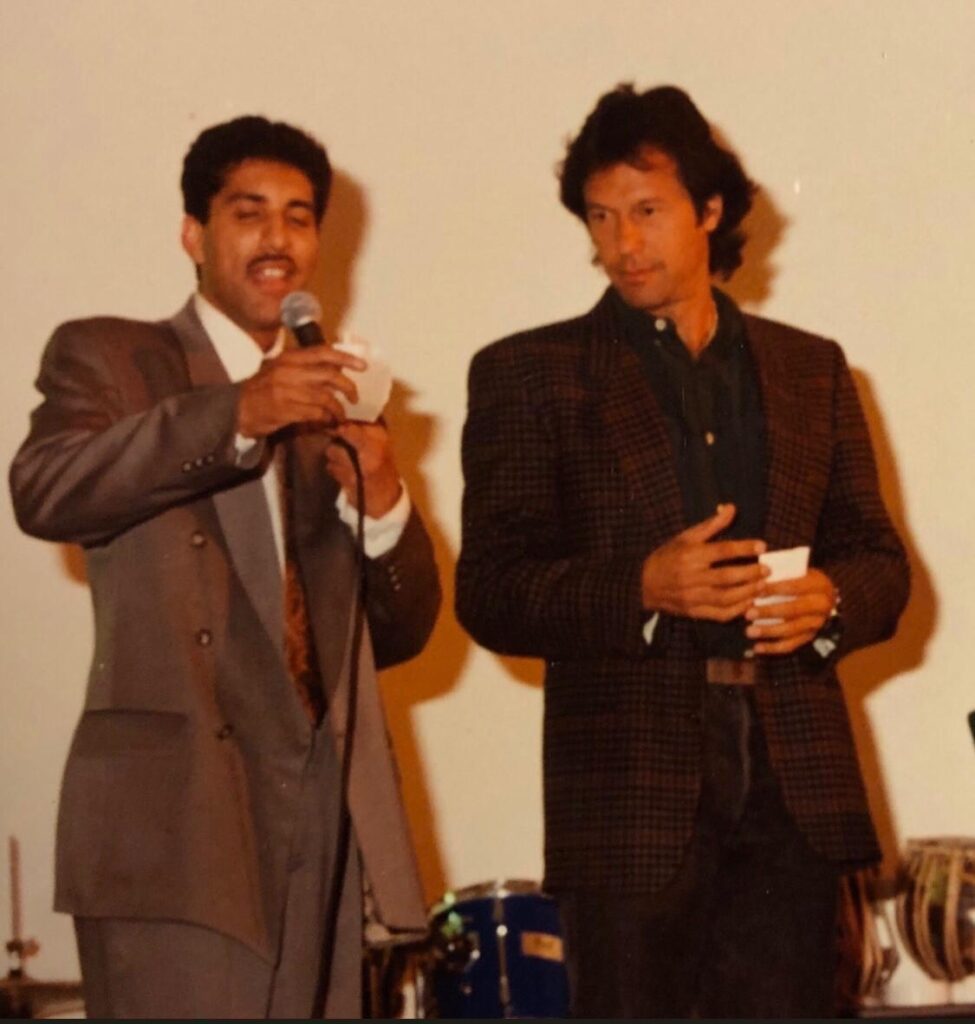
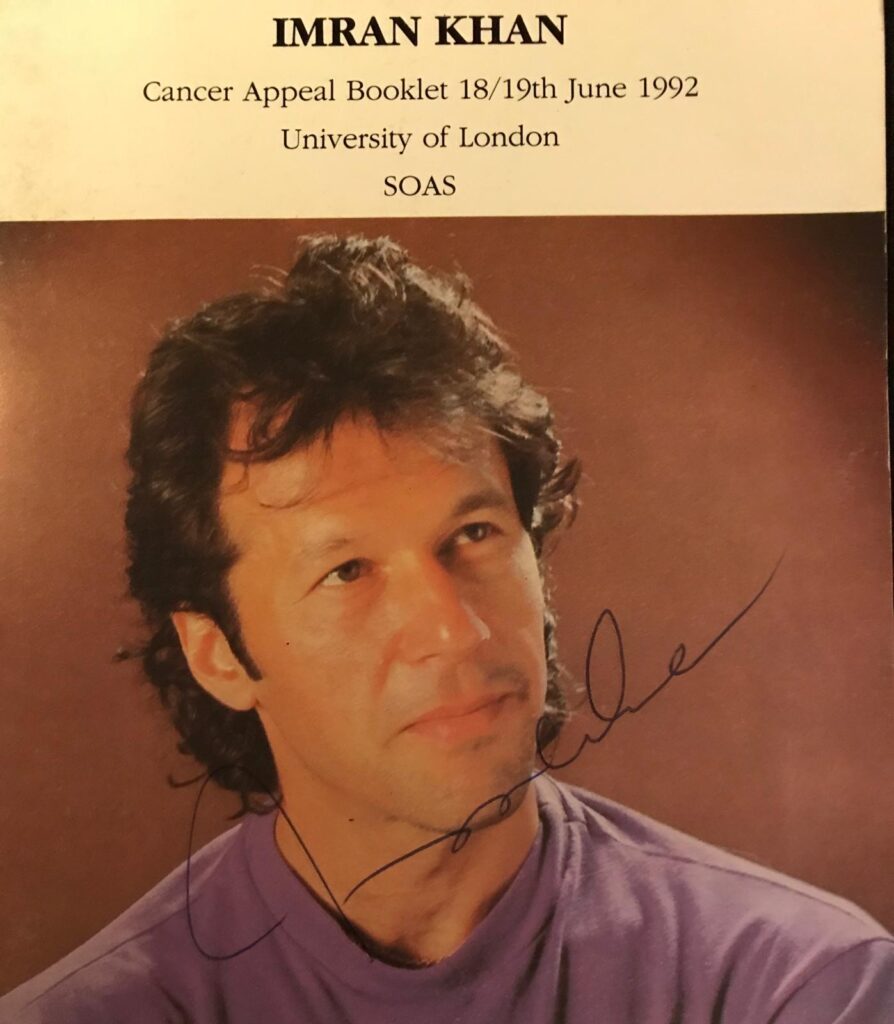
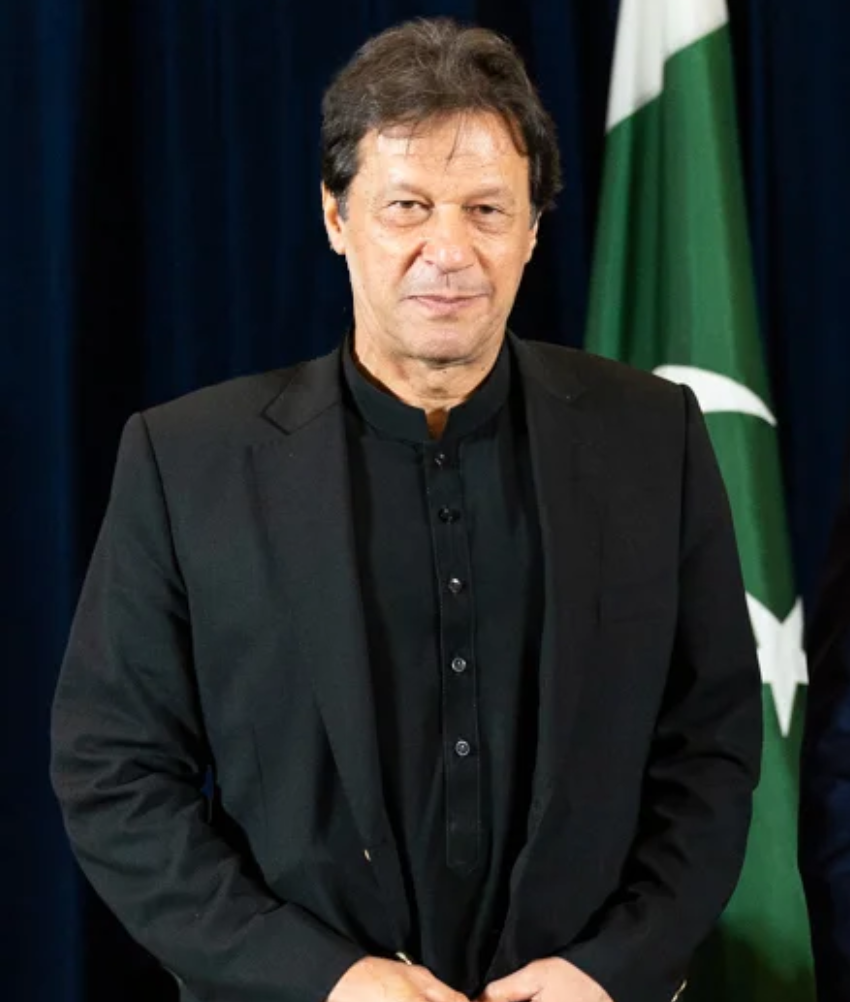
Imran Khan, born as Imran Ahmed Khan Niazi on 5 October 1952, in Lahore, Pakistan, is an iconic figure whose remarkable journey has encompassed the worlds of international sport, philanthropy, and politics, profoundly influencing Pakistan’s national identity. EMMA helped to raise money for his Cancer Hospital in 1992, which supported his Humanitarian objectives. He was very supportive of EMMA’s UK campaigns to promote social cohesion within communities.
Imran comes from a well-educated Pashtun family of the Niazi tribe. He was educated at Aitchison College in Lahore and then at the Royal Grammar School in Worcester, England, before proceeding to Keble College, Oxford, where he studied Philosophy, Politics, and Economics, graduating in 1975.
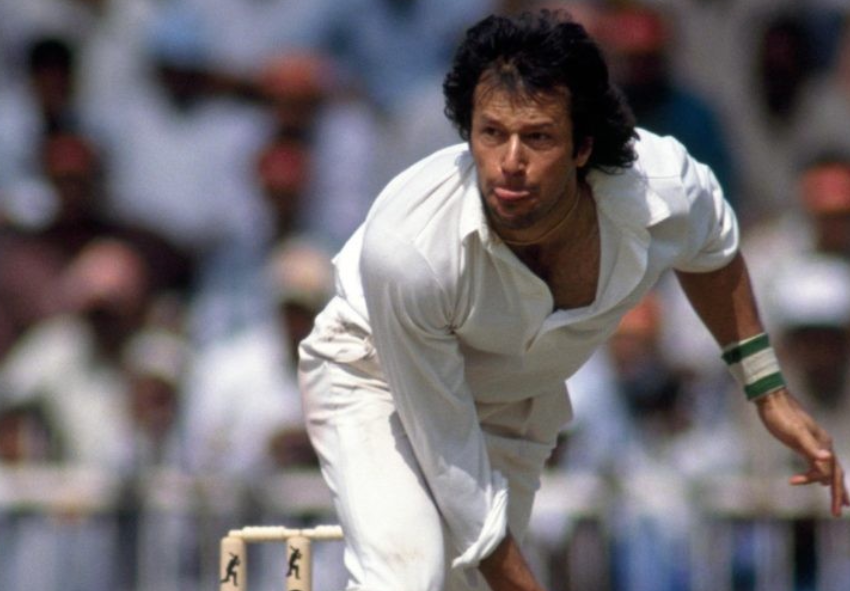
Imran’s cricket career began in earnest in 1971 with his debut for the Pakistan national team and blossomed into one of the greatest in the sport’s history. As a charismatic all-rounder, he captained Pakistan to its first and only Cricket World Cup victory in 1992, becoming a national hero and an international sporting legend.
Known for his fierce competitiveness, tactical acumen, and leadership skills, Imran played 88 Test matches and 175 One-Day Internationals, securing a reputation as one of cricket’s finest all-rounders.
Following his retirement from cricket, Imran dedicated himself to philanthropy, realising his vision of building Pakistan’s first state-of-the-art cancer hospital, the Shaukat Khanum Memorial Cancer Hospital & Research Centre. The hospital opened in Lahore in 1994 and later expanded with branches in Peshawar and Karachi, providing free or subsidised cancer treatment to thousands.
In 2008, Imran founded Namal College in his ancestral district of Mianwali, aiming to offer quality higher education to students from rural backgrounds. Later, he envisioned the broader Namal Knowledge City project, a major educational initiative.
Driven by a deep commitment to social justice and national reform, Imran founded the Pakistan Tehreek-e-Insaf (PTI) political party in 1996. The party promotes an agenda of anti-corruption, meritocracy, and welfare for the marginalised.
PTI rose to prominence after many years of political perseverance, marked by Imran’s refusal to compromise on his ideals despite early electoral setbacks. This culminated in Imran’s election as the 22nd Prime Minister of Pakistan in August 2018 after a sweeping general election victory.
As Prime Minister, Imran championed a vision for a “Naya Pakistan” (New Pakistan), focusing on building a welfare state inspired by Islamic principles of justice and compassion, implementing programs such as the Ehsaas Programme to assist people experiencing poverty, the Sehat Sahulat Program for healthcare access, and launching the largest reforestation initiative in Pakistan’s history through the Billion Tree Tsunami project to combat climate change.
Imran sought to restructure Pakistan’s economy through reforms, encouraged investment, bolstered Pakistan’s international image, and pursued an independent foreign policy to balance relations with major powers while advocating for peace in South Asia.
Imran’s government also emphasised digital transformation, tourism promotion, and expanding Pakistan’s global cultural footprint. His leadership during the COVID-19 pandemic received international recognition for its effective management relative to regional peers, particularly through the smart lockdown policy.
However, in April 2022, Imran was ousted from office through a parliamentary no-confidence vote, an event that he and his supporters viewed as politically motivated. Despite this, he remained a highly influential figure in Pakistani politics, galvanising a large public following and advocating for institutional reforms and national sovereignty.
Imran has been known for his philanthropic passion, deep spirituality, and evolving political thought. His marriages, including to Jemima Goldsmith and later Bushra Bibi, have attracted significant public interest, though Imran has largely maintained a focus on his political and national mission.
Imran has received numerous accolades throughout his life, including honorary degrees and international awards for his contributions to sport, healthcare, education, and governance.
As of 2025, Imran Khan remains a deeply influential figure in Pakistan and internationally, admired for his resilience, vision for national transformation, and extraordinary journey from sporting greatness to leading a nation striving for reform and renewal.