Ray Charles
EMMA Supporter
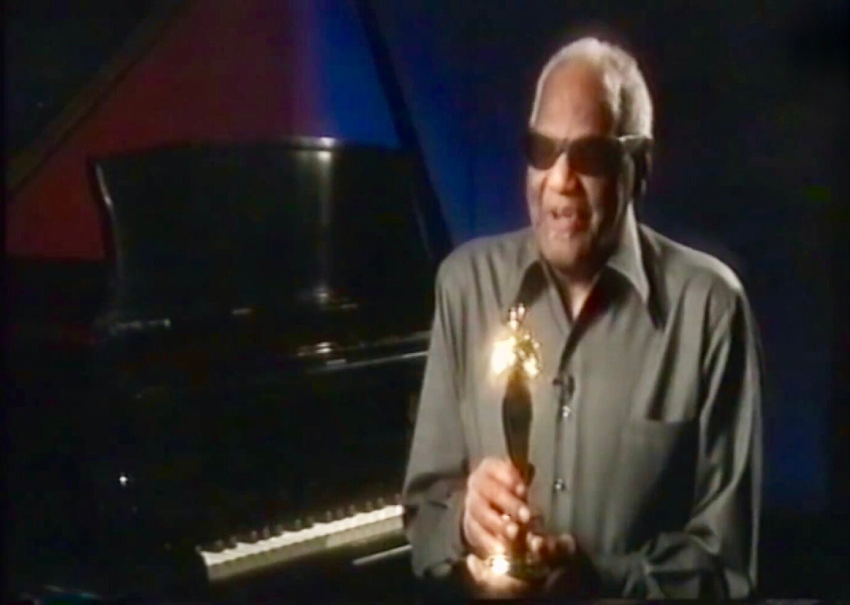
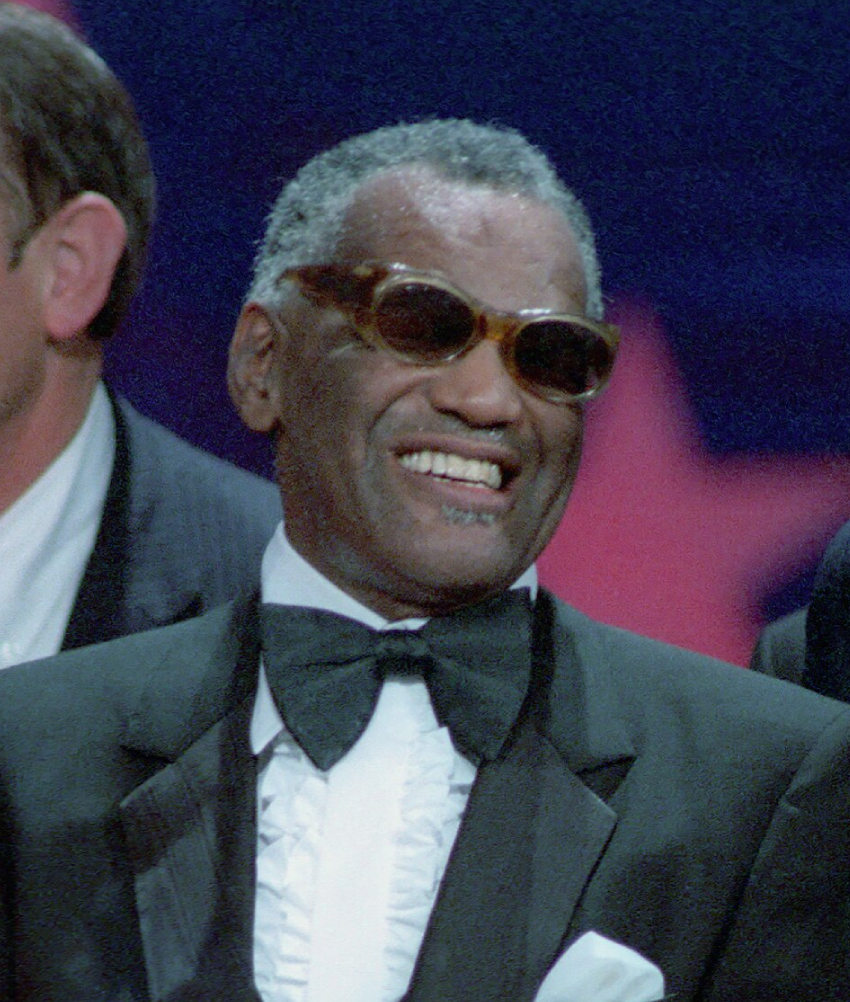
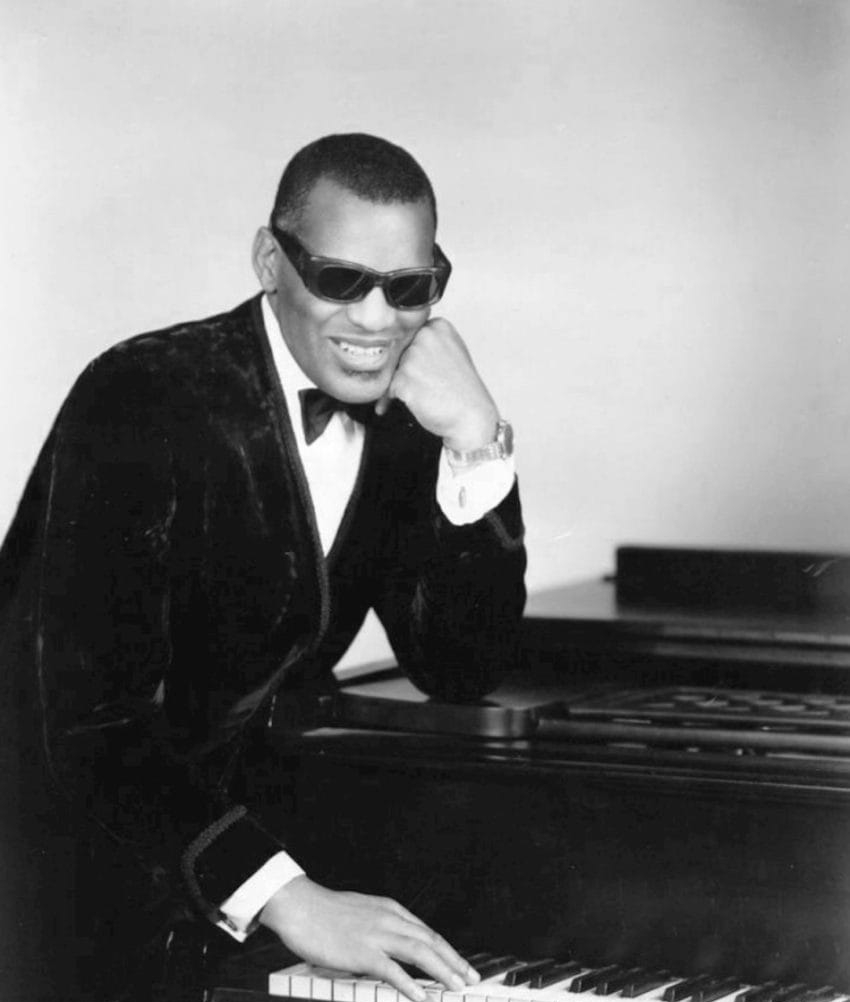
Ray Charles is an American Singer and Songwriter. He is a pioneer who helped shape the music industry in the US and beyond through his iconic vocals and lyrics. He supported EMMA and immediately felt affinity with the EMMA initiative as it resonated with his own objectives to promote social cohesion within society and throughout the creative industries – he wanted the EMMA show to continue for over 100 years to support our collective desire for social harmony.
Ray Charles Robinson was born in Albany, Georgia; his father was a laborer, and his mother was a laundress. In his early years, Ray’s musical curiosity was sparked at Wylie Pitman’s Red Wing Cafe, at the age of three, when Pitman played boogie woogie on an old upright piano; Pitman subsequently taught Charles how to play the piano.
Ray started to lose his sight when he was young and was blind by the age of seven. As a result, he attended the Florida School for the Deaf and the Blind in St. Augustine from 1937 to 1945.
At the age 16, Ray moved to Seattle and met a young Quincy Jones, who would later become a friend and future music collaborator.
Ray performed with the McSon Trio in the 1940s and later developed his distinctive sound. In 1949, he released his first single, “Confession Blues,” with the Maxin Trio, and it did well on the R&B charts. In 1953, Ray landed a deal with Atlantic Records.
In 1955, Ray’s song, “I Got a Woman,” reached No. 1 on the R&B charts and reflected an advance in his musical style as his fusion of gospel and R&B helped to create and pioneer a new musical genre at the time, now known as soul.
By the late 1955s, fellow musicians called Ray “The Genius,” his ability to cross over into pop music became apparent when his hit song “What’d I Say” reached No. 6 on the pop chart and No. 1 on the R&B chart.
In 1960, Ray won his first Grammy Award for the song “Georgia on My Mind,” followed by another Grammy for the now iconic single “Hit the Road Jack.” Ray even lent his voice to the civil rights movement, financially supporting Martin Luther King, Jr., and refusing to play for segregated concerts in 1961.
In 1978, Ray released his autobiography Brother Ray. In the 1980s, Ray appeared in the comedy film The Blues Brothers and became among the first to be inducted into the Rock and Roll Hall of Fame.
Ray founded the Ray Charles Foundation, financially supporting institutions and organisations researching hearing disorders.
Ray Charles made several high-profile appearances during the 1990s, including in commercials for Pepsi-Cola, where he sang “You Got the Right One, Baby!” as his catchphrase, and a performance of “We Are the World” for USA for Africa alongside Billy Joel, Diana Ross, Cyndi Lauper, and Bruce Springsteen.
Ray Charles has received the Kennedy Center Honors, the National Medal of Arts, the Polar Music Prize, 18 Grammy Awards, and the Grammy Lifetime Achievement Award
On 10 June 2004, Ray Charles sadly passed away at his home in Beverly Hills, California. More than 1,500 people attended his funeral, and B.B. King, Willie Nelson, and Stevie Wonder performed during the service. His final album, “Genius Loves Company,” was released two months after his death, and a film titled “Ray,” which details his life story and stars Jamie Foxx as Ray Charles himself, was released later in 2004.
In 2007, the Ray Charles Plaza was opened in Albany, Georgia. It features a revolving, lighted bronze sculpture of Charles seated at a piano.
In 2022, Ray was posthumously inducted into the Country Music Hall of Fame and the Black Music & Entertainment Walk of Fame.
Ray Charles’ legacy continues to live on in today’s world. He has become well known for breaking down many barriers as a musician and an African American icon.