Tony Benn
EMMA Supporter
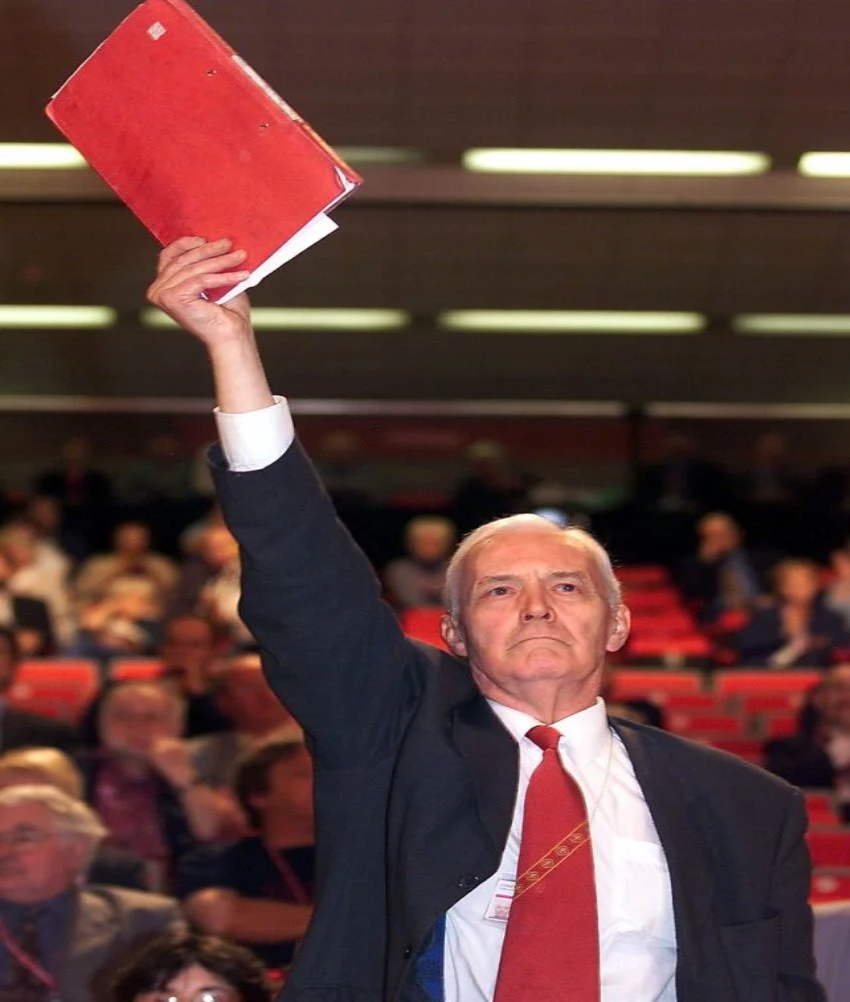
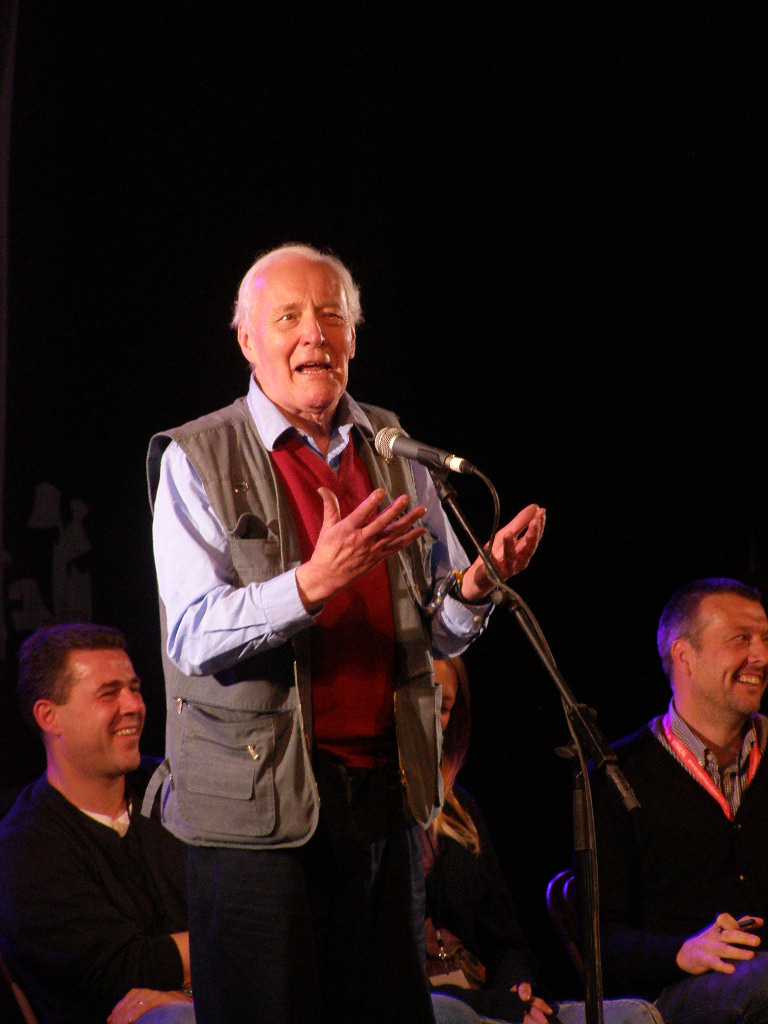
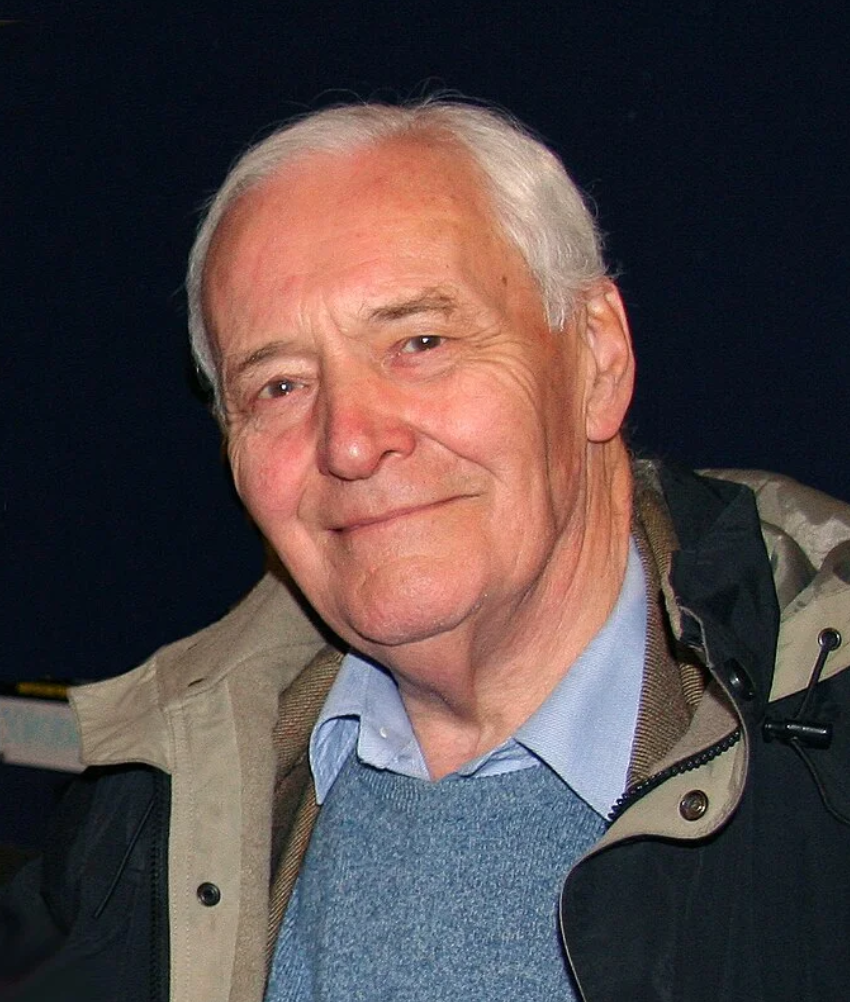
Tony Benn, born Anthony Neil Wedgwood Benn on 3rd April 1925 in London, England, was a prominent and fiercely dedicated British politician whose long career left a lasting imprint on the political landscape of the UK. He supported the EMMA social cohesion campaign for a better society and appeared on an EMMA talk show and participated in a conference on the London 2011 riots at the University of London organised by EMMA to save the 2012 Olympic Games.
The riots, caused by the 2008 economic crash due to the banking crisis, could have jeopardised the London 2012 Multicultural Olympic Games the following year. He had graced EMMA with his presence at the EMMA TV Shows.
Tony was the eldest son of Sir John Benn, a Labour MP and a hereditary peer, which initially placed him within the British aristocracy. However, in 1963, John’s political path took a radical turn when he renounced his inherited title, the 2nd Viscount Stansgate, to remain an MP, a rare and symbolic act of commitment to democratic principles over aristocratic privilege.
Tony became a passionate advocate for socialism, believing the state should use its power to protect the working class and reduce economic inequality. Tony Benn was elected as a Labour MP in 1950, and by his thirties, he had already established himself as a rising star in the Labour Party.
Tony served in multiple ministerial roles under Prime Ministers Harold Wilson and James Callaghan, including as the Minister of Technology and Postmaster General during the 1960s and early 1970s. As a cabinet minister, he played a critical role in the nationalisation of industries such as the coal and steel sectors and was instrumental in establishing the Open University.
During the 1970s and 1980s, Tony became one of the most prominent figures in the Socialist wing of the Labour Party. His advocacy for democratic socialism, public ownership of resources, and the power of unions made him a key figure in the battle for the party’s soul, often clashing with more centrist figures, such as those who supported the shift towards a more Thatcherite approach under leaders such as Tony Blair.
Tony was an ardent critic of Thatcherism and opposed the privatisation of public assets, firmly believing in the need for radical social change. In the 1980s, he gained significant influence within the Labour Party, becoming the leader of the “left-wing” faction and the ideological spearhead of the Labour Left. His charismatic and fiery speeches and writings helped to solidify his status as a beloved figure among grassroots Labour supporters and the working class.
Tony’s political career also saw him leading in international politics. He was an outspoken critic of British foreign policy, especially regarding the United States and its involvement in wars around the world.
Tony opposed the Vietnam War, NATO’s intervention in Kosovo, and the Gulf War, and later campaigned against the Iraq War in the early 2000s, reflecting his staunch anti-imperialist and pacifist views. He was known for his principled stance on non-intervention and his calls for a world based on peace and mutual respect among nations.
Tony also strongly advocated for environmental sustainability, calling for a more responsible approach to industrialisation and a society prioritising future generations’ welfare.
Throughout his life, Tony was deeply involved in the intellectual side of politics, producing numerous books and speeches that outlined his vision for a more just and egalitarian society.
Tony’s books, including Arguments for Socialism and Letters to My Grandchildren, have inspired generations of political thinkers and activists.
Despite his influence on political discourse, Tony remained a challenging figure within the Labour Party, especially during the 1980s and 1990s when he was a vocal critic of the party’s shift towards the centre under leaders like Neil Kinnock and Tony Blair.
Nevertheless, Tony’s legacy as a tireless advocate for workers’ rights, social justice, and democratic socialism has been celebrated by many, particularly within the left wing of the political spectrum.
Tony’s dedication to politics was unwavering, and even in his later years, he remained a vital voice in British politics. After retiring from frontline politics in 2001, he continued to lecture, write, and speak out on various issues, from the erosion of civil liberties to the dangers of unchecked capitalism.
Tony Benn sadly passed away on 14th March 2014 at 88, leaving behind a rich legacy of social activism and political thought. His life was a testament to the power of conviction, and he is remembered as one of the most influential left-wing politicians in modern British history.
Tony’s legacy still lives on, particularly in social justice, democratic participation, and the rights of the working class. His advocacy for radical change continues to inspire activists and politicians today.