Yusuf/Cat Stevens
EMMA Supporter
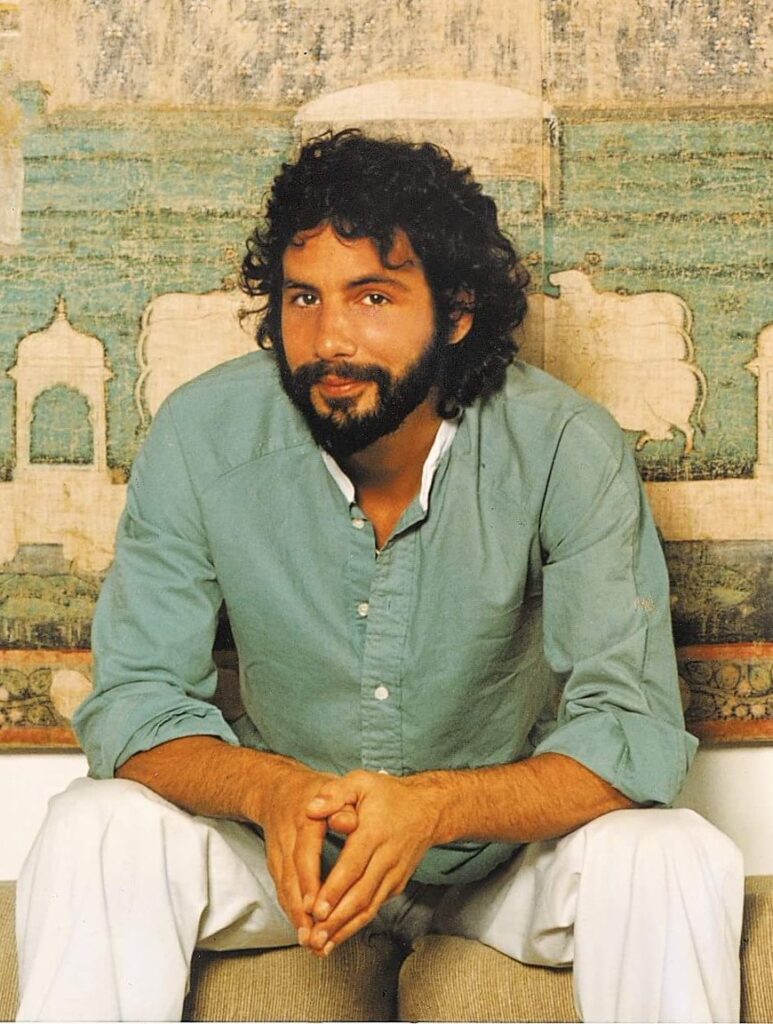
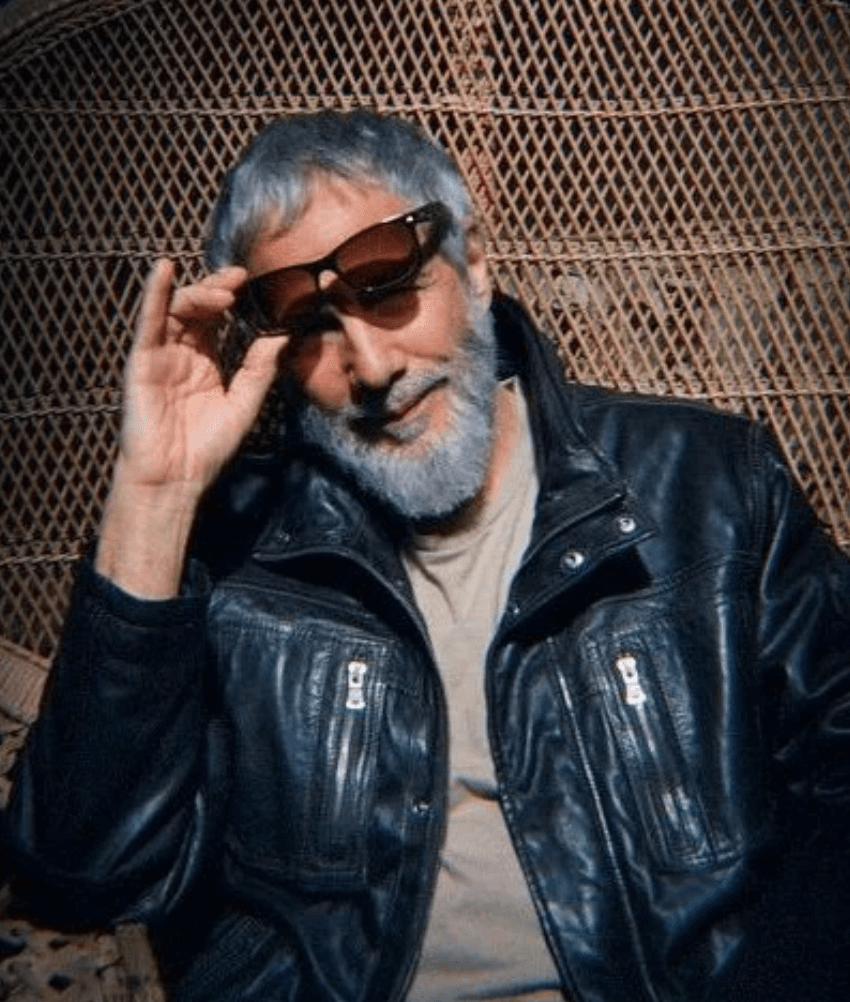
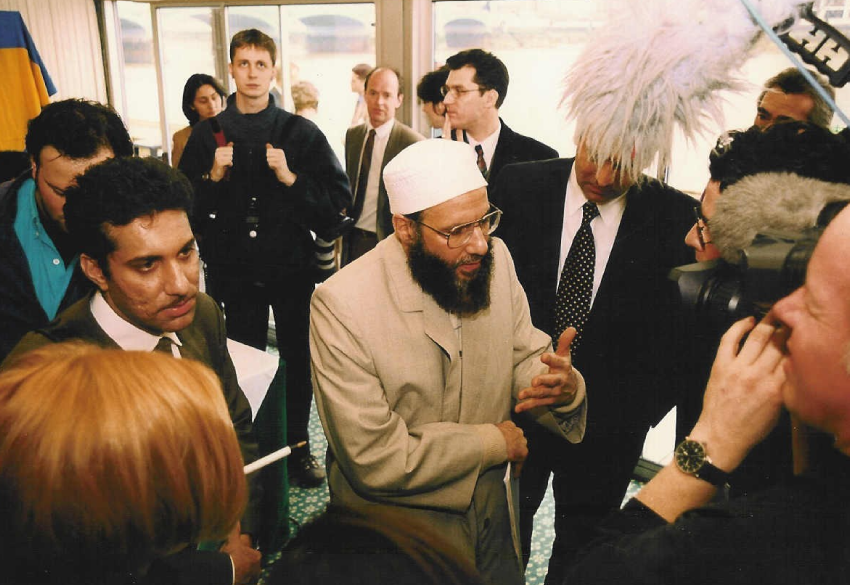
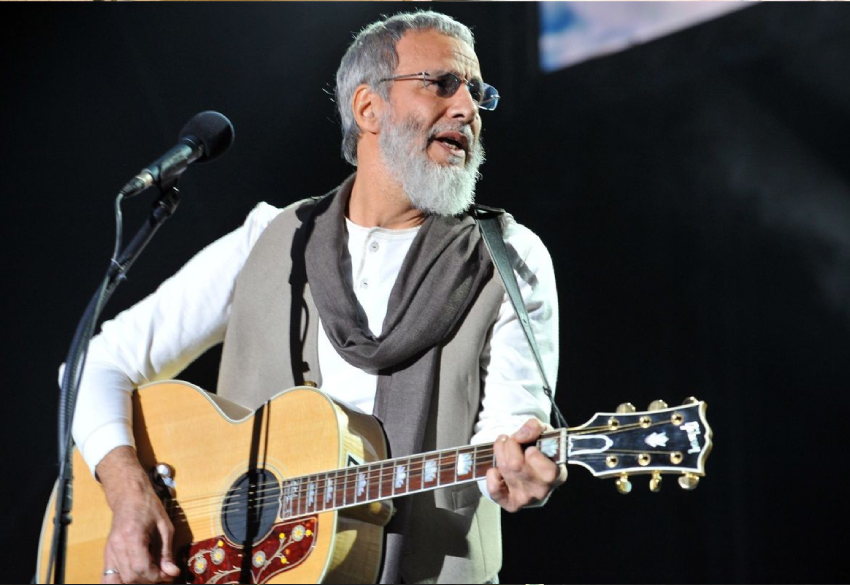
Yusuf Islam (Cat Stevens) was born as Steven Demetre Georgiou on 21 July 1948 in London, England. Yusuf, aka Cat Stevens, is a successful British singer-songwriter, multi-instrumentalist, and philanthropist who has profoundly impacted the music industry and global humanitarian causes. EMMA helped to support the “I Have No Cannons that Roar” album launched in 1997, which supported his humanitarian work after the Bosnian War. Yusuf supported EMMA’s own social cohesion work for a better society alongside the creative industries as a British Muslim.
Yusuf is of Greek Cypriot descent; he grew up in London in a family where music was integral to his upbringing. Initially influenced by artists like Sam Cooke and Elvis Presley, he took to the guitar and began writing his songs.
After adopting the stage name Cat Stevens, Yusuf released his debut album, 1967’s Matthew and Son, which brought him immediate success in the UK music scene. However, his transition into the folk and soft rock genres led to his international stardom.
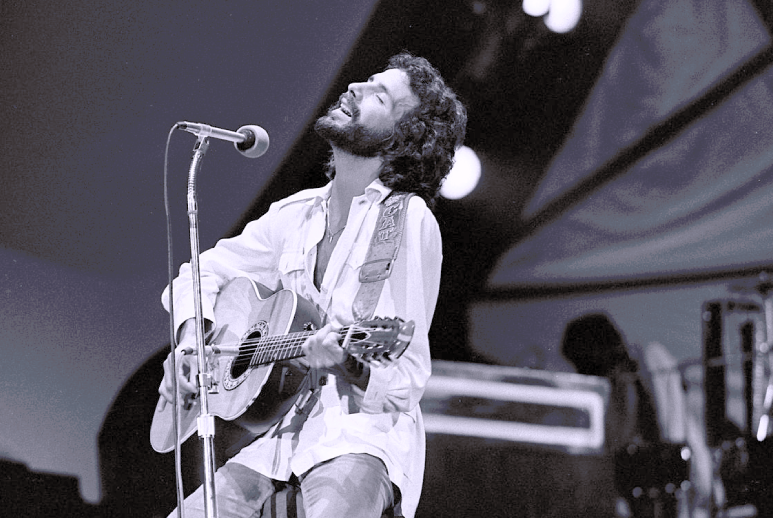
Yusuf’s 1970 album Tea for the Tillerman, which included timeless hits like Wild World, Father and Son, and Where Do the Children Play?, firmly established him as one of the defining voices of the 1970s. The follow-up album, 1971’s Teaser and the Firecat, saw similar success, with tracks like Morning Has Broken and Peace Train becoming anthems of hope and optimism.
Yusuf’s songs resonated with millions worldwide, often imbued with introspection, philosophical reflection, and a search for spiritual truth.
In 1977, after personal exploration and spiritual searching, Yusuf (Cat Stevens) made the monumental decision to convert to Islam, changing his name to Yusuf Islam. This marked the beginning of a dramatic shift in his personal and professional life.
Following his conversion, Yusuf withdrew from the music industry, focusing instead on his faith, his family, and philanthropic work, particularly in education. He founded the Islamia School in London in 1983, aimed at providing a high-quality education in a Muslim context.
During this period, Yusuf devoted much of his time to charity work, helping to establish several educational and social initiatives aimed at helping underprivileged communities and promoting interfaith understanding. His decision to step away from music was deeply influenced by his desire to live a life more aligned with his spiritual beliefs.
After nearly two decades of absence from the music scene, Yusuf was brought out of retirement in 1995 from his short stint with the “I Have No Cannons that Roar” album in 1997 by his then-growing desire to reconnect with his music and share his evolved understanding of spirituality and faith. Yusuf returned with the album The Life of the Moon in 1999 and followed it up with “An Other Cup” in 2006.
Yusuf’s return was enthusiastically received by both old fans and a new generation of listeners. His music, while still retaining his signature folk-pop style, reflected his personal growth and newfound perspective on the world.
One of the most notable songs from Yusuf’s return was The First Cut Is the Deepest, which showcased his refined musical approach while maintaining his distinct lyrical focus on love, life, and the human condition.
One of the pivotal moments in Yusuf’s post-retirement career came in 1995 when he wrote the haunting and emotional song Peace Train (Revisited) in response to the Bosnian War and the Bosnian Genocide, which shocked the world. The original Peace Train, written in 1971, had been an anthem of hope and global unity, but in the context of the horrors unfolding in the Balkans, Yusuf felt compelled to re-record and re-release the song.
This new version of Peace Train was released in 1997 to raise awareness about the suffering in Bosnia and promote peace during one of the bloodiest conflicts in modern European history. The song was a call for global unity and reconciliation, with Yusuf expressing his deep concern for the devastation and loss of life and his hope for a more peaceful future.
In addition to his work in music, Yusuf has remained an active philanthropist and humanitarian, using his platform to advocate for peace, education, and human rights. He has been involved in various charitable causes, from supporting refugees and disaster relief efforts to promoting sustainable environmental practices and interfaith dialogue.
In 2004, Yusuf was appointed as a UNICEF Goodwill Ambassador, and he has been involved in numerous global initiatives to improve education for children in conflict zones and marginalised communities.
Yusuf’s impact on the music world and the global community has continued to grow. In 2014, he received the prestigious “One World” Award for contributing to cultural understanding and peace. His career spans decades and has seen him maintain a deep commitment to spreading messages of hope, unity, and spiritual experience, making him one of his generation’s most beloved and respected artists.
As of 2025, Yusuf/Cat Stevens continues to perform, record new music, and participate in cultural exchanges, solidifying his legacy as a cultural ambassador who bridges the gap between East and West.
Yusuf/Cat Stevens’ music, which has evolved in depth and style, remains as relevant today as it was in the 1970s. It has a devoted global fanbase and a lasting influence on generations of listeners.