Multicultural British Ads
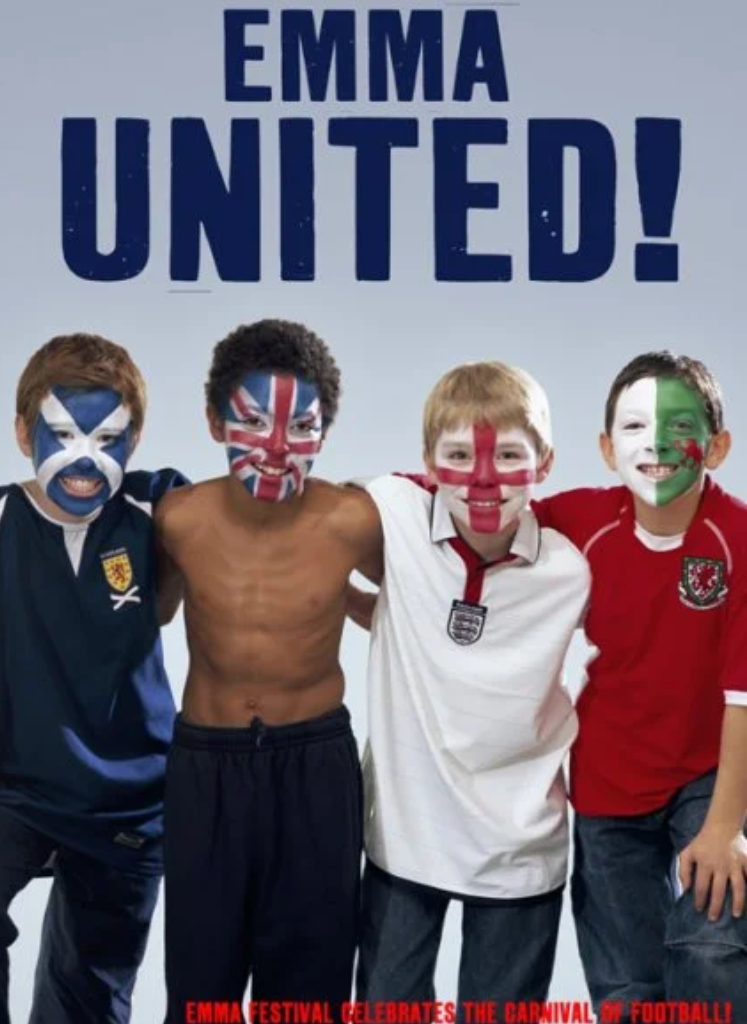

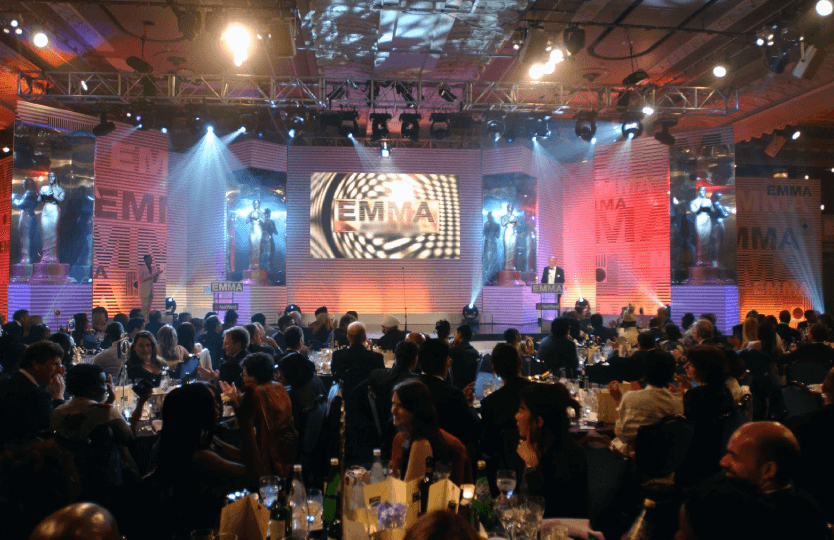
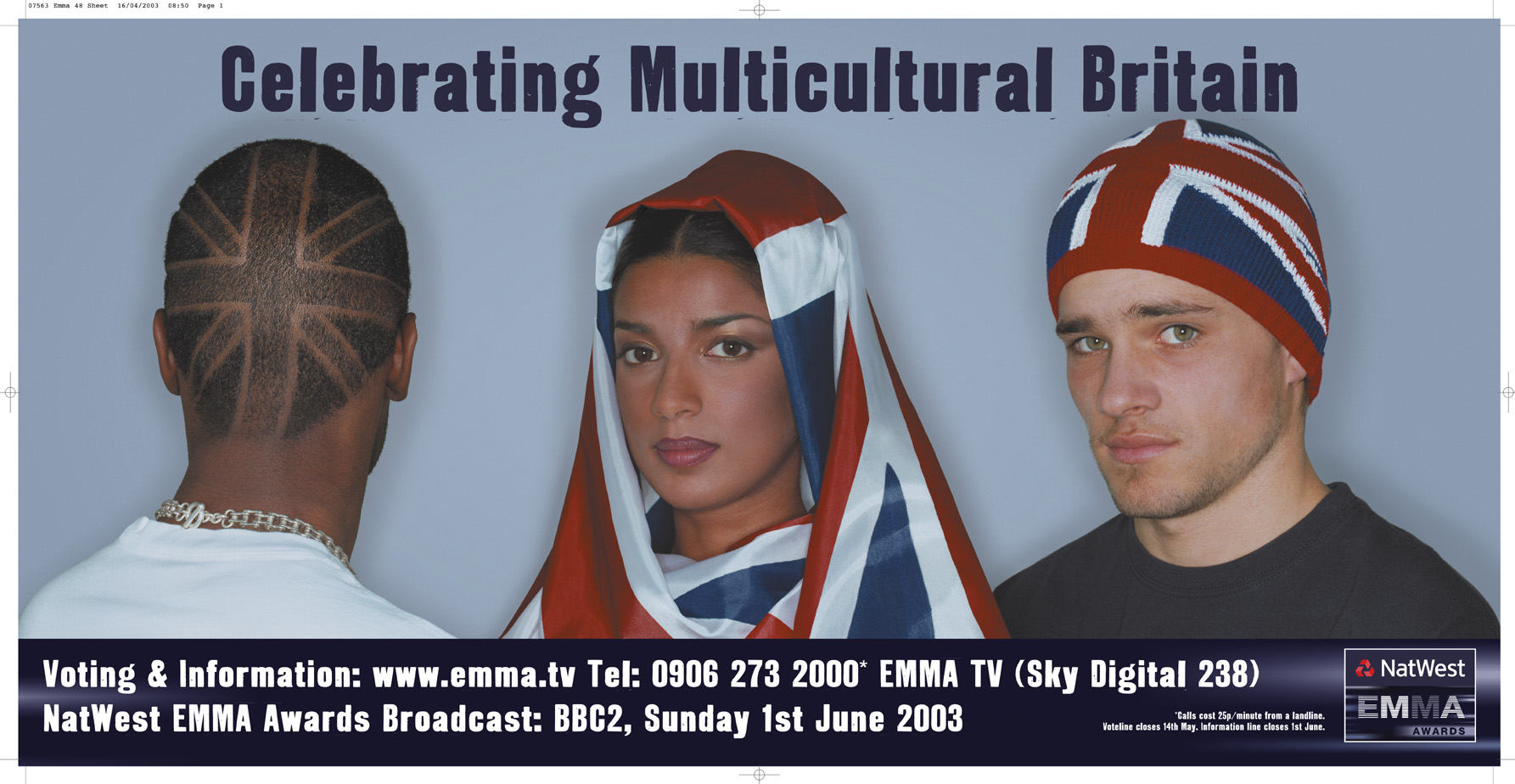
These two ad campaigns were designed to promote the EMMA Awards and the EMMA Festival.
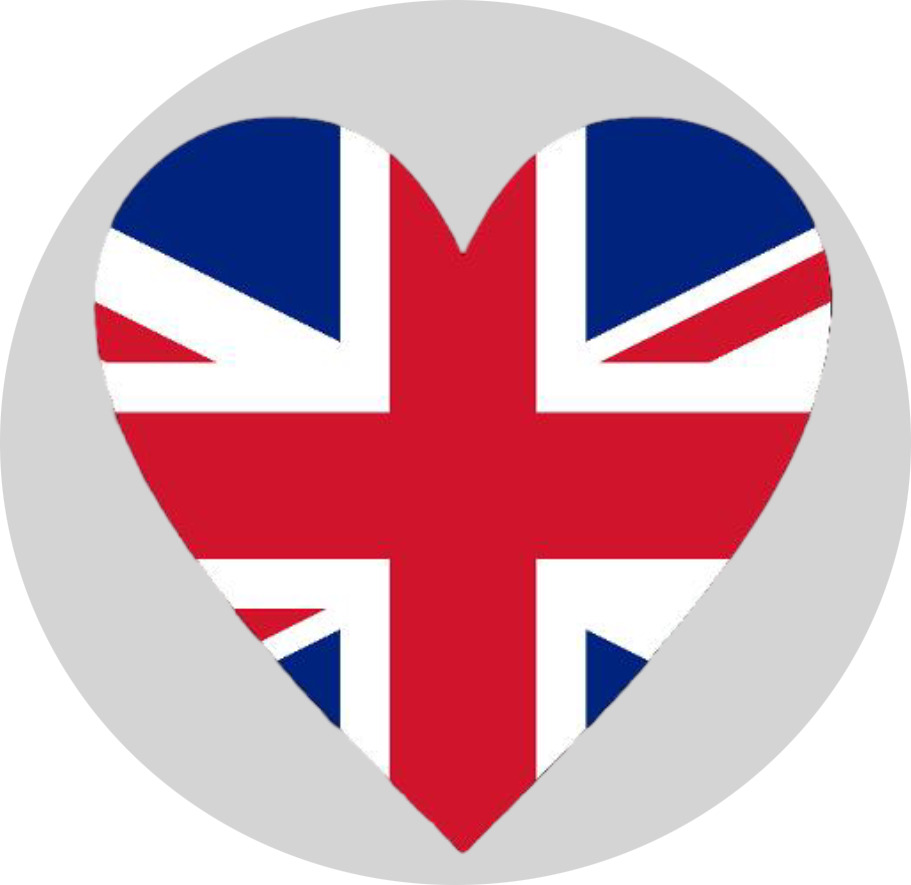
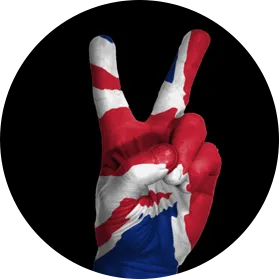
The design made use of the Union Jack flag to reflect the multiculturalism of the British Isles and the four boys – with each of them representing England, Scotland and Wales with the Ethnic Minority representing pure British Multicultural values. Britain is defined by its true cultural Union.
The lack of a Football shirt for the United Kingdom flag lays the suggestion of the need for a national identity involving the whole populace, if Britain is to achieve real social cohesion.
The entire design brings into focus the different labels and titles given to ethnic minorities and pushes the idea that all cultures should exist under one banner; when referring to Britain.
The adverts were also used as the front covers of the EMMA Awards ceremony presentation magazines in 2003 and 2004, which were the images that led to the 2012 Olympic Games.
Multicultural Britain refers to the rich and diverse ethnic, racial, linguistic, and religious composition of the UK population. Over the past several decades, Britain has transformed into a nation that hosts people from a vast array of global backgrounds.
Key Facts and Figures (2021 Census & ONS data):
- Total Population (2021): 67 million
- Ethnic minorities in England and Wales account for 18.3% of the population (up from 14% in 2011)
- Top ethnic minority groups:
- Indian: 1.8 million (3.1%)
- Pakistani: 1.6 million (2.7%)
- Black African: 1.5 million (2.5%)
- Bangladeshi: 0.7 million (1.1%)
- Chinese: 0.4 million (0.7%)
- Mixed/multiple ethnic groups: 2.1 million (3.7%)
- White British population fell from 80.5% in 2011 to 74.4% in 2021
Major Benefits of a Multicultural Society
- Economic contribution: Ethnic minorities contribute over £300 billion to the UK economy annually (Centre for Economics and Business Research).
- Cultural richness: London alone hosts over 300 languages, making it one of the most linguistically diverse cities in the world.
- Creative industries thrive due to global perspectives, especially in music, food, art, and fashion.
- Global influence: The UK’s soft power and diplomacy are strengthened by its multicultural identity, which resonates with global partners.
Key Issues and Challenges in Multicultural Britain
Racism and Discrimination
- A 2022 UK Government survey found that 1 in 3 Black people and 1 in 4 Asian people reported experiencing discrimination in the workplace.
- Stop and Search data (Home Office, 2023):
- Black people are 7 times more likely to be stopped and searched than White people.
- Hate crimes rose to 145,214 reported cases in England and Wales (2022-2023), of which:
- 70% were race-related
- An increase of 26% from five years earlier
Social Integration
- Studies show that in some towns and cities, there is a lack of interaction between different ethnic and religious groups.
- The 2018 Casey Review highlighted:
- Some Muslim women in parts of the UK had limited English skills, restricting access to work, services, and civic participation.
- Pockets of “parallel lives” in communities, especially in areas like Bradford and Luton.