World War II

Algeria

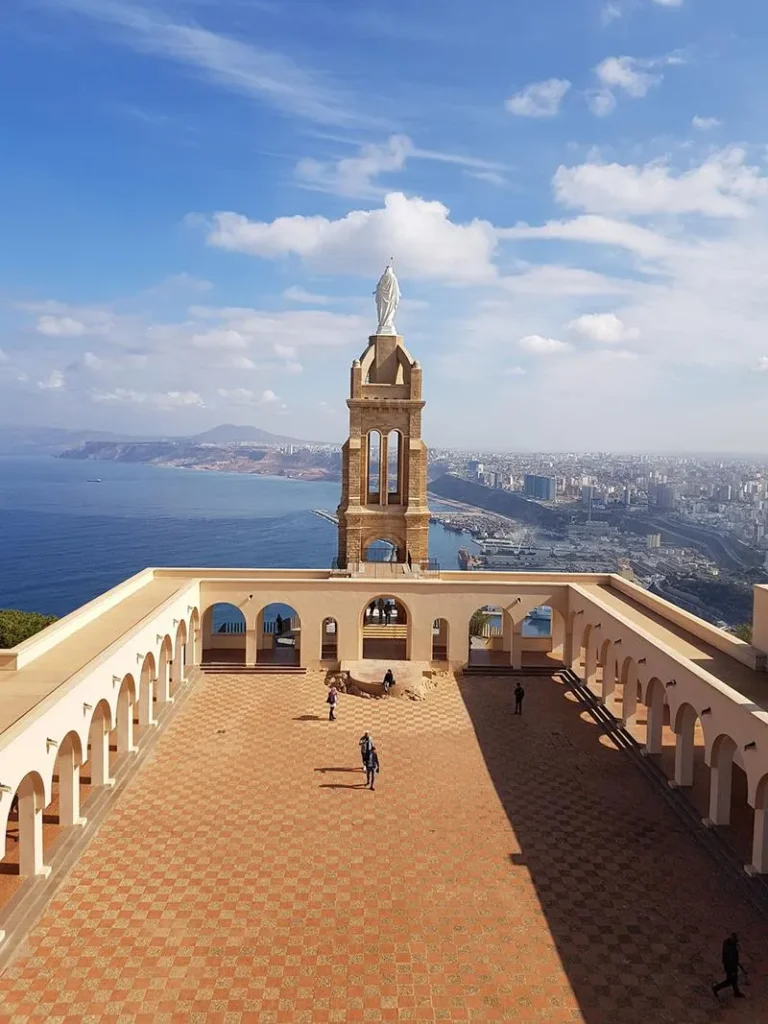
Algeria’s involvement in World War II played a complex and multifaceted role, deeply entwined with both the military and civilian populations. Initially, during the early stages of the war, Algeria, a French colony at the time, became a vital strategic location for the Allies.
It was from Algeria that the Allied forces launched Operation Torch in November 1942, an invasion of Vichy French-controlled North Africa aimed at securing the region for the Allies and cutting off Axis powers’ access to oil resources. This marked a significant turning point in the North African campaign, and Algeria, with its coastal ports and rugged terrain, became a substantial military base for the Allies, particularly the United States and the United Kingdom.
However, this military importance came at a heavy cost to the civilian population. The war had already exacerbated the deep-rooted colonial tensions, and the local population, already struggling under harsh French rule, endured bombings, forced labour, and economic exploitation.
During the war, both civilians and soldiers in Algeria faced significant hardship. Thousands of Algerians were conscripted into the French army, with many of them sent to the front lines in Europe, where they faced high mortality rates. Estimates suggest that between 40,000 and 50,000 Algerian civilians lost their lives due to the direct consequences of the war, including bombings, reprisals, and the impact of food shortages and disease.
Algeria, which was essentially an agricultural society, saw its economy strained by the demands of war, forced labour, and the disruption of local industries. Women and children were particularly affected, as the war displaced families and many women were forced to take on new roles in both the home and the workforce.
The war years also saw an increase in violence and repression from the French colonial authorities, who feared a rise in nationalist sentiments. The French response to unrest among the local population, mainly as Algerian resistance movements gained traction, included harsh reprisals, further complicating the civilian experience.
The war’s conclusion in 1945 did not bring immediate peace to Algeria; instead, it intensified nationalist movements that had been brewing in response to years of colonial rule and wartime exploitation. In May 1945, following the end of the war in Europe, violent uprisings occurred in the city of Sétif, which were brutally suppressed by French forces, leading to the deaths of thousands of Algerians. This event solidified the desire for independence, setting the stage for the Algerian War of Independence, which would officially begin in 1954.
The war’s economic impact was also long-lasting, with Algeria’s infrastructure heavily damaged and the social fabric of its society disrupted. Over the years, the psychological trauma endured by the population, especially women and children who had witnessed violence, displacement, and loss, persisted.
The brutal legacy of French colonialism, exacerbated by the wartime experience, contributed to an ongoing struggle for identity and sovereignty, which became the core of post-war Algerian politics. The ultimate impact of World War II on Algeria was the strengthening of nationalist movements that would eventually lead to the country’s independence in 1962.
The scars of the war, particularly on the civilian population, remain visible even today, as the collective memory of these events continues to influence Algeria’s national identity, politics, and social structures. The war had reshaped Algerian society, leaving behind a legacy of loss, economic disruption, and a continued fight for justice and recognition.
(Never Again – for Humanity)