World War II
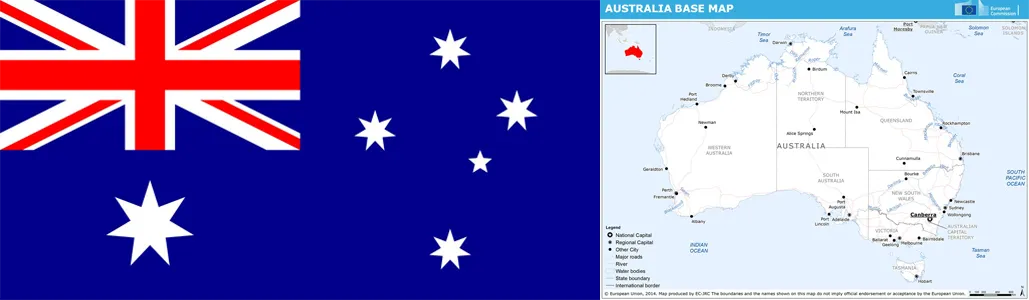
Australia

Upon the United Kingdom’s declaration of war on Germany on 3rd September 1939, Australia, as a member of the British Commonwealth, was also at war. Australian forces were actively involved in multiple theaters, including North Africa, Europe, and the Asia-Pacific region.
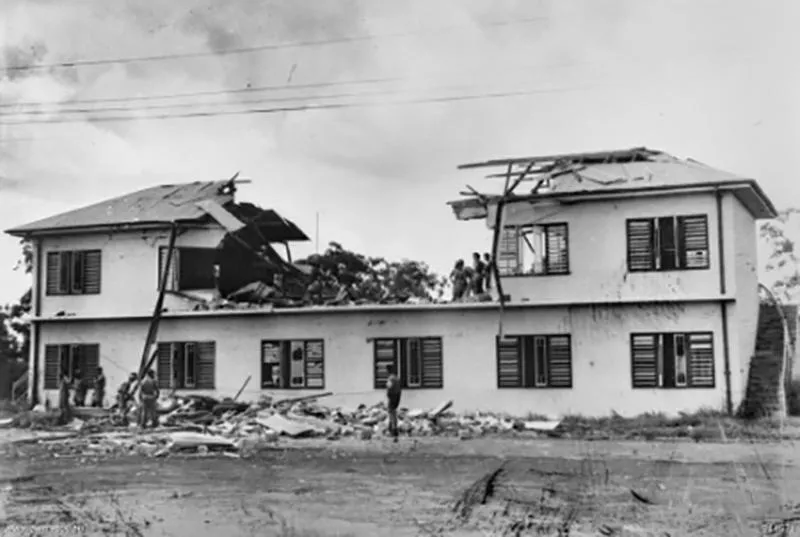
Australian troops participated in the defense of Tobruk in 1941, earning the moniker “Rats of To-bruk” for their resilience during the 242-day siege. The war reached Australian shores on 19th February 1942, when Japanese forces launched air raids on Darwin, resulting in significant casualties and damage. This attack marked the largest single assault on Australia by a foreign power.
Approximately 39,700 Australian servicemen and women lost their lives, with an additional 66,500 wounded. Over 30,000 were taken as prisoners of war, two-thirds of whom were cap-tured by Japanese forces in early 1942. The conditions in Japanese captivity were notoriously harsh, leading to a high mortality rate among prisoners.
Civilians, including women and children, faced significant challenges during the war. The Japa-nese bombing of Darwin resulted in the deaths of 252 individuals on the first day alone, with at-tacks continuing intermittently for over a year. These raids served as a stark reminder of the war’s reach and the vulnerability of the Australian mainland.
World War II necessitated a substantial reorganisation of Australia’s economy. By 1943 to 1944, war-related expenditure accounted for 37% of the nation’s Gross Domestic Product (GDP), a significant increase from the 4% recorded in 1939–40. Total war expenditure between 1939 and 1945 amounted to £2,949 million.
The manufacturing sector experienced rapid growth to meet wartime demands. In 1939, only three Australian firms produced machine tools. By 1943, this number had expanded to over 100. This industrial boom not only supported the war effort but also laid the foundation for post-war economic development.
The conclusion of World War II brought about significant societal and economic transformations in Australia. The government established the Department of Post-War Reconstruction in De-cember 1942, aiming to transition the nation to a peacetime economy and address the needs of returning servicemen and women. This period saw the introduction of new social welfare pro-grams, the establishment of the Commonwealth Employment Service, and investments in housing and education.
The shared experiences of conflict fostered a strong alliance with the United States, a partnership that continues to influence Australia’s foreign policy. Australia’s involvement in World War II led to considerable sacrifices and challenges. This has prompted extensive economic mobilisa-tion and societal changes, the effects of which have left a lasting imprint on the nation’s identity and development.
(Never Again – for Humanity)