World War II
British India
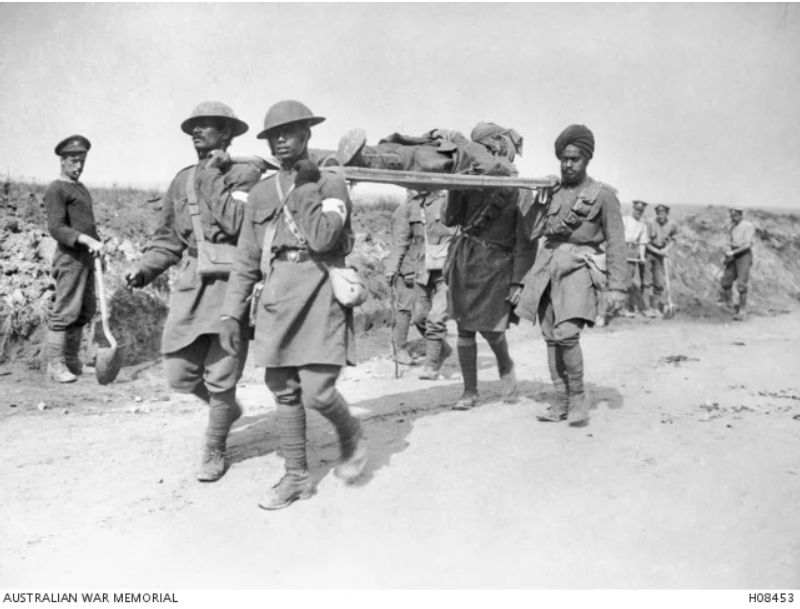
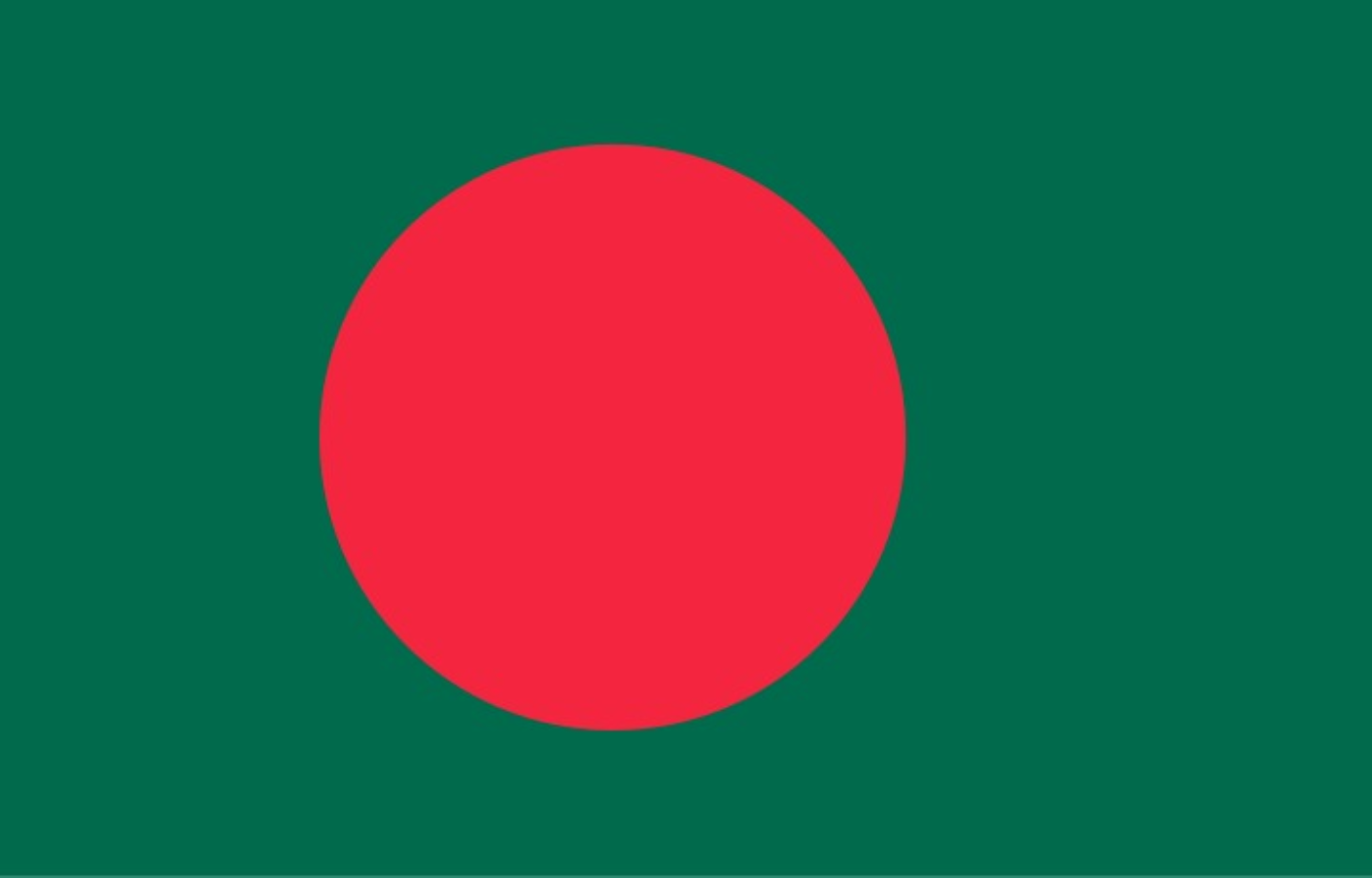
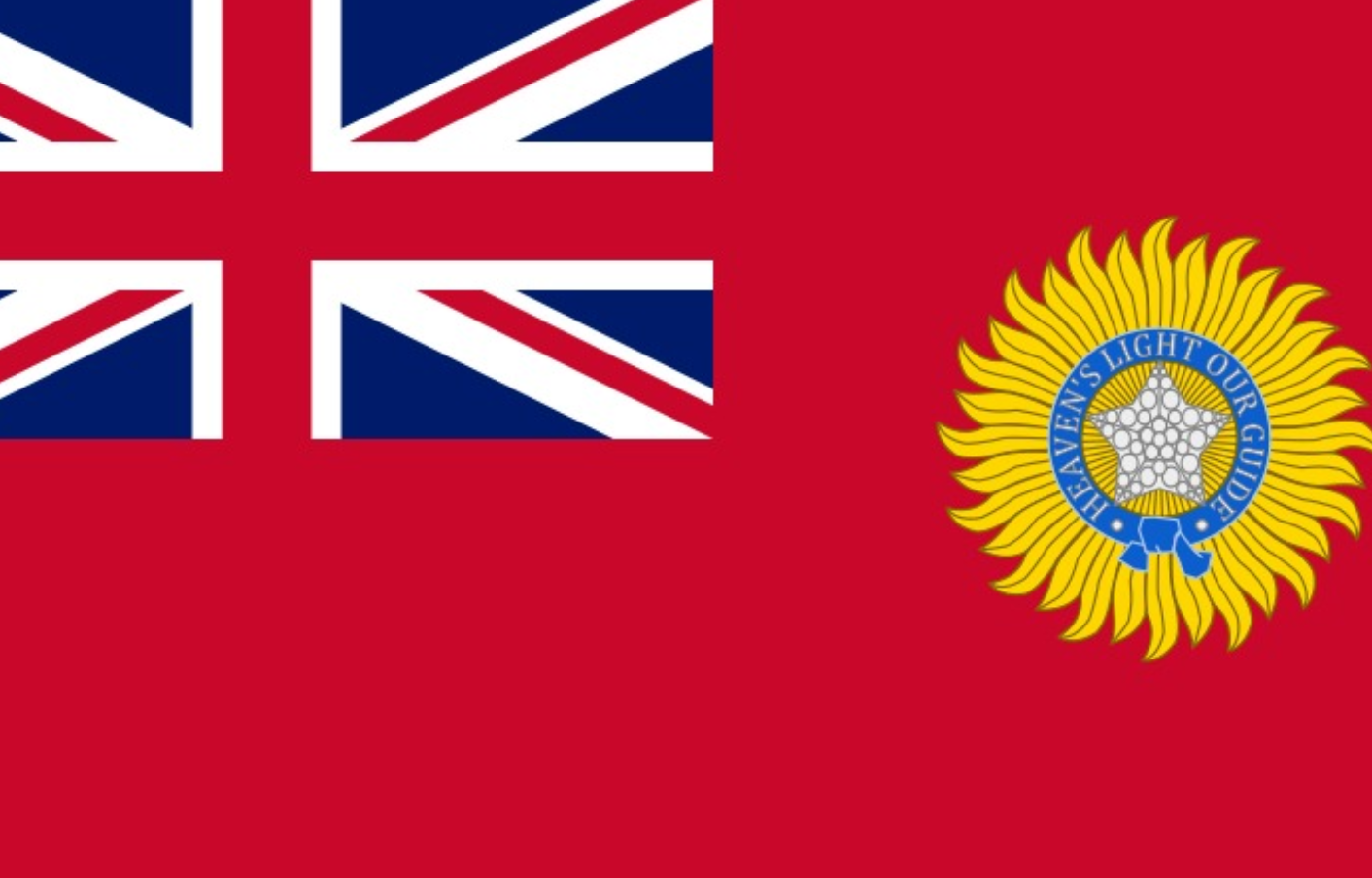
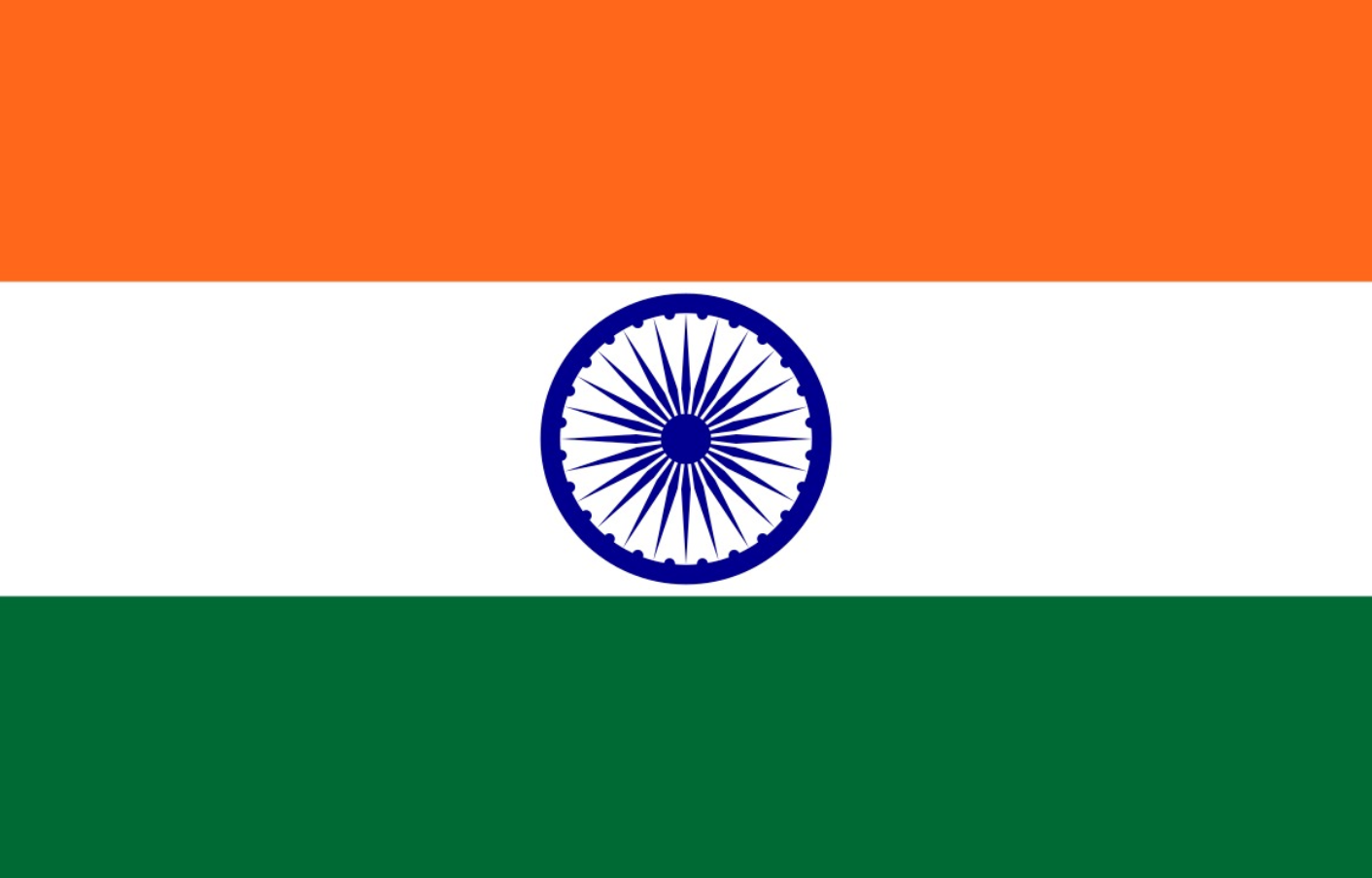
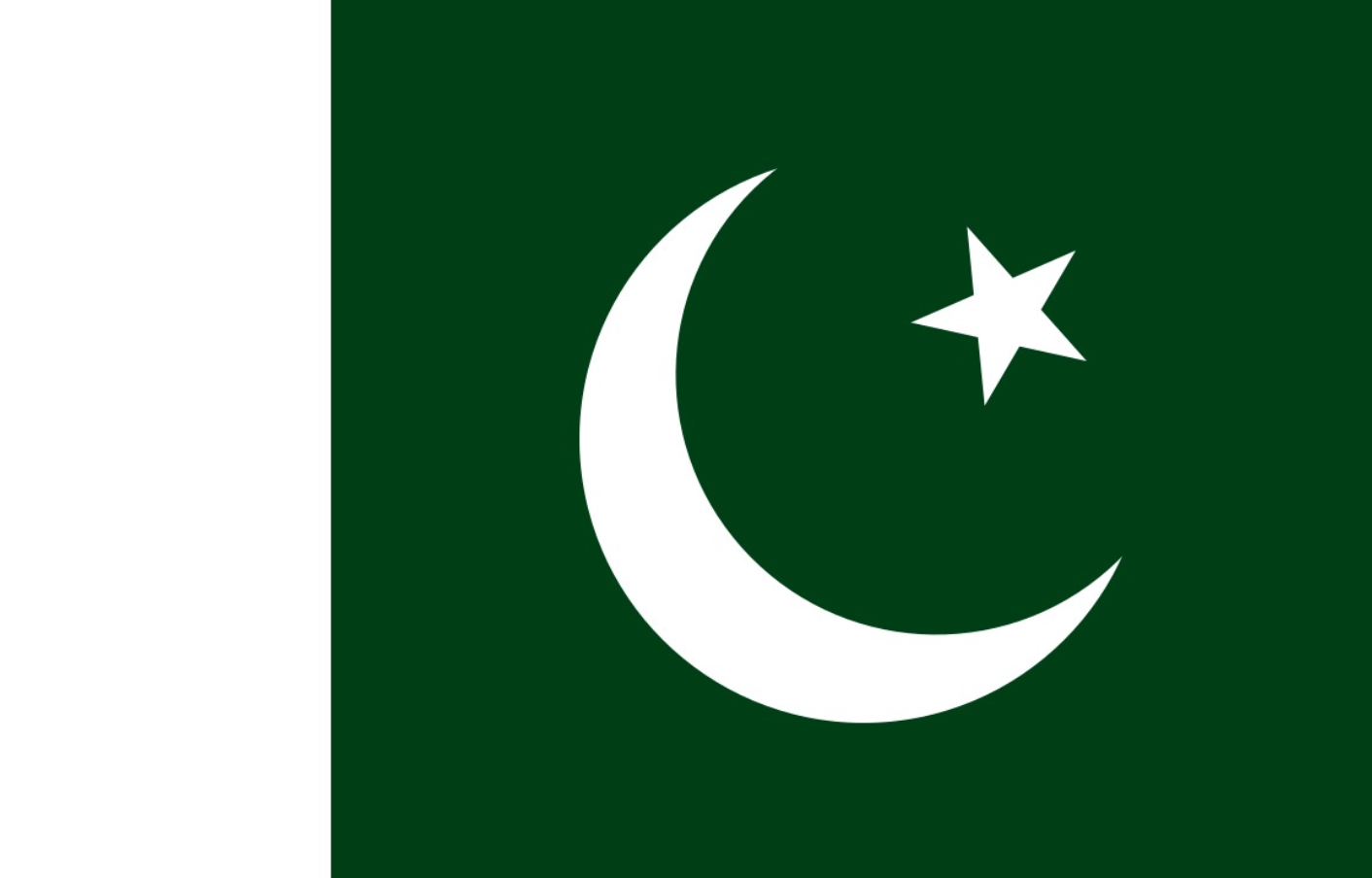
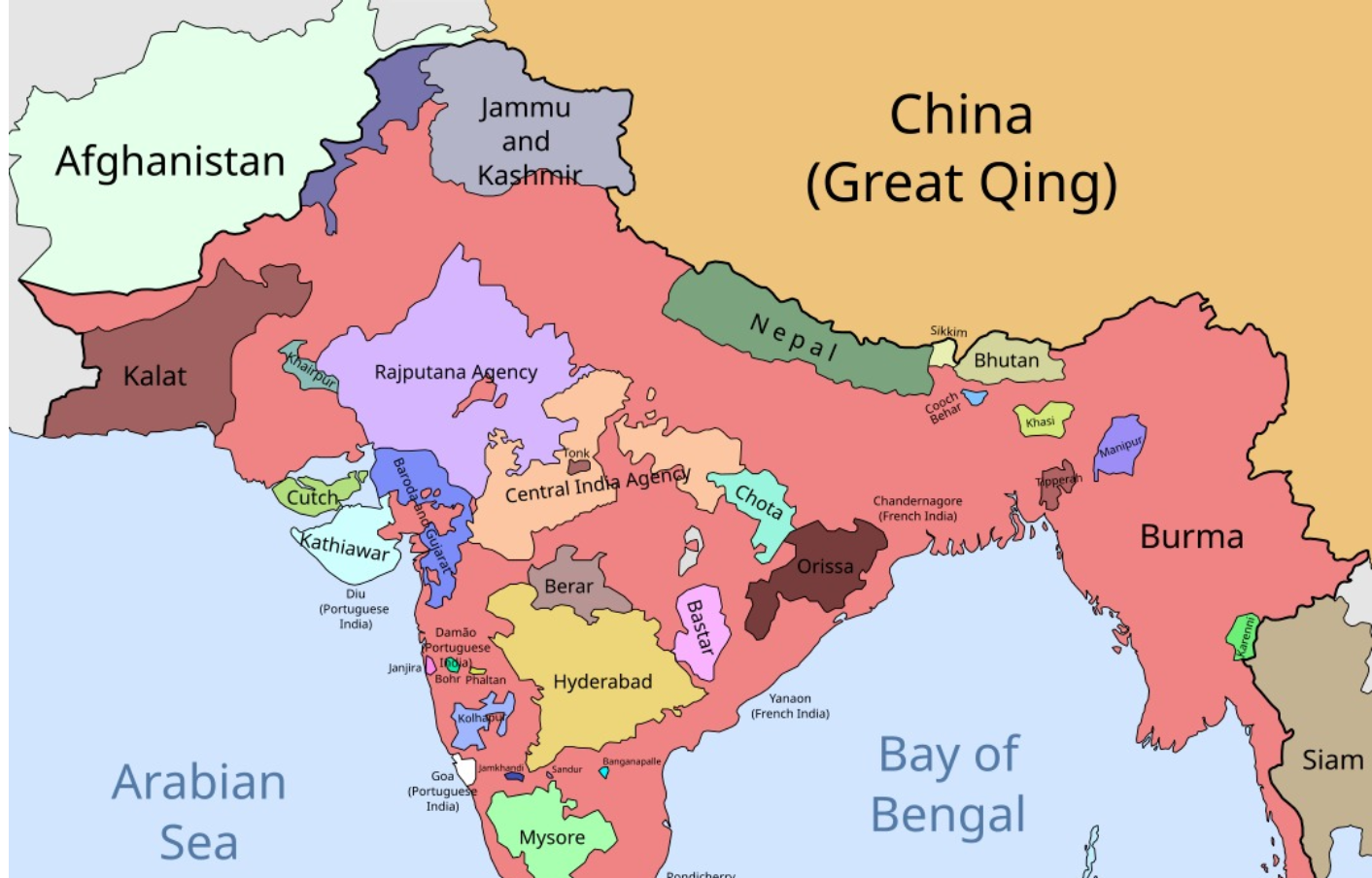
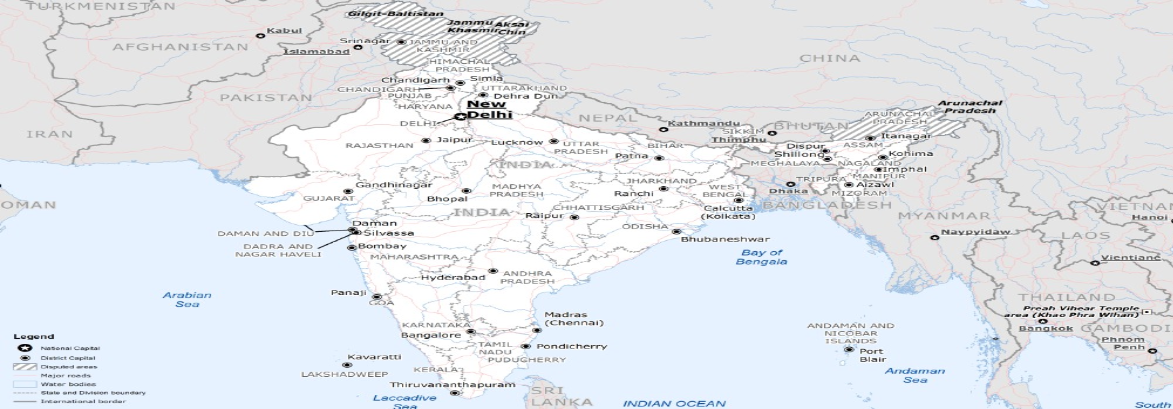
World War Ii was a pivotal period in the history of British India (Indian Sub-continent), which played a significant role in the Allied war effort. British India contributed over 2.5 million soldiers, making it the largest volunteer army in history. The British Indian Army was involved in numerous crucial theaters of the war, including North Africa, Europe, and Southeast Asia, where British Indian soldiers fought in campaigns such as the North African Campaign, the Burma Campaign, and in Italy.
The human cost for British Indian soldiers was significant, with over 87,000 soldiers killed, 64,354 wounded, and 79,489 taken prisoner. Muslim soldiers formed a substantial part of the British Indian force, with an estimated 1 million Muslims serving in various branches of the British Indian military and making valuable contributions to the campaigns in North Africa, Europe, Middle East and South East Asia. It should also be noted that 1.3 million Hindu’s and 250,000 Sikh soldiers had also participated in those numerous conflicts.
The civilian population also faced tremendous hardship, with the most devastating event being the Bengal Famine of 1943, a disaster that led to the deaths of an estimated 2.1 to 3 million people due to starvation and disease. This tragedy was further highlighted by wartime policies such as the British “denial policies,” which removed food supplies and transport in anticipation of a Japanese invasion, while natural disasters like a cyclone and flooding decimated crops.
In addition to the famine, civilians in various parts of India faced the brunt of violence and military repression during the war, with widespread displacement and economic instability. The wartime economy was marked by severe inflation, industrial mobilisation, and a drain of resources, with the colonial government imposing heavy taxes and forcing contributions to finance the war. Despite these hardships, there was some industrial growth, particularly in textiles and steel, which were essential for the Allied effort. However, this economic strain contributed to mounting dissatisfaction and calls for independence, which intensified as the contradiction of British colonial rule became ever clearer.
The impact of the war on British India’s political landscape was profound, with the war efforts and the huge sacrifices made by British Indian soldiers and civilians fueling the Indian independence movement. The war also saw the rise of the Quit India Movement in 1942, a mass civil disobedience movement led by the Indian National Congress that called for an end to British rule.
The aftermath of the war led to the partition of British India in 1947, resulting in the creation of two independent nations, India and Pakistan. This partition caused the largest mass migration in human history, with an estimated 10 to 15 million people displaced and widespread violence that led to the deaths of 200,000 to 2 million people. The impact of these events is still felt today, with the memories of partition and the contributions of British Indian soldiers during the war remaining central to discussions of national identity and historical memory in India and Pakistan.
The new independent state known as India became one of the founding members of the United Nations, and the post-war world order gradually gave way to the decolonisation of Asia and Africa. The recognition of British Indian contributions during the war remained marginal for decades, but recent years have seen efforts to acknowledge and integrate these contributions into global historical narratives. This includes recognition of the roles played by British Indian soldiers, particularly Muslim soldiers, and the suffering of civilians during the war.
The war also helped shape the modern-day relationship between both India and Pakistan with Britain, with increasing calls for a more inclusive remembrance of colonial history, particularly concerning the impact of British policies during the war, which shaped the trajectory of the subcontinent’s post-colonial development.
India’s and Pakistan’s (Bangladesh previously East Pakistan) sacrifices and struggles during the war continue to resonate in the global conversation about the contributions of colonised nations to the Allied victory. The legacy of these events also continues to affect contemporary society in both India, Pakistan and Bangladesh, where discussions around the Partition remain a central issue in political and social discourse as administered by the British prior to leaving the region.
The economic and social impacts of the war, especially the migration, violence, and the scars of colonial rule, are still part of the collective memory of the region today, shaping both nations’ identities. Despite the vast sacrifices made by the British Indian military, the war’s outcome and its aftermath set the stage for the eventual end of British colonial rule, culminating in India and Pakistan independence in 1947. The legacy of World War II in the Indian Sub-continent remains a powerful and painful chapter in the history of this region.
(Never Again – for Humanity)