World War II
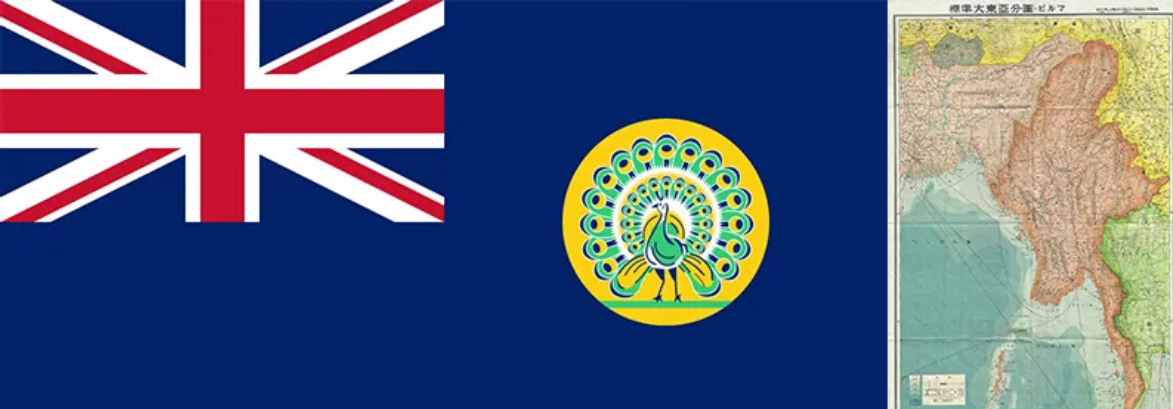
Burma
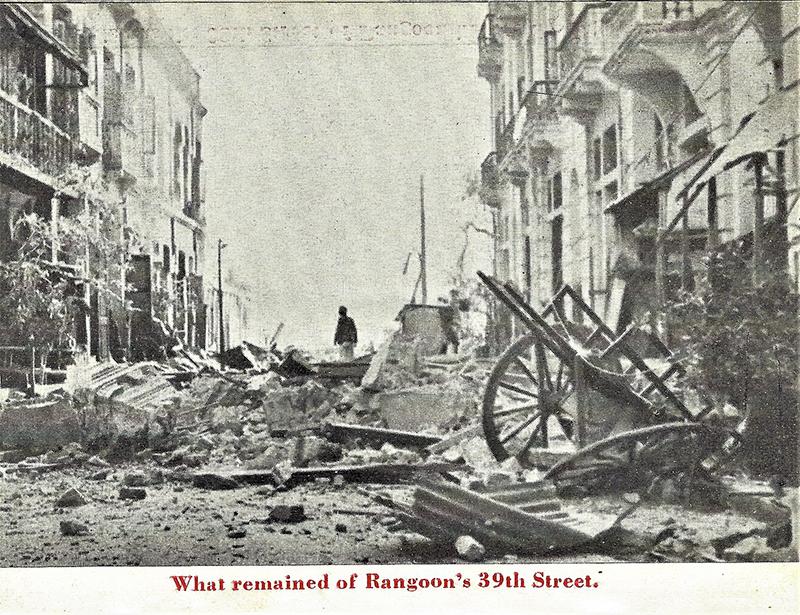

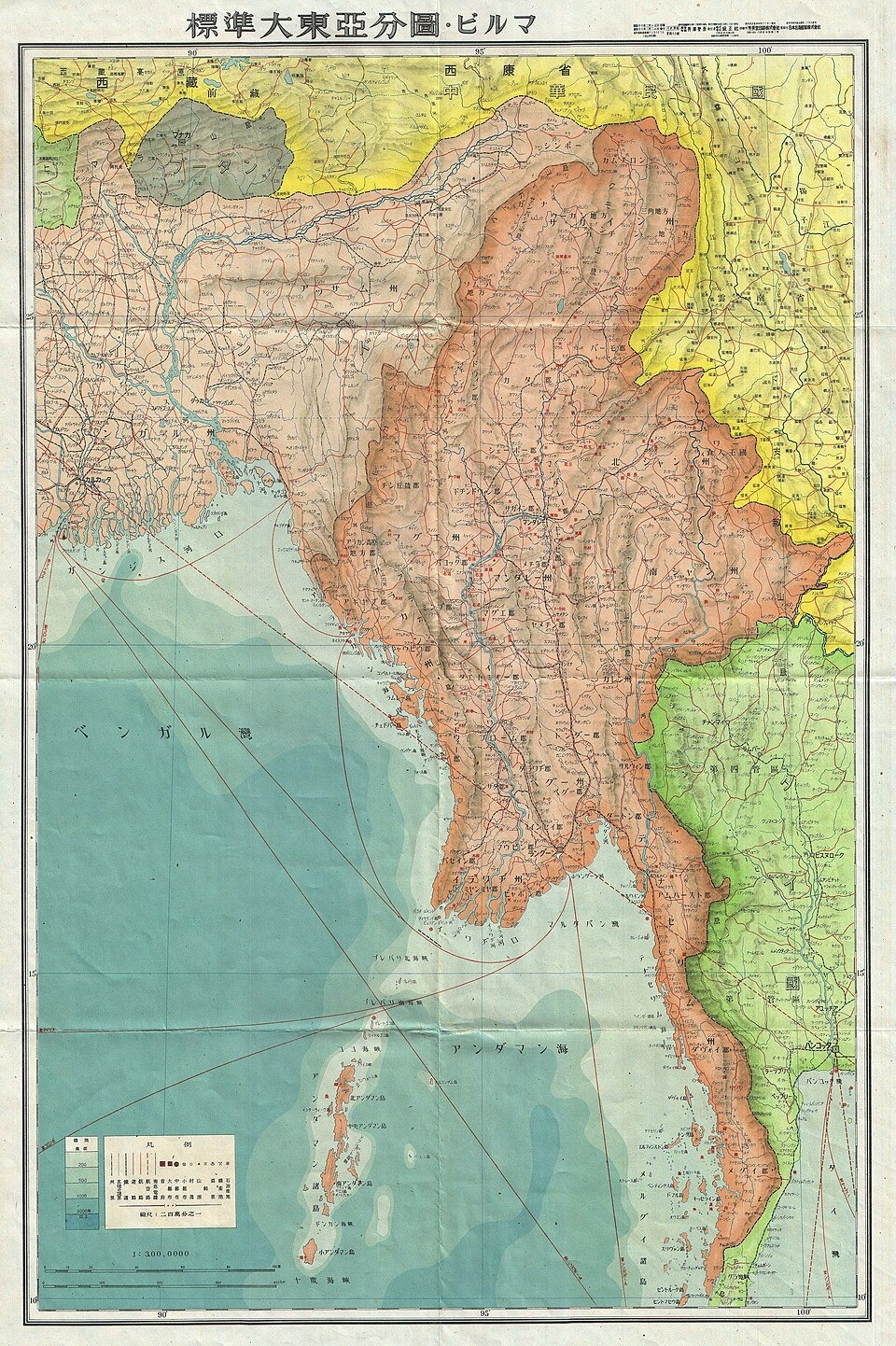
Burma’s role in World War II was central to the Southeast Asian theatre of the conflict, with the country becoming a major battleground between the Japanese and the Allies. When Japan launched its invasion of Burma in 1942, the country, which was a British colony at the time, quickly became a strategic target due to its proximity to British India, the supply routes for the Allied forces, and its rich resources, including oil and rice.
The Japanese forces initially overran Burma, and by the end of 1942, most of the country was under Japanese control. As the war continued, Burma became a key focus for both the Japanese, who sought to consolidate their control over Southeast Asia, and the Allies, who sought to disrupt Japanese operations and protect British India. It is estimated that around 250,000 to 500,000 Burmese civilians died because of the conflict, with many falling victim to violence, famine, and disease. Widespread atrocities, including forced labour, massacres, and systematic abuse of the local population marked the Japanese occupation.
One of the most notorious aspects of the Japanese occupation was the use of Burmese civilians as forced labourers to build the Burma-Thailand Railway. This brutal project resulted in the deaths of tens of thousands of workers from Burma and other occupied territories. Women were particularly vulnerable during this time, with many being subjected to sexual violence by the Japanese military, and children also faced malnutrition, disease, and the death of family members due to the conflict.
The Japanese military’s reign of terror created a devastating impact on Burma’s rural population, as entire villages were destroyed, and families were displaced or killed. The occupation caused the collapse of the agricultural economy, with rice production significantly reduced, and much of the country’s infrastructure was either destroyed or repurposed for military use.
The war severely disrupted trade and led to widespread poverty, inflation, and famine, further exacerbating the suffering of civilians, particularly those in rural areas. The situation was made worse by the fighting between the Japanese and Allied forces, which left the country torn by battles and guerrilla warfare.
The cost of the war in Burma was not only in human lives but also in the destruction of the country’s economy, which struggled for many years after the war ended.
The Allied counteroffensive, which began in 1944, eventually succeeded in pushing Japanese forces out of Burma by 1945, but by the time the Japanese surrendered in August 1945, the country had already borne the brunt of the war’s devastation. Following the end of the war, Burma’s post-war period was marked by political instability and economic collapse.
The war left deep scars on the population, with many survivors suffering from the trauma of loss, displacement, and the destruction of their communities. The human toll was immense, and the recovery process was slow. The country’s infrastructure was in ruins, and the wartime destruction crippled the economy. Additionally, the war experience left a lasting impact on Burma’s political landscape.
The resistance movements that had formed during the war, as well as the legacy of colonialism and the horrors of occupation, fostered a sense of nationalism that would eventually lead to Burma’s independence from Britain in 1948. The war also had a profound effect on the social fabric of Burma, as families struggled to rebuild their lives and communities. The trauma of the conflict, particularly the suffering of women and children, lingered for decades, shaping the cultural memory of the war.
Today, Burma (now Myanmar) still grapples with the legacy of World War II, including the continued impact of war-related trauma, displacement, and political unrest. The war also left Myanmar with a complex relationship with its neighbours and the global community, as its wartime experiences contributed to its political and economic struggles in the years following independence.
The scars of the war are still visible today, both in the memory of those who lived through it and in the ongoing challenges Myanmar faces in its efforts to rebuild and recover from the devastating effects of the conflict. The human cost of the war in Burma, particularly the loss of civilian life, the destruction of communities, and the suffering of women and children, remains a deeply ingrained part of the country’s history, with its impact continuing to affect society, politics, and the economy well into the modern era.
(Never Again – For Humanity)