World War II
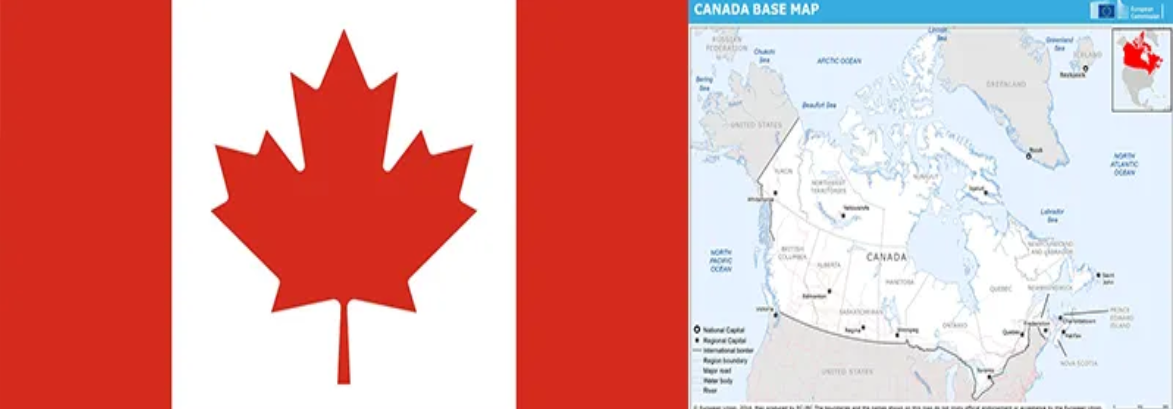
Canada

Canada officially entered World War II on 10th September 1939, declaring war on Germany. Over the course of the conflict, more than 1.1 million Canadians served in the armed forces, participating in key operations across Europe, the Atlantic, and other theaters. Notably, Canadian forces played significant roles in the Dieppe Raid in 1942, the Italian Campaign, and the D-Day landings at Juno Beach in 1944.
The Royal Canadian Navy expanded substantially, becoming the third-largest Allied navy by the end of the war, and was instrumental in convoy escorts during the Battle of the Atlantic.
The Royal Canadian Air Force also grew to become the fourth largest Allied air force, contributing to various air operations, including the British Commonwealth Air Training Plan.
Approximately 45,000 Canadian military personnel lost their lives, and another 55,000 were wounded. The Dieppe Raid alone saw over 3,350 Canadian casualties, including around 1,950 taken as prisoners of war, and 916 who were killed.
On the home front, civilians faced various challenges, including rationing, economic shifts, and the emotional toll of having family members engaged in the conflict. Women experienced a transformation in societal roles, entering the workforce in unprecedented numbers to fill positions vacated by men who had gone to war.
The country emerged from the Great Depression by mobilising its economy to support the war effort. Canadian industries produced more than $9.5 billion worth of war materials, including over 16,000 aircraft and numerous naval vessels. This production surge led to the creation of approximately 1 million jobs, significantly reducing unemployment and laying the foundation for post-war prosperity.
The conclusion of World War II brought about substantial changes in Canadian society. The return of over a million veterans necessitated the development of programs to facilitate their reintegration, including educational opportunities and housing initiatives.
Canada’s contributions to the war elevated its international standing, leading to a more prominent role in global affairs and the formation of alliances such as NATO. Canada’s involvement in World War II was marked by significant military contributions, considerable human and economic sacrifices, and transformative societal changes. The war’s legacy continues to influence Canada’s national identity and its role in today’s world.
(Never Again – For Humanity)