World War II

Costa Rica


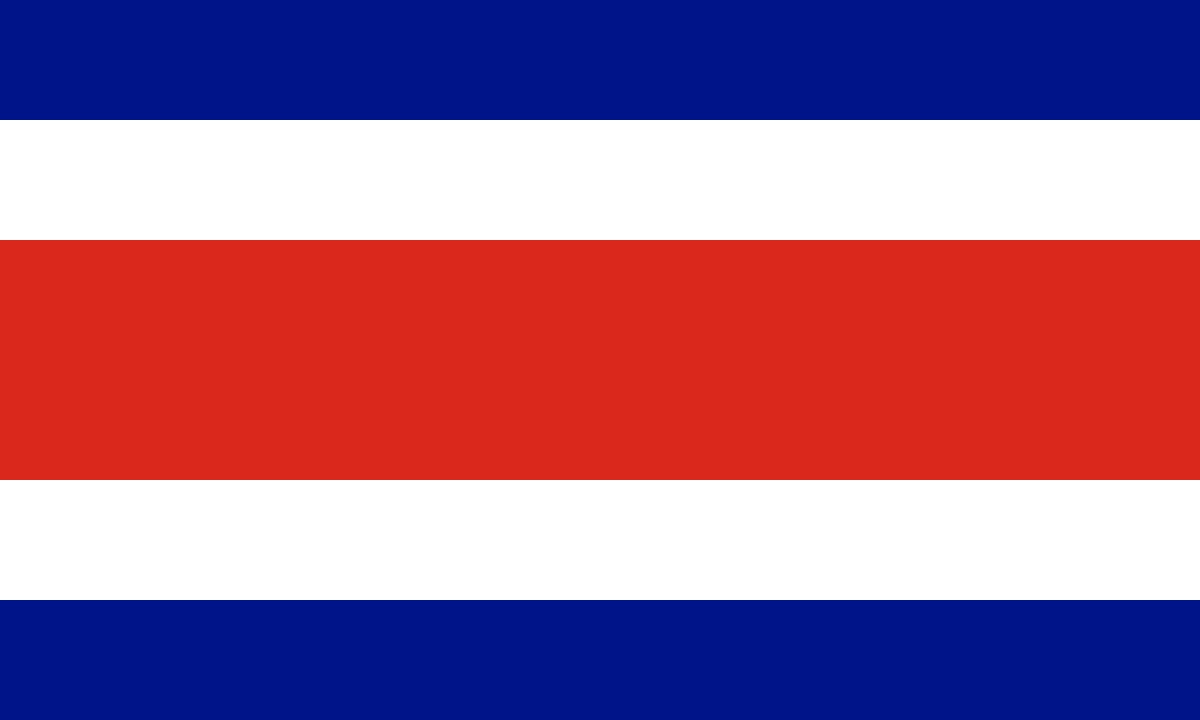
Costa Rica’s involvement in World War had profound social and economic repercussions, affecting civilians in particular. In solidarity with the Allied powers, Costa Rica declared war on Japan on 8th December 1941, and on Germany and Italy on 11th December 1941.
The Costa Rican government implemented policies targeting German, Italian, and Japanese nationals, as well as Costa Rican citizens of Axis heritage. The sinking of the San Pablo, a United Fruit Company vessel, by a German U-boat on 4th July 1942, while docked in the port of Limón, resulted in the deaths of 24 Costa Ricans. This incident incited widespread riots in the capital, San José, where over 120 German-owned businesses were looted, 76 individuals were injured, and significant property damage occurred, including the shattering of 15 tons of glass. In the aftermath, approximately 100 German and Italian residents were arrested.
These events underscore the heightened xenophobia and societal tensions that permeated the period, profoundly impacting civilians, especially women and children, who faced displacement and the loss of family livelihoods. In response to perceived security threats, the Costa Rican government established internment camps for individuals of Axis descent. Many detainees were subsequently deported to the United States and held in internment facilities. The absence of due process and the abrupt separation of families led to significant emotional and economic distress.
Women assumed the dual burdens of sustaining households and advocating for the release and return of their interned relatives. With traditional European markets inaccessible, Costa Rica intensified trade relations with the United States. However, U.S. policies, such as boycotting exports from German-owned businesses, adversely affected sectors like coffee production, where German nationals had significant investments. This led to economic dislocation for many families and communities. In the post-war period, Costa Rica underwent significant political transformations.
The 1948 civil war, resulting from contested election outcomes, led to approximately 2,000 fatalities, predominantly among government forces. In the aftermath, the national army was abolished on 1st December 1948, redirecting military expenditures toward education, healthcare, and environmental conservation. This policy shift had enduring impacts, contributing to Costa Rica’s high living standards and robust social welfare systems.
World War II induced significant internal challenges in Costa Rica. Civilians, especially those of Axis descent, faced internment, property confiscation, and societal discrimination. Women and children bore substantial burdens, navigating the complexities of family separations and economic hardships.
The war catalysed pivotal economic and political reforms, including the abolition of the military, which have profoundly influenced Costa Rican society in the subsequent decades.
(Never Again – For Humanity)