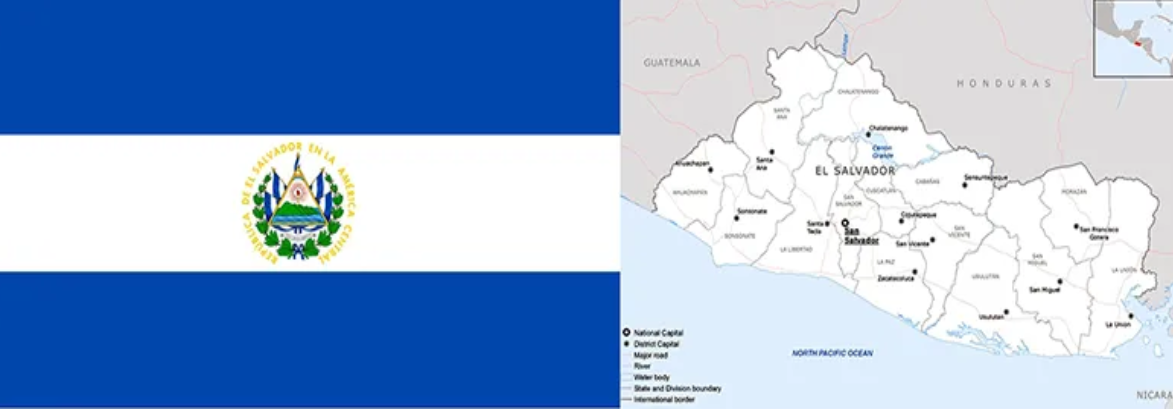
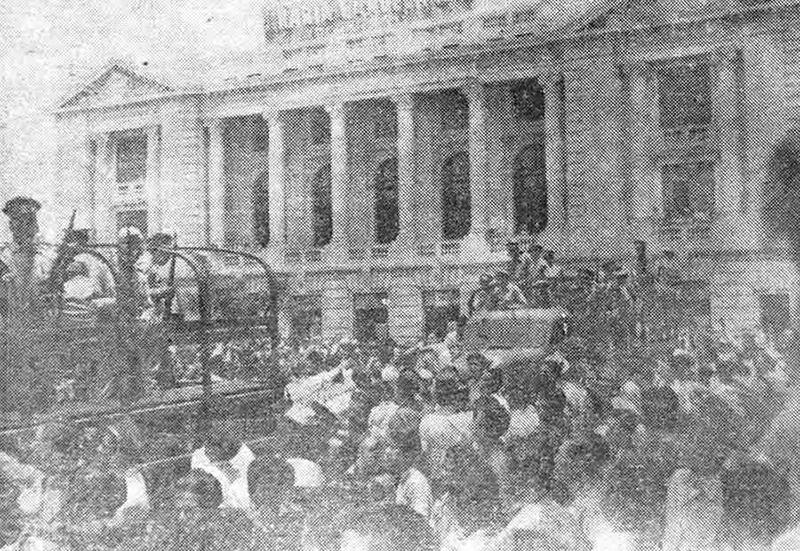
El Salvador’s involvement in World War II was characterised by its alignment with the Allied powers, albeit with limited direct military engagement. On 8th December 1941, following the attack on Pearl Harbor, El Salvador declared war on Japan, and subsequently on Germany and Italy, aligning itself with the Allies. During this period, El Salvador experienced economic growth due to increased demand for its agricultural exports, such as coffee and cotton, which were vital commodities for the war effort. This economic boom led to modernization in both military and public infrastructure, influenced by closer ties with the United States.
The war also served as a catalyst for political change within the country. The existing fascist-leaning dictatorship faced growing opposition, leading to a shift towards democratic ideals and the eventual ousting of the authoritarian regime. While El Salvador did not engage in significant combat during World War II, the era set the stage for future internal conflicts.
The economic and political transformations of the 1940s contributed to social tensions that later culminated in the Salvadoran Civil War from 1980 to 1992. This civil war resulted in approximately 75,000 deaths, widespread human rights abuses, and significant displacement of civilians, profoundly affecting women and children. The legacy of these conflicts has had lasting impacts on Salvadoran society, contributing to ongoing challenges such as economic inequality, social unrest, and migration patterns.
The experiences of women during these periods have also influenced contemporary gender dynamics and efforts towards achieving gender equality in the country. Whilst El Salvador’s direct involvement in World War II was limited, the period marked significant economic and political shifts that influenced the nation’s trajectory in the ensuing decades.
The internal conflicts that followed had profound human and economic costs, the effects of which continue to shape the country’s today.
(Never Again – for Humanity)