World War II
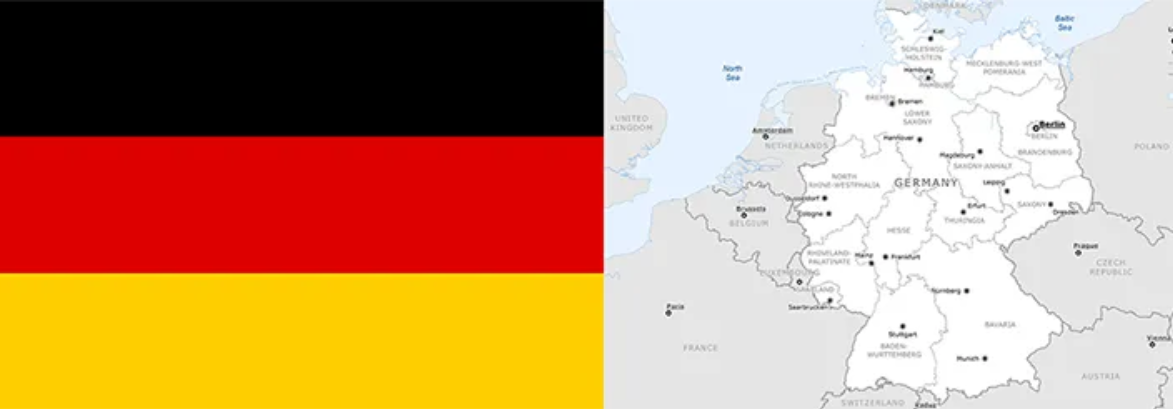
Germany
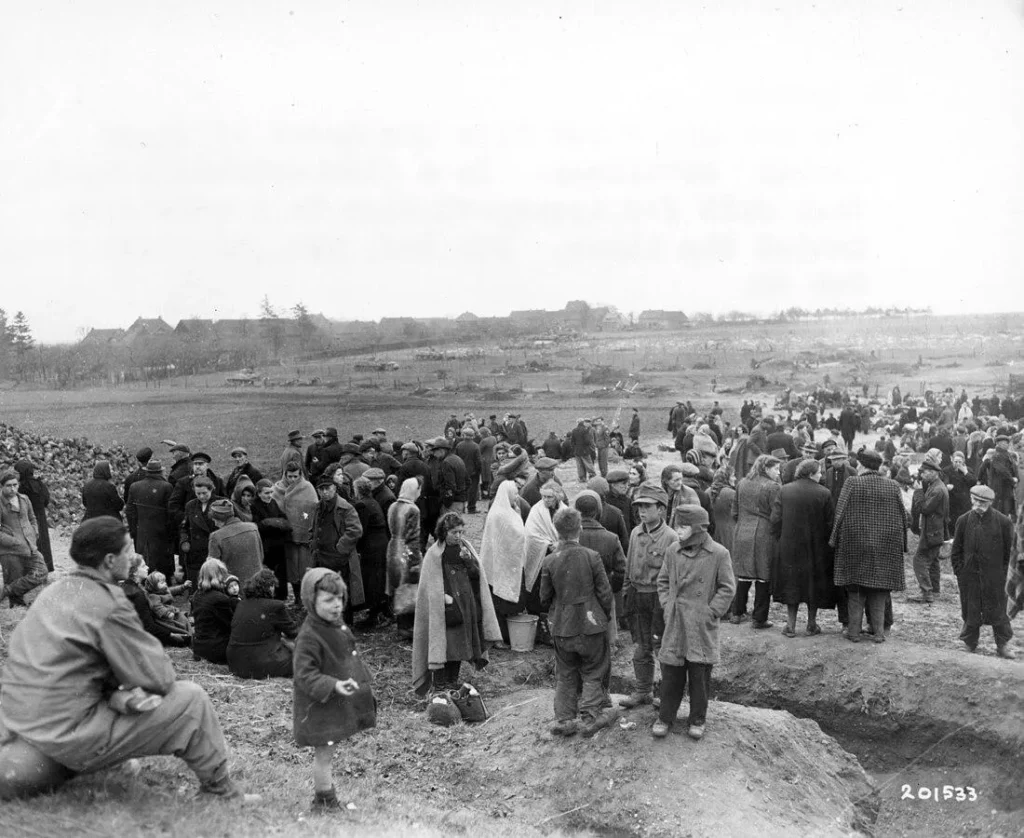

World War II was profoundly shaped by Germany’s aggressive expansionist policies under Adolf Hitler’s Nazi regime. The war’s initiation was marked by Germany’s invasion of Poland, leading to a global conflict that resulted in unprecedented devastation. Germany’s military strategy, characterised by the rapid and forceful “Blitzkrieg” tactics, led to the swift occupation of much of Europe.
The Wehrmacht, Germany’s unified armed forces, reached a peak strength of approximately 13 million soldiers during the war. However, this extensive military engagement came at a staggering human cost. Estimates indicate that German military fatalities totaled around 5.3 million, with many of these losses occurring on the Eastern Front against the Soviet Union. Over 6 million German soldiers were wounded and approximately 11 million were taken as prisoners of war.
Allied strategic bombing campaigns targeted industrial and urban centers, leading to significant civilian casualties and widespread destruction. German civilian deaths due to these bombings range from approximately 350,000 to 500,000 individuals. Beyond the immediate loss of life, these bombings resulted in the displacement of millions, with many losing their homes and livelihoods. Women and children were disproportionately affected, bearing the brunt of the war’s social and economic disruptions.
The war also saw the implementation of forced labor programs, with millions of civilians from occupied territories subjected to harsh working conditions in Germany, further highlighting the extensive human rights abuses during this period. The Nazi regime’s focus on rearmament and war efforts led to significant economic strain.
By 1939, military expenditures accounted for a substantial portion of Germany’s Gross National Product (GNP), with military investment surpassing civilian investment from 1936 onwards. This militarisation of the economy was funded through deficit spending and the exploitation of resources from occupied territories. The war resulted in the destruction of approximately 20% of all housing, and industrial output in 1947 was only one-third of its 1938 level.
In the immediate post-war years, Germany faced hyperinflation, food shortages, and a devastated infrastructure. The implementation of the Marshall Plan by the United States provided crucial aid, facilitating economic recovery and laying the foundation for the “Wirtschaftswunder” or economic miracle in West Germany during the 1950s and 1960s.
The aftermath of World War II led to profound societal changes in Germany. The division of the country into East and West Germany resulted in differing political and economic systems, with the East under communist rule and the West developing into a democratic state with a social market economy. The war’s legacy also prompted a national reckoning with the atrocities committed during the Nazi era, leading to ongoing efforts in education, memorialisation, and legal restitution.
Germany’s role in World War II was marked by aggressive military expansion, resulting in extensive military and civilian casualties, severe economic disruption, and lasting societal changes. The war’s legacy continues to shape the country’s national consciousness and its approach to international relations.
(Never Again – for Humanity)