World War II
Ghana
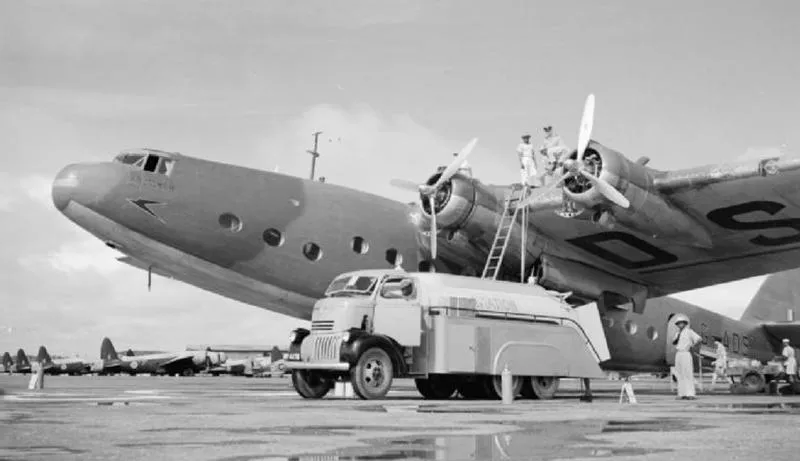

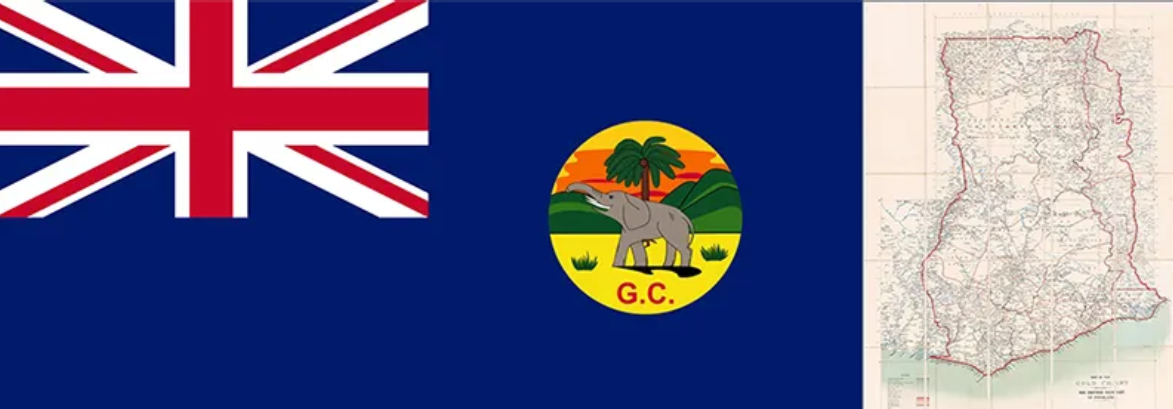
During World War II, Ghana, then known as the Gold Coast, played a significant role as part of the British Empire. The country officially entered the war on September 3, 1939, contributing both manpower and economic resources to the Allied war effort. Approximately 75,000 soldiers from the Gold Coast served in the British Army during the conflict, primarily within the Royal West African Frontier Force, which took part in key campaigns across East Africa, North Africa, and Southeast Asia.
Ghanaian soldiers participated in battles in Ethiopia, Burma, and Italy, where they fought against Axis forces under harsh conditions. Despite the racial discrimination they faced, Ghanaian soldiers proved instrumental in several key engagements, including the East African Campaign, where they helped secure Allied control over Ethiopia, and the Burma Campaign, where they fought in the dense jungles against the Japanese. The casualties from the Gold Coast were significant, with an estimated 2,000 soldiers losing their lives, while another 1,000 were wounded, and many more were affected by tropical diseases such as malaria, which claimed numerous lives and left many soldiers with lasting physical ailments.
In addition to the military contributions, Ghana’s economic role during the war was vital to the Allied war effort. The Gold Coast was the world’s largest producer of cocoa, and cocoa exports increased dramatically during the war to meet the demands of the British. The colony also supplied key minerals, including gold, bauxite, and manganese. The economic benefits from wartime resource extraction led to some industrial growth, but the exploitation of workers, particularly in the mining and agricultural sectors, resulted in harsh labour conditions, inflation, food shortages, and widespread poverty, which disproportionately affected women, children, and the broader civilian population.
As men were conscripted into military service or war-related industries, women took on expanded roles, managing farms, engaging in small-scale trade, and assisting in wartime voluntary efforts such as nursing, fundraising, and logistical support for the British forces. However, they continued to face systemic gender inequality and were largely excluded from positions of political power or decision-making.
The economic strain was particularly severe for civilians, with the wartime economy causing drastic price increases for food and basic goods, pushing many families into further poverty.
After the war ended in 1945, the Gold Coast faced a difficult transition, as many returning soldiers were unable to find work and struggled with reintegration despite their sacrifices. The post-war period also saw increasing dissatisfaction among the population due to the colonial administration’s failure to grant political rights or adequate recognition to those who had served in the war. This frustration fueled the rise of nationalist movements, and many former soldiers became key figures in the fight for independence.
The British colony’s economy, which had been heavily dependent on resource extraction, faced a post-war slump as demand for wartime goods decreased, leading to widespread economic instability exacerbated by inflation and unemployment. Political unrest began to escalate, culminating in strikes, protests, and the formation of labour and political movements that pushed for greater rights, economic opportunities, and self-governance.
Ghanaian soldiers, having fought alongside Europeans and other nationalities during the war, returned with a heightened sense of political awareness and demanded equality, leading to significant pressure on the British colonial administration. By 1957, the Gold Coast had become the first African country to achieve independence, primarily driven by the political activism that had emerged during the war period. The costs of the war on Ghana were multifaceted, including the loss of lives, the exploitation of its resources, and the deepening of social and economic inequalities, particularly in the areas of labour rights and racial discrimination. Despite its military and financial contributions, the colonial government continued to prioritise the interests of European settlers, exacerbating the divisions between the minority elite and the broader population.
Today, the legacy of World War II in Ghana is evident in its post-independence political structure, labour movements, and national consciousness regarding self-determination and equality, as the war catalysed the broader decolonisation movement across Africa.
The role of Ghanaian soldiers remains an important, though often overlooked, aspect of the nation’s history. Their contributions to the Allied war effort helped shape the political and social landscape that led to Ghana’s independence, setting an example for other African nations to follow in their pursuit of freedom and sovereignty.
The economic and social transformations initiated during the war have had lasting effects on Ghana’s development, with the country continuing to grapple with the legacy of colonial exploitation and striving for economic self-sufficiency and social justice.
(Never Again – for Humanity)