World War II
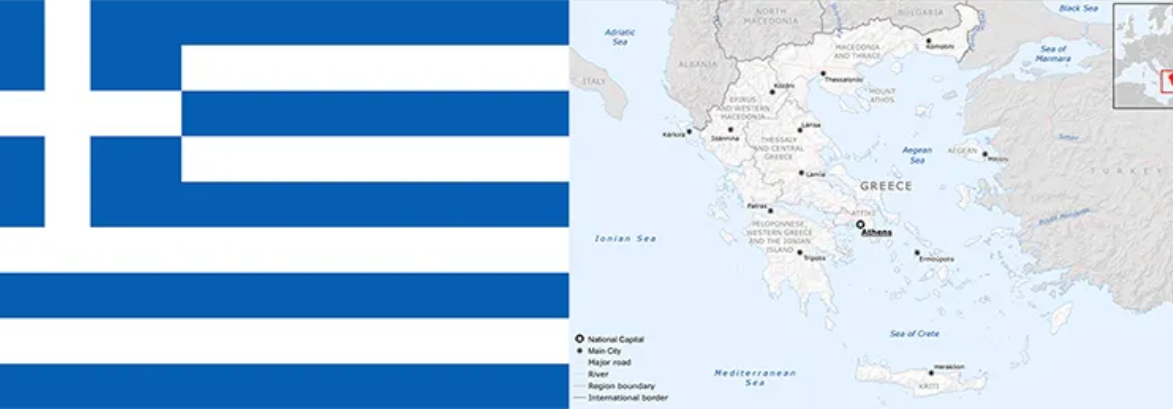
Greece
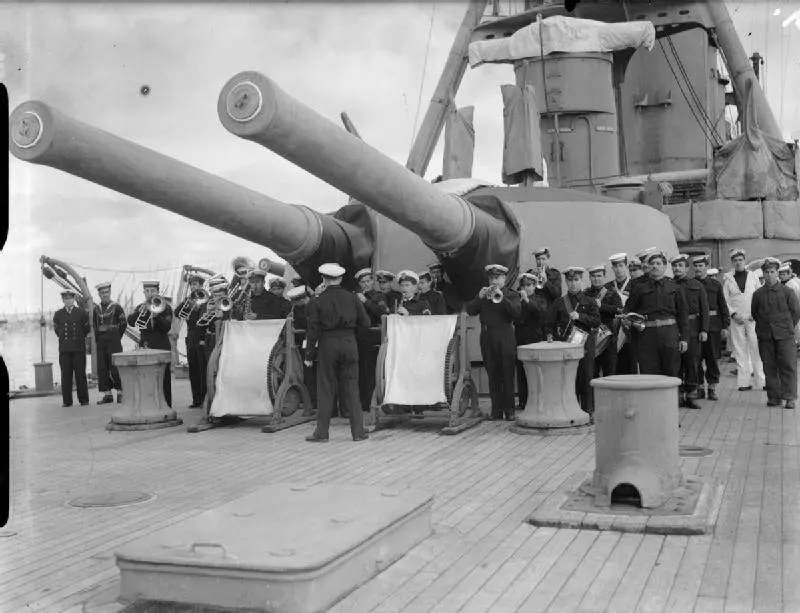
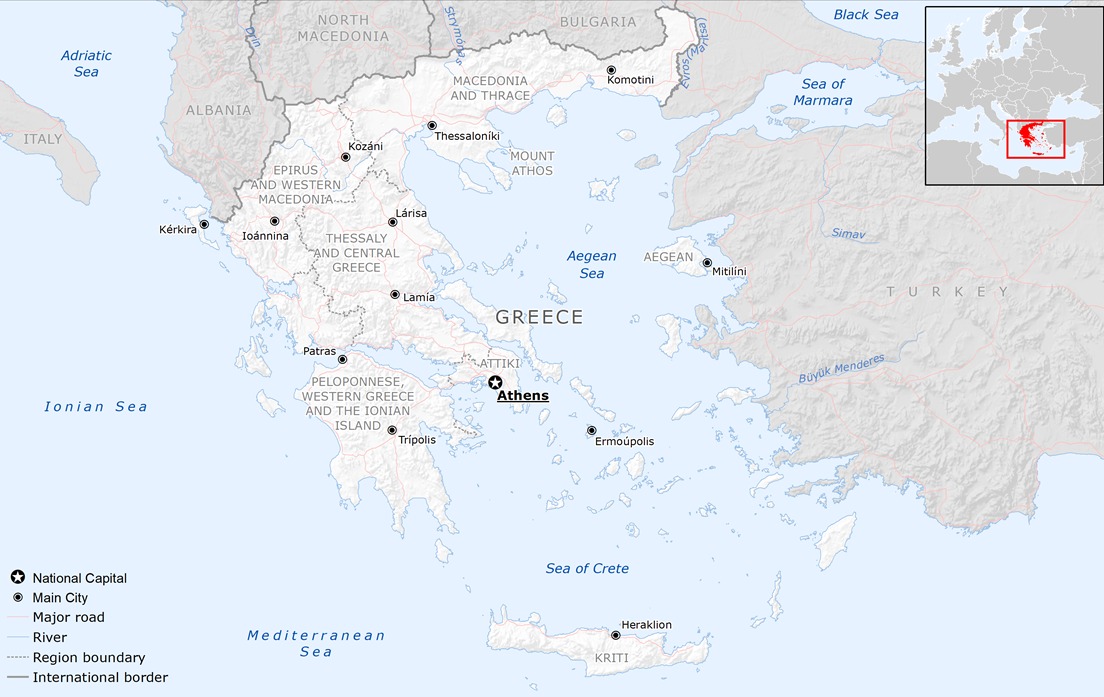
Greece’s involvement in World War II began on 28th October 1940, when it was invaded by Italian forces from Albania, marking the start of the Greco-Italian War. The Greek Army successfully repelled the invasion, pushing Italian forces back into Albania. This unexpected resistance prompted Nazi Germany to intervene, leading to the German invasion of Greece on April 6, 1941.
Despite assistance from British forces, Greece was overrun within a month, culminating in the capture of Crete in May 1941. The Axis occupation of Greece, which lasted until October 1944, had devastating consequences for the civilian population, including women and children.
The occupation led to widespread famine, with an estimated 300,000 deaths resulting from starvation and malnutrition. The Holocaust also had a profound impact on Greece’s Jewish community; between 82% and 92% of Greek Jews were murdered, primarily through deportations to concentration camps like Auschwitz.
Civilian casualties during the occupation were substantial, with estimates indicating that at least 171,845 civilians perished due to executions, deportations, bombings, and famine. The Greek Resistance emerged as a significant force against the occupiers, engaging in guerrilla warfare that tied down considerable Axis resources. However, this period also saw internal conflicts among resistance groups, leading to a civil war that lasted from 1946 to 1949 and resulted in approximately 158,000 deaths, further devastating the nation.
Economically, World War II and the subsequent civil war left Greece in ruins. The occupation forces plundered resources, leading to economic collapse and hyperinflation. The destruction of infrastructure hindered post-war recovery, and the civil war exacerbated these challenges, delaying economic stabilisation and development.
The long-term effects of World War II and the civil war are still evident in Greek society today. The conflicts caused deep political and social divisions that influenced Greece’s post-war trajectory, including its alignment during the Cold War and its internal policies. Efforts to address the atrocities committed during this period continue, such as the construction of a Holocaust Museum in Thessaloniki to honor the memory of the Jewish community decimated during the war.
The war and subsequent civil conflict resulted in significant loss of life within Greece, particularly among civilians, women, and children, and caused extensive economic and infrastructural damage. The legacy of these events continues to shape Greece’s society and collective memory.
(Never Again – for Humanity)