World War II
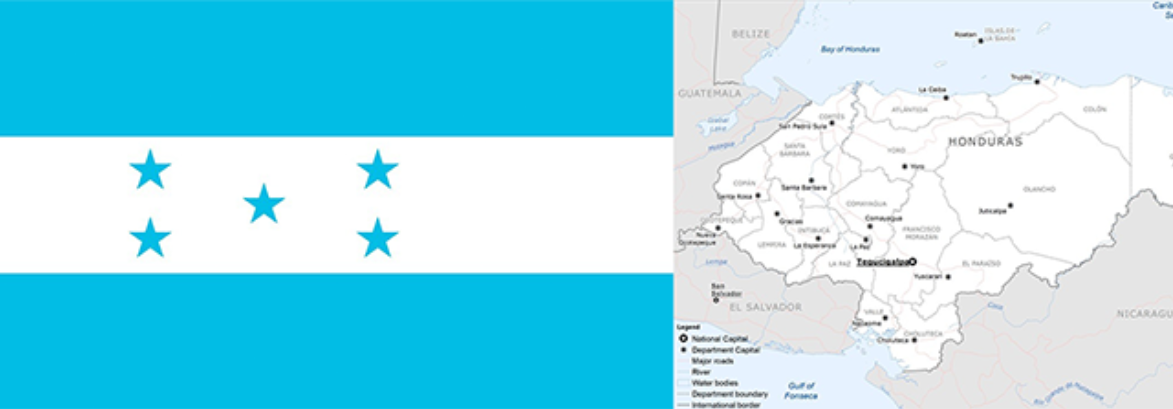
Honduras
Honduras declared war on Japan on 8th December 1941, following the attack on Pearl Harbor. On 12th December 1941, it extended its declarations to Nazi Germany and Italy. While Honduras’s direct military engagement during World War II was limited, the nation played a significant role through logistical support, resource provision, and strategic cooperation with Allied forces.
Honduras’s economy during the war was heavily oriented towards supporting the Allied effort. The country supplied a variety of raw materials, including fruits, oils, coffee, rubber, wood, and iron, to the United States. This export-driven economy led to the modernisation of infrastructure, such as railways and roads, facilitating efficient transportation of goods to ports. However, this focus on exports resulted in shortages of essential goods domestically, affecting the daily lives of civilians.
The civilian population endured hardships during the war years. The prioritisation of exports over domestic needs led to scarcity of essential goods, impacting the quality of life. Additionally, the Honduran merchant navy faced significant threats from German U-boats operating in the Caribbean. Several ships were attacked, resulting in at least 190 civilian casualties.
The end of World War II brought significant changes to Honduras. The close relationship with the United States during the war led to the adoption of American military models and equipment. This influence shaped the structure and strategy of the Honduran armed forces in the subsequent decades.
Economically, the post-war period saw a shift towards industrialisation, particularly in the southern regions, as commercial agriculture expanded. However, this growth also led to environmental concerns, including deforestation due to slash-and-burn agricultural practices.
The war’s aftermath influenced migration patterns, with many Hondurans seeking opportunities abroad, particularly in the United States. Remittances from these migrants became a crucial component of the national economy in the following decades. While Honduras’s direct military involvement in World War II was limited, the conflict had a lasting impact on its economy, military, and society.
The post-war era saw significant shifts in military alignment, economic practices, and social structures, the effects of which are evident in contemporary Honduran society.
(Never Again – for Humanity)