World War II
Japan
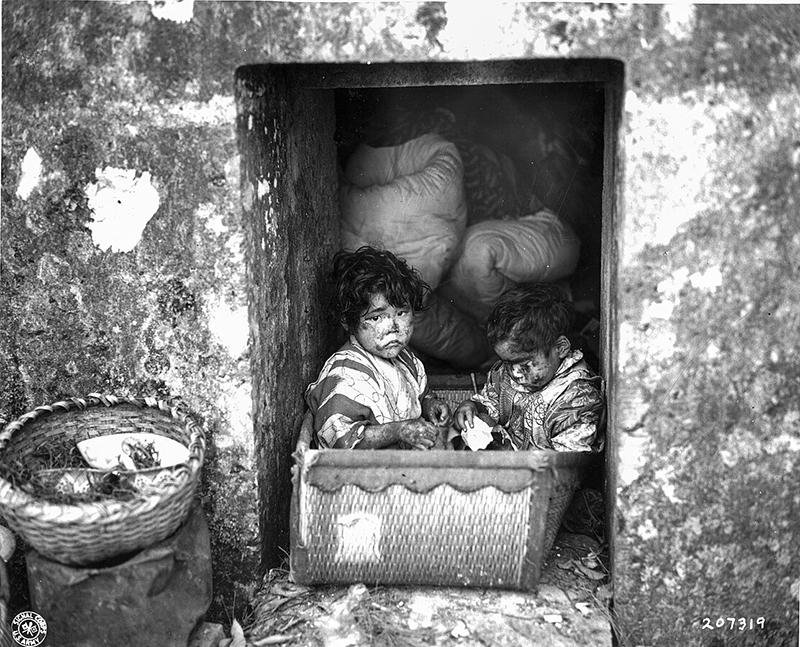
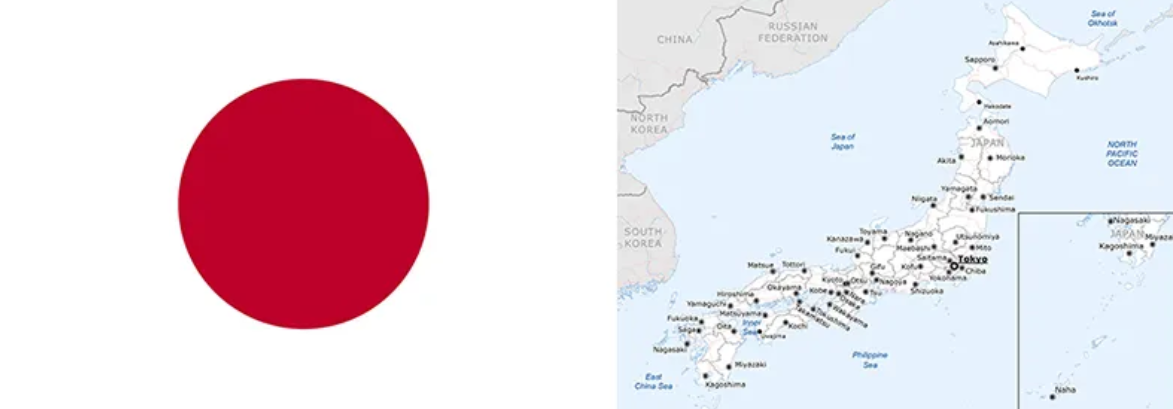
Japan’s involvement in World War II began on 7th December 1941, with Japan’s surprise attack on Pearl Harbor. Throughout the war, Japan suffered extensive losses. Approximately 2.1 million Japanese military personnel perished, with civilian deaths estimated between 500,000 to 800,000. Many civilian casualties resulted from widespread bombings, including the devastating firebombing of Tokyo on March 10, 1945, which alone claimed over 100,000 lives, predominantly women, children, and the elderly. The atomic bombings of Hiroshima and Nagasaki in August 1945 resulted in immediate deaths estimated at 70,000 and 40,000 respectively, with many more succumbing to injuries and radiation effects in the following years.
The civilian population endured severe hardships due to food shortages, displacement, and the constant threat of air raids. Women and children were particularly vulnerable, facing malnutrition and loss of shelter. The government’s mobilisation policies also conscripted many civilians, including women and teenagers, into labor and defense roles, further exposing them to the war’s dangers. By the war’s end, Japan’s economy was devastated. Industrial output had plummeted, infrastructure lay in ruins, and major cities were extensively damaged.
The destruction of factories and transportation networks led to widespread unemployment and crippled production capabilities. The loss of overseas territories further strained resources, exacerbating the economic crisis. Following its surrender on 2nd September 1945, Japan underwent a period of occupation and reconstruction led by Allied forces, primarily the United States, from 1945 to 1952. This era saw significant political, social, and economic reforms, including the adoption of a pacifist constitution in 1947, which renounced war and prohibited the maintenance of armed forces for warfare. Land reforms and the establishment of democratic institutions were implemented to stabilise the nation.
The collective memory of wartime suffering has fostered a strong pacifist sentiment among the populace. Japan’s post-war constitution, particularly Article 9, reflects this ethos by renouncing war and limiting military capabilities. However, ongoing debates about national security and regional threats have led to discussions about reinterpreting or amending this pacifist stance.
In summary, Japan’s role in World War II brought about extensive loss of life, especially among civilians, and left the nation economically shattered. The subsequent occupation and reforms paved the way for Japan’s transformation into a peaceful and prosperous society, with the war’s experiences continuing to shape its national identity and policies.
(Never Again – for Humanity)