World War II
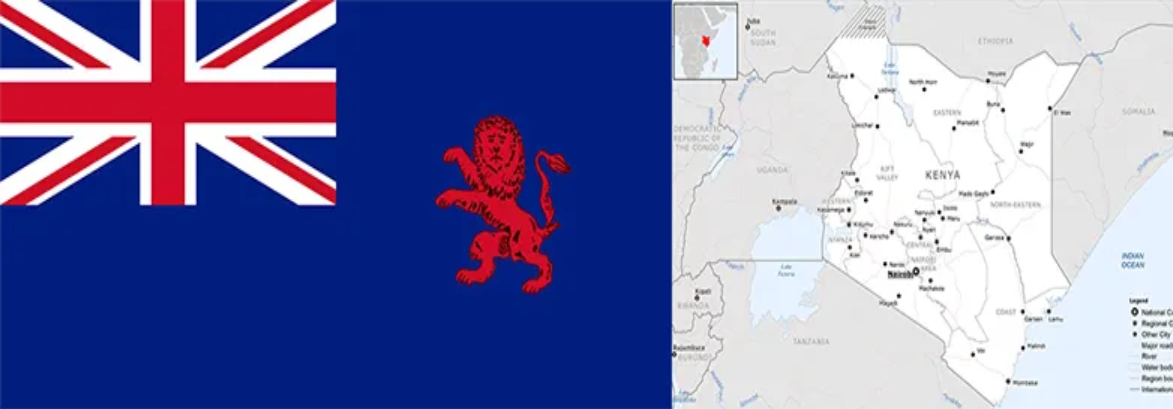
Kenya
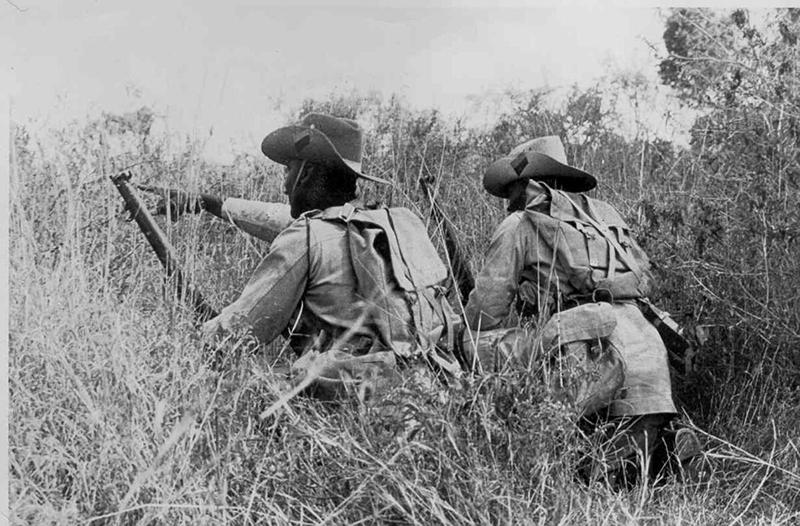
During World War II, Kenya, a British colony at the time, played a pivotal role in supporting the Allied war effort, officially entering the war on 6th September 1939, and contributing both manpower and resources to the Allied forces, with over 120,000 Kenyan soldiers enlisting in the British Army, predominantly within the King’s African Rifles, which was involved in key campaigns across East Africa, the Middle East, and Asia, including the East African Campaign, where Kenyan soldiers fought against Italian forces in Ethiopia and Somalia, and in Burma, where they battled against the Japanese in harsh jungle conditions, suffering significant casualties. Estimates suggest that around 3,000 Kenyan soldiers lost their lives during the war, while many more were wounded, captured, or left with long-term health issues such as tropical diseases.
The economic impact of the war on Kenya was profound, as the colony became a crucial supplier of agricultural products, including tea, coffee, and maize, as well as raw materials such as timber and sisal, which were essential to the British war effort, leading to a temporary economic boom that saw increased industrial activity, infrastructure development, and higher demand for labor, especially in the agricultural and mining sectors. However, this economic growth was largely uneven, as wealth and economic benefits were disproportionately concentrated in the hands of the white settlers and the colonial administration, while the African population faced exploitation, poor wages, and harsh labor conditions.
The war also highlighted racial inequalities, as large numbers of African men were conscripted into the military and labor forces, but the majority returned home to find that their rights, wages, and living conditions had not improved, fueling growing resentment.
Women played a critical role on the home front during the war, stepping into roles traditionally held by men as they took on agricultural work, traded goods, and assisted with wartime efforts, including organising voluntary activities to support British troops. However, they faced limited political rights and were largely excluded from the formal decision-making processes of the colonial government. Children, especially in rural areas, also suffered indirectly from the war, as food shortages, rising prices, and a lack of male labor due to conscription and wartime service put increased pressure on families, while many also faced the trauma of losing family members to the conflict or experiencing the psychological and physical effects of wartime instability.
Following the war, Kenya experienced a difficult transition as the economy faced challenges such as inflation, unemployment, and a decline in the demand for wartime products, which led to a reduction in available jobs and resources, particularly for returning soldiers, many of whom were left without adequate support or recognition for their contributions. Despite their sacrifices, many African soldiers and workers returned to find that their lives had not improved, and they continued to face systemic discrimination and racial segregation.
The end of the war in 1945 marked the beginning of significant political and social changes in Kenya, as the frustrations and demands for independence from both soldiers and civilians began to grow, with many of the veterans becoming key figures in the struggle for independence, particularly through their involvement in the burgeoning nationalist movements that were increasingly critical of the colonial government and its policies.
The economic benefits of wartime production were concentrated in the hands of a small elite, with many Kenyans remaining in poverty, particularly the African labor force, which was often subjected to discriminatory policies such as low wages, forced labor, and land dispossession.
By the late 1940s and early 1950s, this inequality led to increased unrest, culminating in the Mau Mau Uprising, a violent anti-colonial insurgency that sought to challenge British colonial rule and the dominance of the white settler population, ultimately contributing to Kenya’s path to independence in 1963.
Today, the legacy of World War II in Kenya is evident in its ongoing social and economic struggles, as the war was a catalyst for the country’s later political movements, its eventual independence, and the transformation of its labor and military structures, though the inequalities and racial tensions exacerbated by the war continue to influence Kenya’s development, particularly in relation to land ownership, labor rights, and political representation.
(Never Again – for Humanity)