World War II

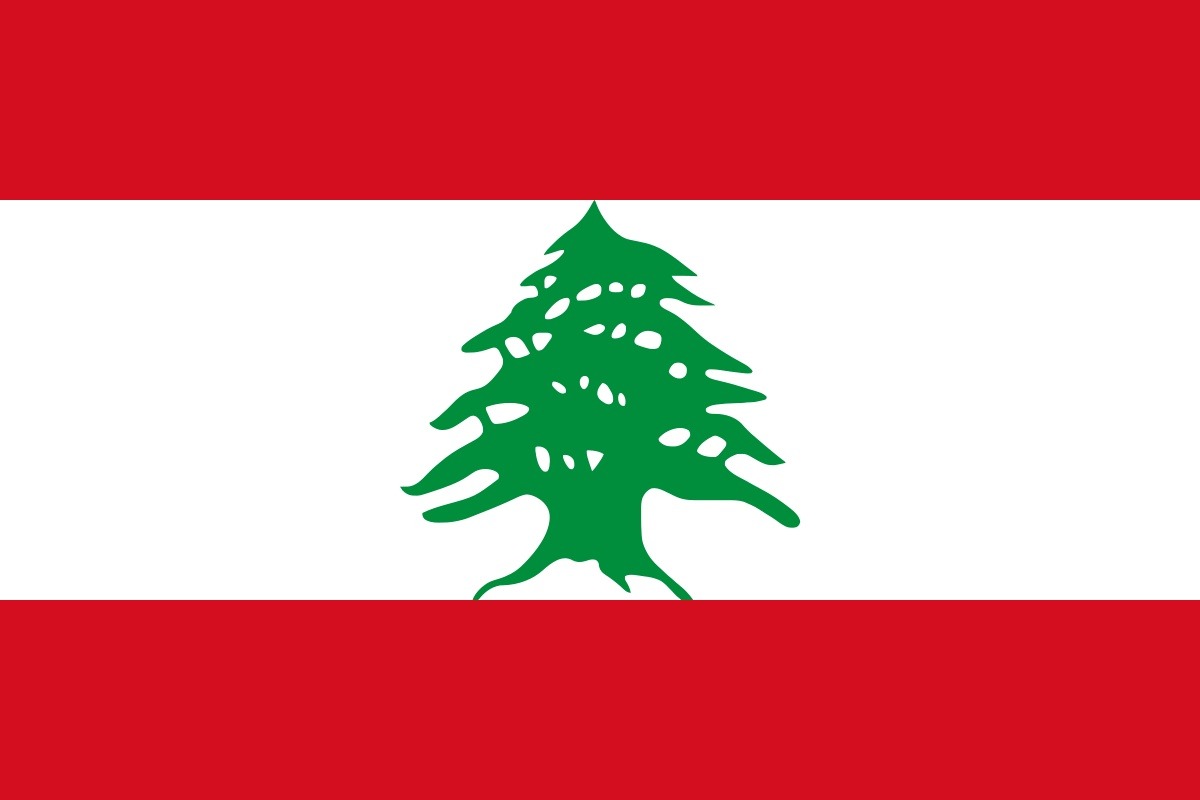
Lebanon
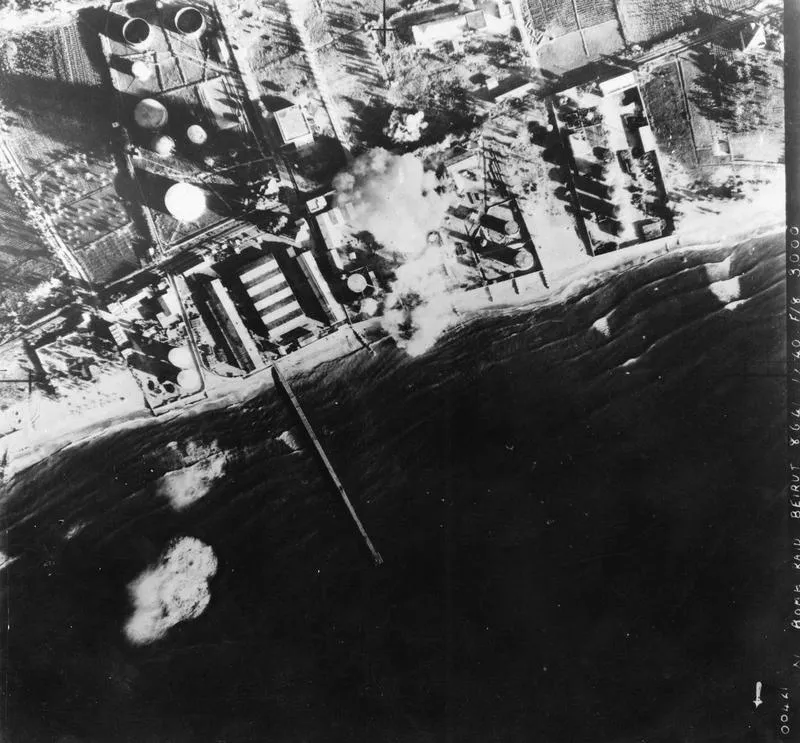
World War II significantly influenced Lebanon’s political, social, and economic landscape. During this period, Lebanon experienced both direct and indirect impacts that have resonated through its subsequent history. At the onset of World War II, Lebanon was under the French Mandate, a legacy of the post-World War I settlement.
In 1940, as France faced German occupation, the Vichy regime, which collaborated with Nazi Germany, exerted influence over its territories, including Lebanon. This alignment led to tensions with the Free French Forces, who opposed Vichy rule. In July 1941, British and Free French forces launched the Syria-Lebanon Campaign to oust Vichy forces. The campaign culminated in the surrender of Vichy forces in Lebanon by July 12, 1941, ending Vichy influence in the region. While Lebanon was not a primary battleground during World War II, its civilian population faced hardships.
The war disrupted trade routes, leading to food shortages and economic challenges. The broader Middle East region experienced significant civilian suffering during subsequent conflicts, notably the Lebanese Civil War, which took place from 1975 to 1990, which resulted in approximately 150,000 deaths, including many civilians.
The disruption of trade routes and the reorientation of global trade affected Lebanon’s economy, leading to shortages and inflation. The war period also saw increased poverty levels, with reports indicating that child poverty rose significantly due to the economic downturn.
Additionally, there was a noted increase in violence against women and girls during this time. In the aftermath of World War II, Lebanon gained independence from French rule in 1943. The post-war period ushered in significant political reforms, including the establishment of a confessional political system that allocated power among the country’s religious sects. However, this system also sowed the seeds for future sectarian tensions, contributing to political gridlock and eventual conflict.
The challenges faced during and after World War II continue to affect Lebanon’s political landscape, with ongoing debates about governance, sectarianism, and national unity. Lebanon’s experience during World War II was characterised by political shifts, economic hardships, and social challenges.
The war’s legacy is evident in the nation’s current societal and political dynamics, offering insights into the complexities of post-colonial state-building and the enduring impact of global conflicts on regional societies.
(Never Again – for Humanity)