World War II
Malaya
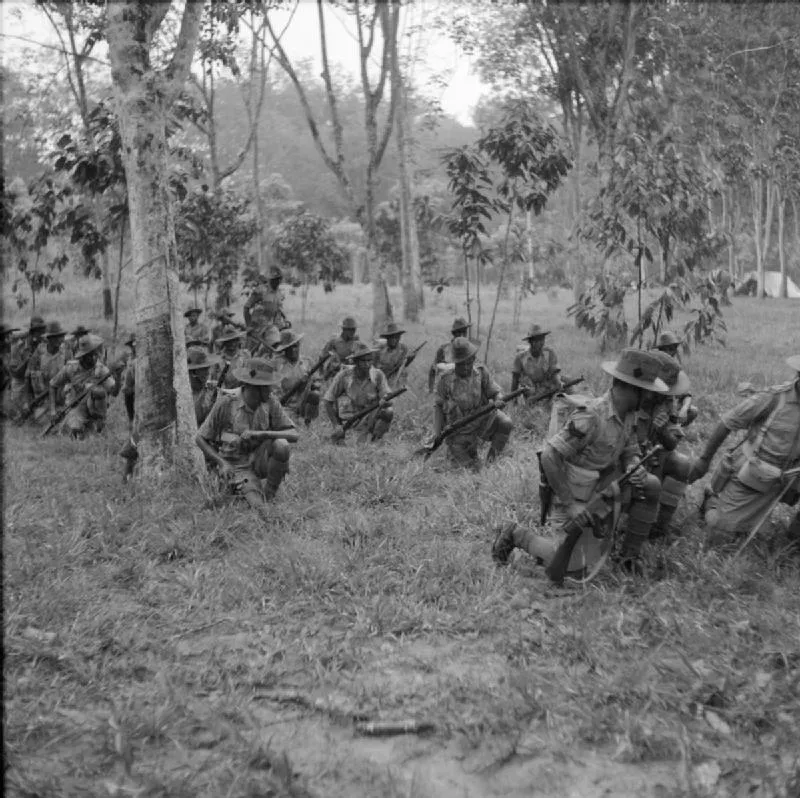

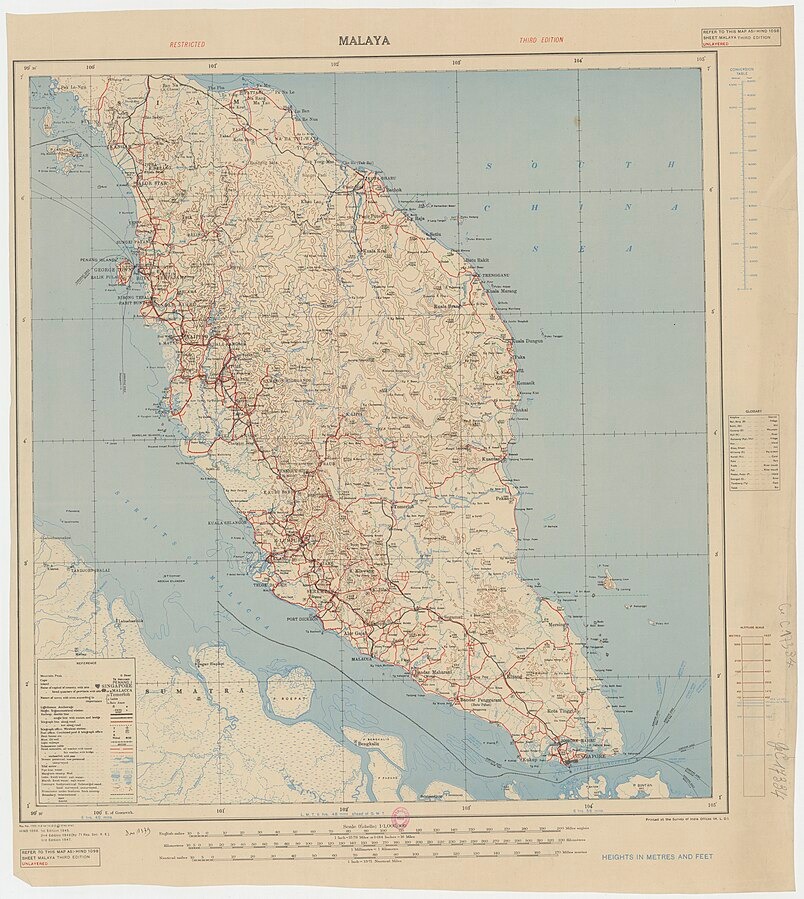
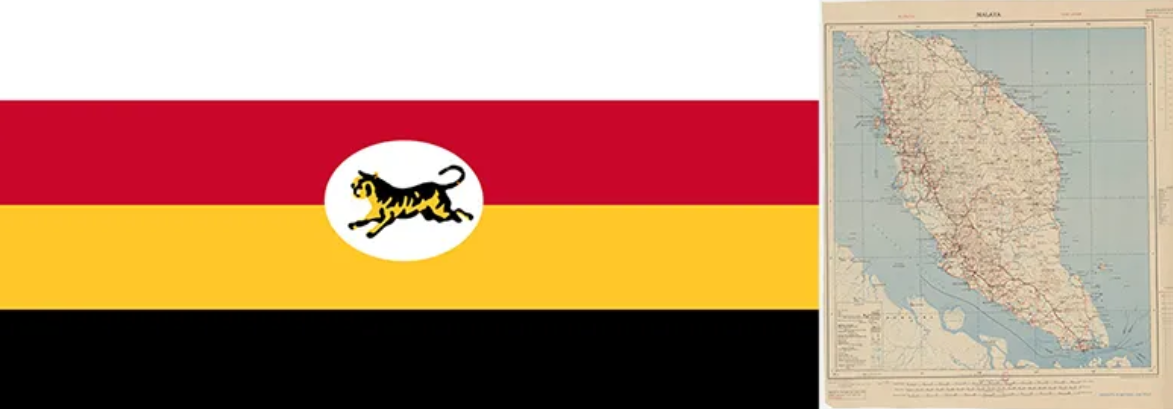
Malaya, which was under British colonial rule at the outbreak of World War II, played a pivotal role during the conflict, particularly due to its strategic importance and abundant resources, including rubber and tin, which were vital to both the Allies and the Axis powers. The war’s impact on Malaya began in December 1941, when Japan launched a rapid and brutal invasion, marking the beginning of a protracted conflict.
The Japanese military, numbering approximately 100,000 troops, advanced swiftly from southern Thailand, overwhelming the British and Commonwealth forces, who were ill-prepared for the assault despite the presence of about 85,000 soldiers. The invasion was a devastating blow to the British Empire, with Malaya falling into Japanese hands by 15th February 1942, and the British retreating to Singapore.
The civilian population in Malaya, particularly women and children, suffered horrific atrocities during the Japanese occupation. Thousands of civilians were killed, with some estimates placing the death toll at over 50,000, the majority being ethnic Chinese, who were targeted by the Japanese for their perceived hostility to Japanese rule. Women, especially, faced unimaginable hardships, with many being forced into sexual slavery by the Japanese military, an atrocity that has left deep scars in the region’s collective memory. Children, too, suffered from malnutrition, disease, and violence, as the Japanese sought to maintain control over the population through terror and intimidation.
The Japanese occupation of Malaya also saw the implementation of harsh labor practices, with thousands of civilians, including women and children, being conscripted for forced labor, most notably in the construction of the infamous Burma-Thailand Railway. This grueling project saw more than 100,000 workers from Malaya, Thailand, and other occupied territories, including many civilians, perish from disease, starvation, and exhaustion.
As Malaya’s economy was disrupted by the Japanese occupation, the agricultural and mining industries, which had been the backbone of the colony’s economy, were decimated, and the supply of rubber and tin was severely affected, contributing to widespread poverty and famine. The Japanese military also relied heavily on the resources of the region to fuel their war effort, which drained Malaya’s economy further.
With the surrender of Japan in August 1945, Malaya was liberated, but the aftermath of the occupation left a fractured society, deeply affected by the violence, trauma, and losses of the past years. The British returned to Malaya, but their position was greatly weakened, both politically and economically, and they faced growing resistance from the local population.
The brutal treatment of civilians, including the atrocities committed against women and children, left a lasting legacy of mistrust and anger. The economic recovery was slow, as the damage to Malaya’s infrastructure and industries was extensive, and the region struggled to rebuild in the face of political instability. The social and psychological scars of the war remained, particularly among the survivors who had endured forced labor, sexual slavery, and the deaths of loved ones.
As the years went on, the war’s impact on Malaya became more evident in the rise of nationalist movements, driven by resentment towards both the Japanese occupation and the British colonial administration. The harsh experiences of the war led to greater demands for independence, with these movements eventually culminating in the independence of Malaya in 1957.
The war’s economic toll had long-lasting effects, with Malaya’s economy struggling for decades after the war, though the country eventually rebuilt its industries and reasserted its role as a key producer of rubber and tin.
Today, the legacy of World War II in Malaya is remembered through memorials and educational efforts that highlight the suffering of civilians, particularly women and children, and the lasting effects of the occupation. The impact of the war on Malaya also shaped the country’s post-war political landscape, as it became a foundation for the growth of independence movements and the eventual creation of modern Malaysia.
The trauma endured by the civilian population, especially those who were victims of forced labor and sexual violence, has left an indelible mark on the collective memory of the nation, contributing to a deeply held national ethos that values independence, resilience, and remembrance of the past.
(Never Again – for Humanity)