World War II
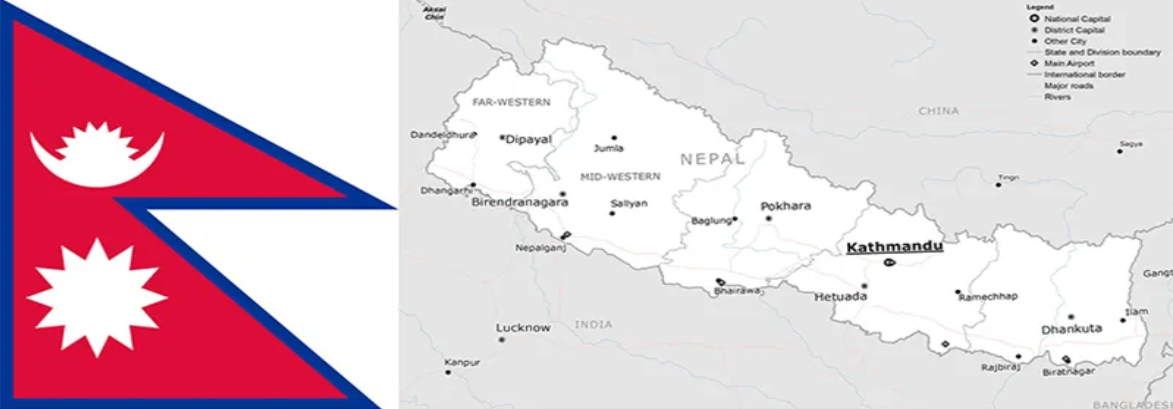
Nepal
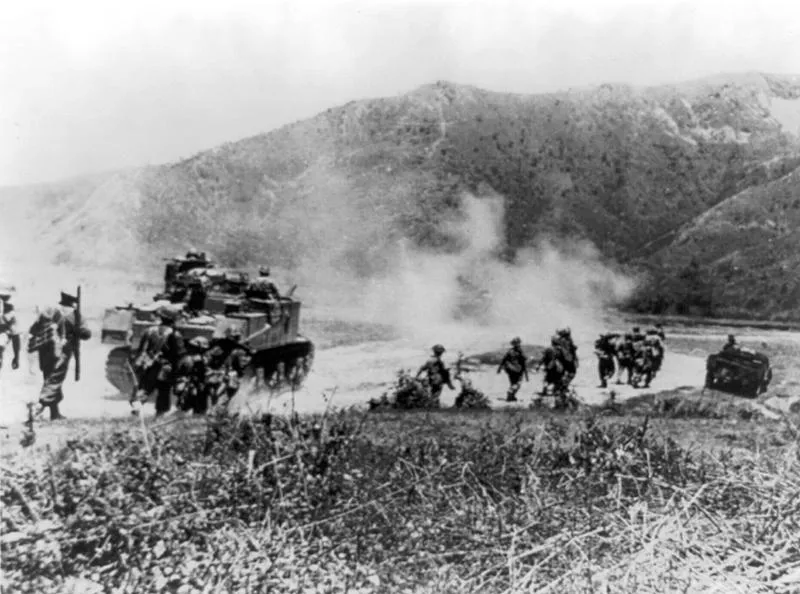
Nepal was significant in supporting the Allied forces during World War II. On 4th September 1939, shortly after the German invasion of Poland, the Kingdom of Nepal declared war on Germany, aligning itself with the Allied powers.
Nepal’s military support was substantial; the country dispatched sixteen battalions of the Royal Nepalese Army to the Burmese front, where they engaged in combat against Japanese forces. In addition to personnel, Nepal supplied guns, equipment, and vast quantities of essential commodities such as tea, sugar, and raw materials like timber to aid the Allied war effort.
Specific data on Nepalese casualties during World War II are limited. However, historical records indicate that during World War I, the Gurkha regiments suffered over 20,000 casualties, contributing to a decline in Nepal’s population from 5.6 million to 5.5 million between 1911 and 1920.
The mobilisation of a significant portion of the male population for the war effort led to notable shifts in Nepalese society. Women assumed greater responsibilities, managing households and engaging in agricultural and economic activities traditionally undertaken by men. Children faced changes too, often taking on additional duties at home and in the fields, which affected their education and childhood experiences.
This period saw a blend of economic challenges and advancements, as the nation balanced the demands of war with domestic needs. Following the end of World War II, Nepal experienced both immediate and long-term effects. The return of soldiers brought about social changes, as veterans sought to reintegrate into civilian life, bringing with them new perspectives and skills acquired during the war.
The war also highlighted the need for modernisation within Nepal, influencing subsequent political and social reforms. The legacy of World War II has influenced Nepal’s societal structures, economic policies, and views on gender roles.
The conflict underscored the resilience of the Nepalese people and their capacity to adapt in times of global turmoil, lessons that continue to resonate in contemporary society.
Nepal’s role in World War II was marked by significant military contributions, from substantial resource support, and profound social changes with soldiers serving in many nations’ armies.
(Never Again – for Humanity)