World War II

New Zealand
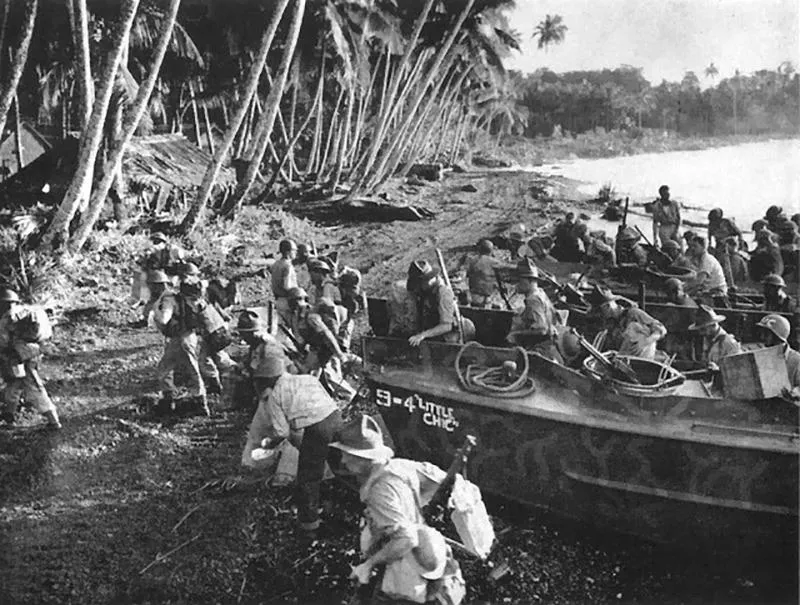

On 3rd September 1939, New Zealand declared war on Germany, aligning with the Allied powers. Approximately 140,000 New Zealand military personnel served overseas during the war, with an additional 100,000 men enlisted in the Home Guard for domestic defense.
At its peak in July 1942, New Zealand had 154,549 men and women under arms (excluding the Home Guard), and by the war’s end, a total of 194,000 men and 10,000 women had served in the armed forces both at home and abroad.
The conflict resulted in the loss of approximately 11,625 New Zealanders, equating to about one in every 150 citizens, marking one of the highest per capita death rates among the Allied nations.
The war demanded a substantial economic commitment from New Zealand. Approximately 38,000 women were directed into employment to fill positions vacated by men who had enlisted. These roles spanned various sectors, including manufacturing, engineering, and agriculture.
Despite their essential contributions, women were typically compensated less than their male counterparts, reflecting prevailing gender wage disparities. The increase in women’s workforce participation also led to concerns about children being left unsupervised, prompting discussions about the balance between economic demands and family welfare.
Following the war, New Zealand faced the challenges of reintegrating returning service members and transitioning to a peacetime economy. The experiences of women in the workforce during the war laid the groundwork for future discussions on gender roles and employment equity.
The war also influenced New Zealand’s national identity, fostering a sense of unity and resilience that has persisted in the collective consciousness. The legacy of World War II continues to shape New Zealand’s society to this day. Commemorative practices, such as Anzac Day, honor the sacrifices made and serve as reminders of the nation’s commitment to peace and international cooperation.
The war’s impact on societal structures, economic policies, and cultural norms remains a point of reflection, influencing contemporary discussions on national identity and social justice.
(Never Again – for Humanity)