World War II
Nicaragua
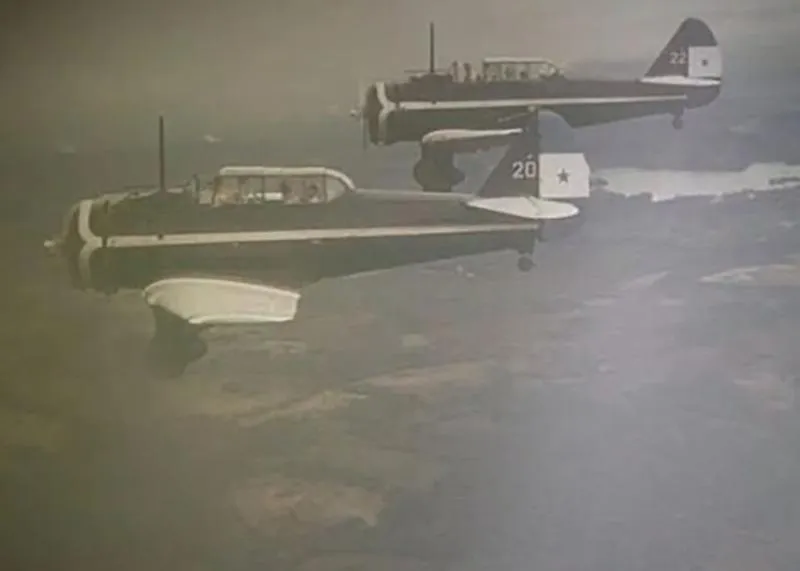
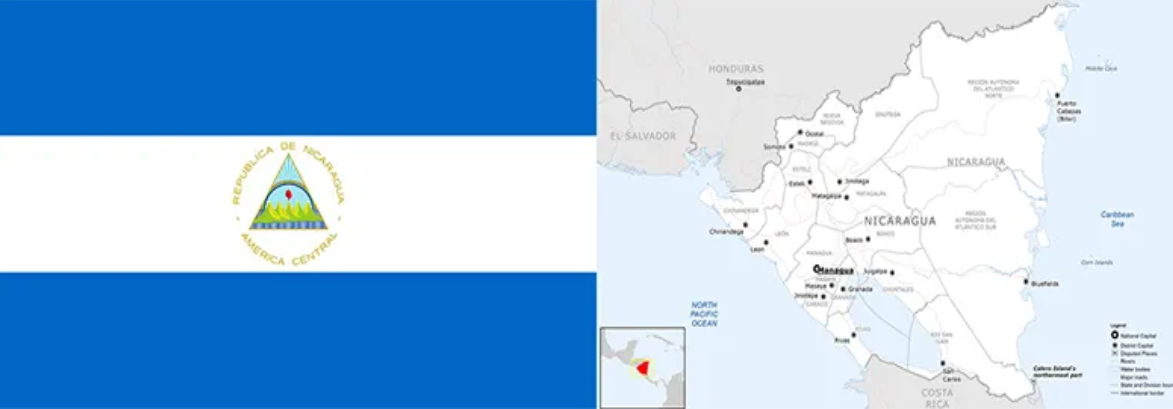
Nicaragua declared war on Japan on 8th December 1941, following the attack on Pearl Harbor, and subsequently on Germany and Italy on 11th December 1941. However, Nicaragua did not deploy military forces overseas during the conflict. Instead, the government of the time deployed measures such as confiscating properties owned by German Nicaraguan residents.
In 1945, Nicaragua was among the first countries to ratify the United Nations Charter.
While World War II had minimal direct impact on Nicaragua, the nation experienced significant internal conflicts in the decades that followed. The Nicaraguan Revolution, which culminated in 1979, resulted in approximately 50,000 deaths as the populace sought to overthrow a longstanding dictatorship. This period of intense violence led to the destruction of cities, factories, and farms, severely disrupting the nation’s infrastructure and economy.
The subsequent Contra War during the 1980s further devastated the country. Estimates indicate that around 30,000 Nicaraguans lost their lives in this counter-revolutionary conflict, with damages amounting to approximately $17.8 billion. The war also prompted about 200,000 Nicaraguans to flee the country, seeking refuge from the violence and economic hardships.
From 1980 to June 1987, there were 43,176 casualties on both sides, including 22,495 deaths, 12,065 wounded, and 8,616 kidnapped or captured. This represents around 1.25% of Nicaragua’s population at the time, with deaths alone accounting for 0.6%. The destruction of infrastructure and loss of human capital hindered economic development for years. Additionally, the psychological trauma affected thousands of families, particularly women and children who often bore the brunt of the conflicts.
The legacy of these wars continues to influence Nicaragua’s socio-economic landscape, with ongoing efforts to address past injustices and promote national reconciliation.
While Nicaragua’s direct involvement in World War II was limited, the subsequent internal conflicts of the late 20th century had profound and lasting effects on its population and development.
(Never Again – for Humanity)