World War II
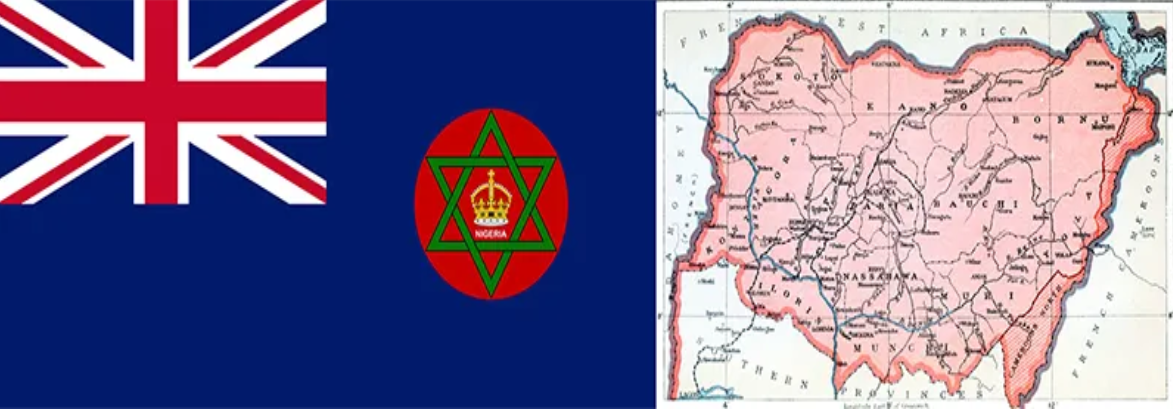
Nigeria
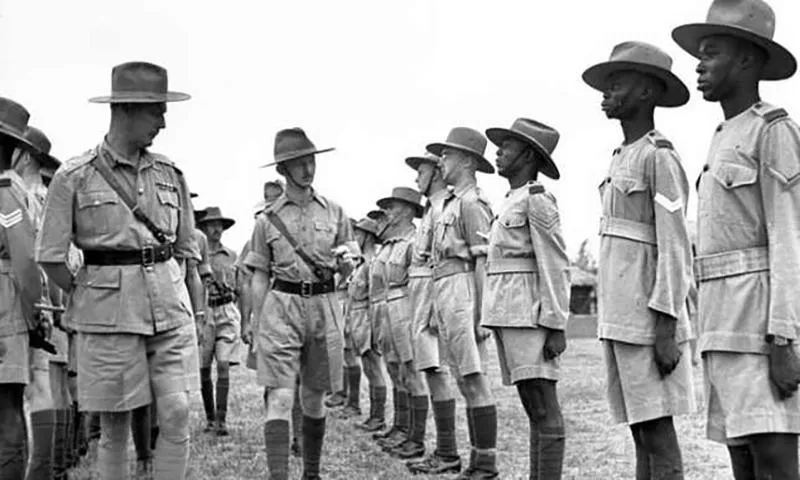


During World War II, Nigeria, a British colony at the time, played a crucial role in supporting the Allied war effort through military contributions, economic resources, and logistical support, officially joining the war on September 3, 1939, as part of the British Empire, with over 90,000 Nigerian soldiers enlisted in the British Army, primarily serving in the West African Frontier Force, which was deployed in key campaigns across Africa, the Middle East, and Southeast Asia, particularly in Ethiopia, Burma, and British India, where they played an essential role in defeating Axis forces in East Africa and fighting against the Japanese in the Burma campaign, enduring harsh jungle warfare conditions and earning recognition for their resilience and effectiveness in battle, with thousands of Nigerian troops being killed, wounded, or taken as prisoners of war. Though exact figures vary, estimates suggest that at least 3,500 Nigerian soldiers lost their lives during the conflict, while many more suffered long-term physical and psychological trauma.
Beyond its military contributions, Nigeria’s economy was significantly reshaped by the war, as its agricultural and mining industries were heavily exploited to supply Britain with essential raw materials such as tin, coal, palm oil, rubber, and groundnuts, leading to an economic boom that temporarily boosted employment but also intensified labor exploitation and widened social inequalities, as colonial authorities imposed heavy taxation and price controls that disproportionately affected Nigerian farmers and workers, leading to widespread hardship, food shortages, and inflation, with women and children suffering the most as male laborers were conscripted into the military or wartime industries, leaving families struggling to survive under worsening economic conditions, while women took on expanded roles in agriculture, trade, and wartime production, marking a shift in gender dynamics that would influence post-war economic participation, yet they remained largely excluded from political representation and decision-making.
The war also had a profound social and political impact, as Nigerian soldiers who had fought alongside Europeans and other nationalities returned with heightened political awareness, having experienced both the brutal realities of war and the contradictions of fighting for freedoms that were denied to them in their own homeland, leading to growing demands for independence, labor rights, and racial equality, which fueled nationalist movements and anti-colonial activism in the years following the war, culminating in widespread protests, labor strikes, and the eventual push for self-governance.
By the time the war ended in 1945, Nigeria faced economic instability due to the sudden withdrawal of wartime demand, resulting in mass unemployment as soldiers returned to a society unprepared to reintegrate them, while inflation, food scarcity, and deteriorating living conditions led to mounting discontent, exemplified by the 1945 general strike in which Nigerian workers protested against poor wages and exploitative colonial policies, marking one of the first major organised labor actions that would set the stage for Nigeria’s eventual path to independence in 1960.
The total economic cost of the war on Nigeria is difficult to quantify, but its long-term effects included infrastructural developments initiated during the war, such as road and railway expansions aimed at improving resource extraction for Britain, many of which later facilitated domestic trade and industrialisation, yet these benefits were overshadowed by the deepening economic disparities and continued colonial exploitation that persisted in the post-war years.
Today, the legacy of World War II in Nigeria is reflected in its political history, as the war accelerated nationalist sentiments and the rise of political movements that ultimately led to independence, while the contributions and sacrifices of Nigerian soldiers, many of whom were denied proper recognition or compensation, remain an important yet often overlooked part of the nation’s historical narrative, with the war having played a key role in shaping modern Nigeria’s socio-political landscape, influencing military structures, economic policies, and the broader struggle for self-determination that defined the country’s transition from colonial rule to an independent nation.
(Never Again – for Humanity)