World War II
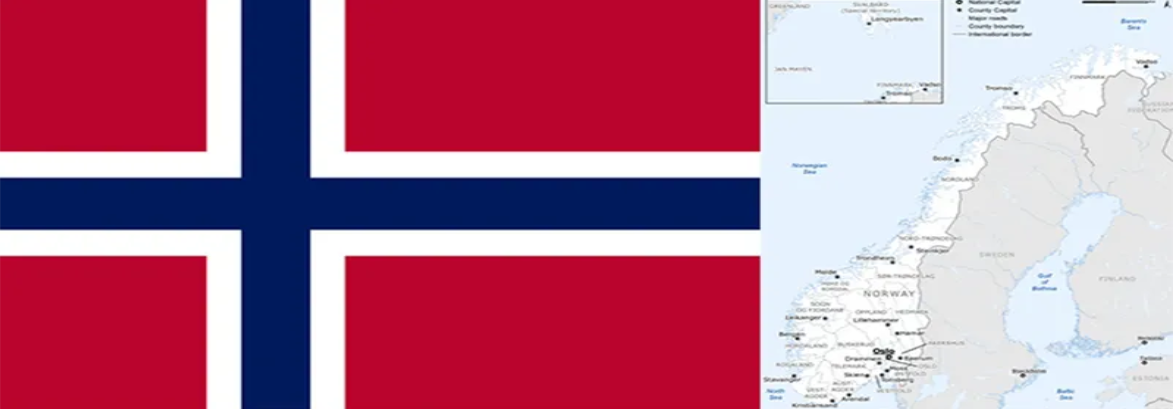
Norway
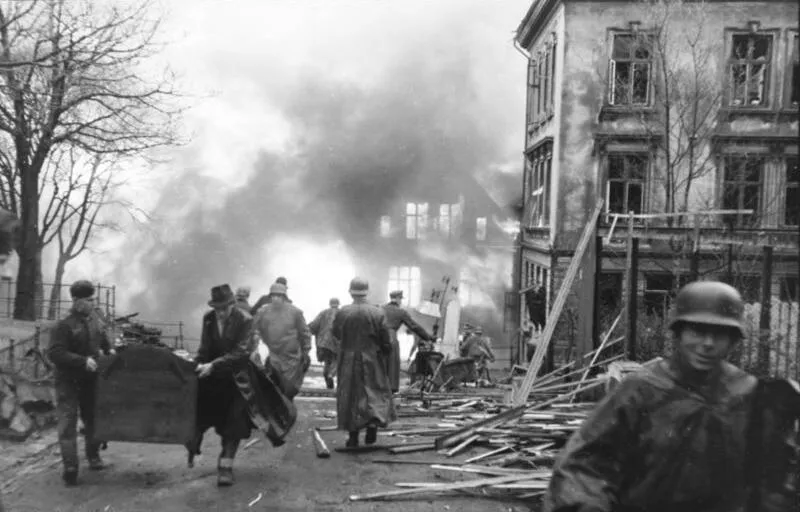
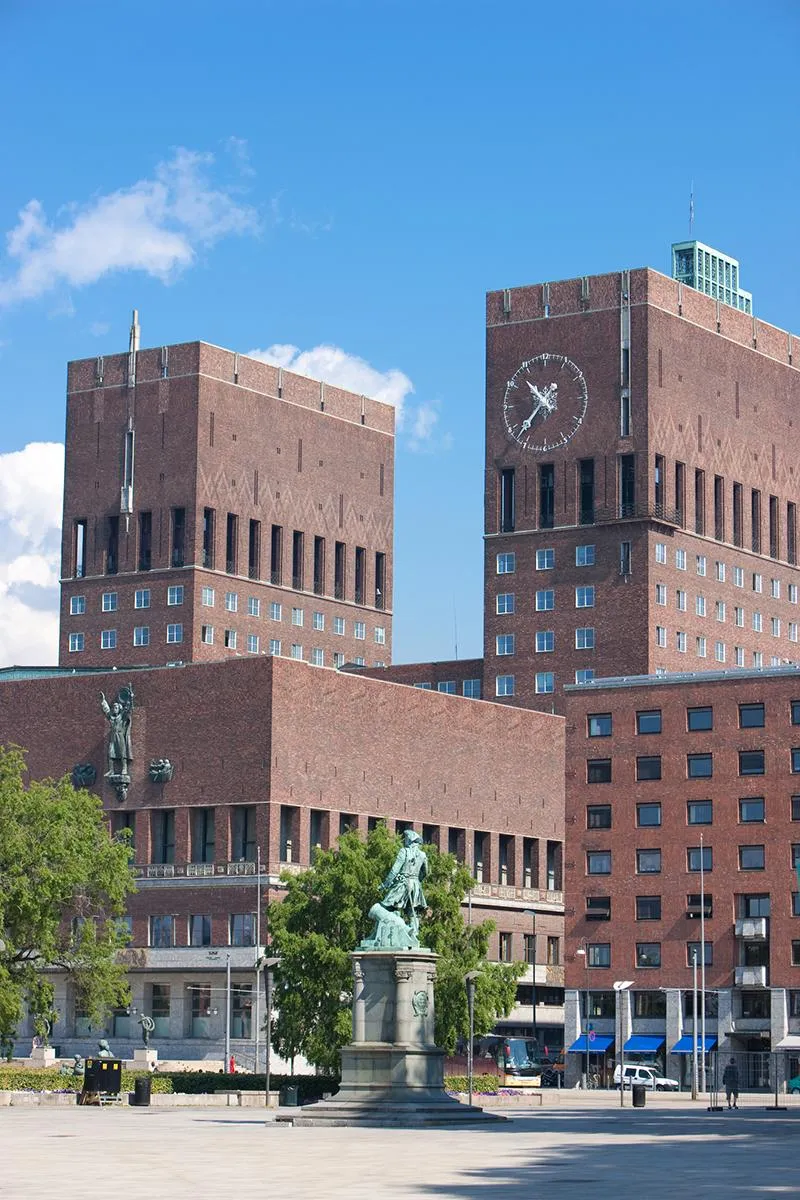
Norway’s involvement in World War II began on 9th April 1940, when German forces launched Operation Weserübung, invading the country and swiftly occupying major cities such as Oslo, Bergen, Trondheim, and Narvik. By early June 1940, organised resistance had ceased, leading to a five-year occupation that profoundly affected Norwegian society.
The German occupation imposed significant hardships on the Norwegian populace. Approximately 50,000 Norwegians were arrested during this period, with around 9,000 sent to prison camps outside the country, including the notorious Stutthof concentration camp.
The Jewish community faced severe persecution; of the estimated 2,173 Jews in Norway in 1942, at least 775 were arrested, detained, or deported. Tragically, 742 of these individuals were murdered in concentration camps, and 23 others died due to extrajudicial executions, murder, or suicide, totaling at least 765 Jewish Norwegian deaths, encompassing 230 entire households. Notably, Allied bombing campaigns targeting German installations inadvertently caused Norwegian civilian deaths. Civilian casualties during the occupation were significant, reflecting the widespread impact of the conflict on non-combatants.
Norwegian forces continued to resist from abroad, with approximately 80,000 citizens fleeing the country during the war.
By the end of the conflict, Norwegian forces in exile numbered around 28,000 enlisted men and women. The Royal Norwegian Navy, starting with 13 warships and 500 personnel, expanded to 58 active ships by the war’s end, having lost 27 vessels and 650 men in service.
The Royal Norwegian Air Force operated four squadrons in support of Allied forces, with Norwegian fighter squadrons accounting for a total of 247 enemy aircraft destroyed. By the war’s end, the Norwegian Air Force had 2,700 personnel and had suffered 228 losses.
The war also disrupted trade, led to resource shortages, and caused significant material losses. The long-term effects included shifts in economic policies and societal structures, influencing Norway’s development in subsequent decades.
The German occupation of Norway ended on 8th May 1945, following Germany’s surrender. In the immediate aftermath, Norway faced the challenge of reintegrating approximately 92,000 Norwegians who had been abroad, including 46,000 in Sweden. Additionally, the country had to address the presence of 141,000 foreign nationals, mostly liberated prisoners of war, including 84,000 Russians.
The transition to peace involved rebuilding the nation, addressing wartime traumas, and reestablishing democratic institutions. The collective memory of occupation and resistance has shaped Norway’s national identity, fostering a commitment to democracy and human rights. Norway’s experiences during the war have also shaped its foreign policy, emphasising international cooperation and a strong defense posture to safeguard its sovereignty.
(Never Again – for Humanity)