World War II
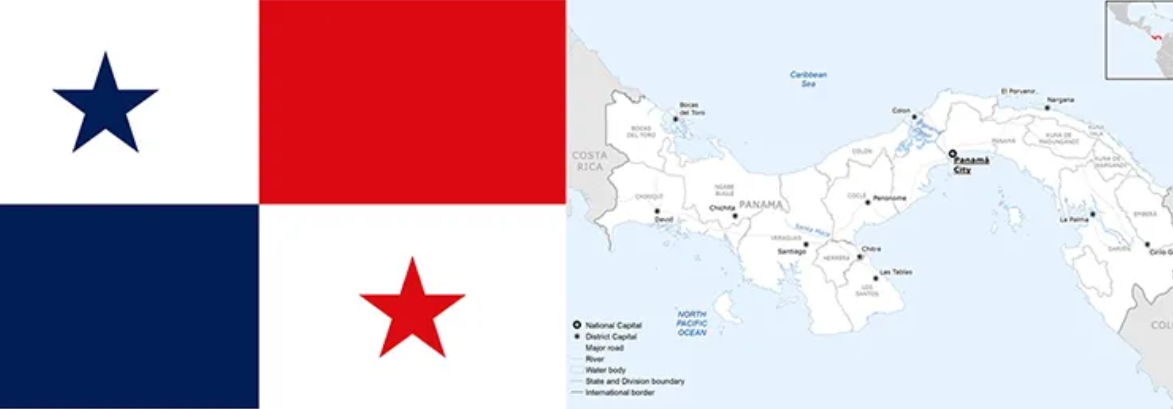
Panama
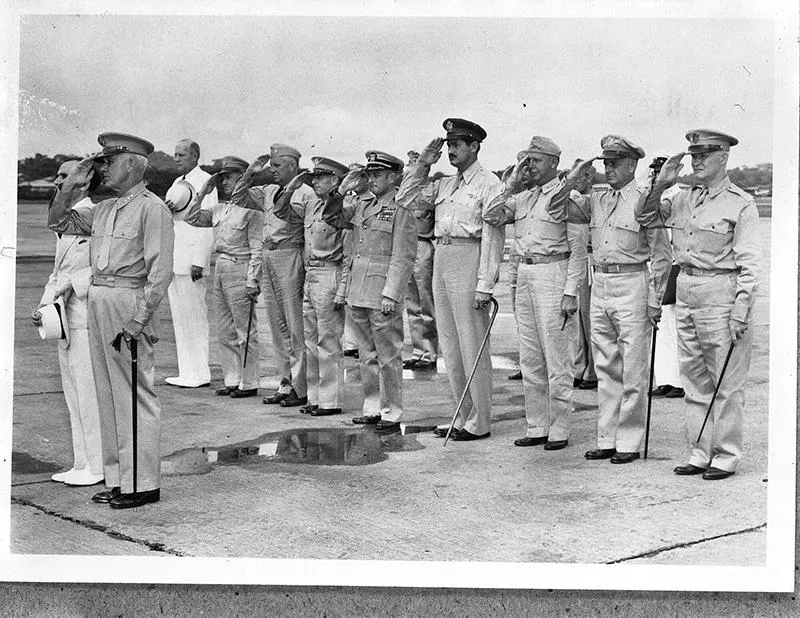
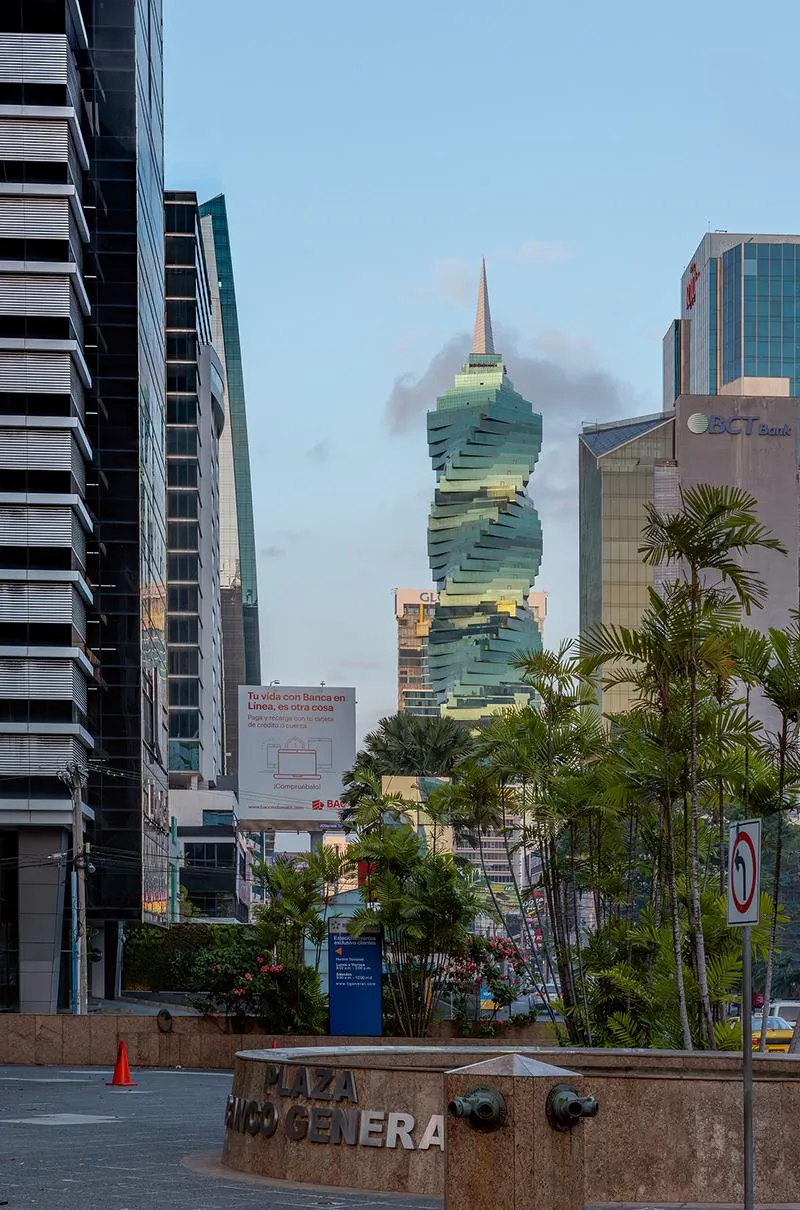
Panama played a strategic role during World War II, primarily due to the Panama Canal’s significance in global maritime navigation. Throughout this period, Panama’s involvement had notable economic and social implications, affecting various segments of its population, including civilians, women, and children.
The Panama Canal was a crucial asset during the war, serving as a vital conduit for Allied shipping between the Atlantic and Pacific Oceans. To safeguard this strategic passage, the United States bolstered its military presence in the Canal Zone, constructing numerous defense installations across the country. This military buildup led to a significant influx of both U.S. personnel and foreign workers, altering Panama’s demographic landscape.
Economically, the war’s impact on Panama was multifaceted. Commercial transit through the canal decreased by over one-third between 1940 and 1945, resulting in a two-thirds reduction in toll revenues. Conversely, domestic production experienced growth due to heightened wartime demand. Industries such as liquor, sugar, milk, and cattle saw production nearly double between 1939 and 1946.
Government expenditures quadrupled during this period, and U.S. investments in Panama tripled to $514 million, primarily in banking and public services.
By 1943, approximately 12.5% of Panama’s labour force was employed in the Canal Zone. The social fabric of Panama underwent significant changes due to the war. The massive influx of workers and military personnel into the Canal Zone, Panama City, and Colón led to shortages of qualified professionals, including teachers. The presence of foreign workers and soldiers introduced new social dynamics, leading to shifts in traditional roles and contributing to urban overcrowding.
The conclusion of major construction projects and the departure of foreign workers led to economic downturns. Notably, Panama experienced three significant economic booms: the first during the canal’s construction, the second during World War II, and the third following the revised Canal treaty of 1955. Each boom was followed by a depression, highlighting the economy’s sensitivity to external factors.
Today, the Panama Canal remains a pivotal element of global trade, contributing approximately 3% to Panama’s GDP, with net income from the canal reaching around $2 billion in 2021.
The war period also marked the beginning of a more interconnected relationship between Panama and the United States, influencing Panama’s political and economic trajectory in the latter half of the 20th century. While the nation was spared the direct horrors of combat, the war’s demands reshaped its economy and society, effects that are still evident in contemporary Panama. With President Trump demanding that the Panama Canal become their US asset.
(Never Again – for Humanity)