World War II
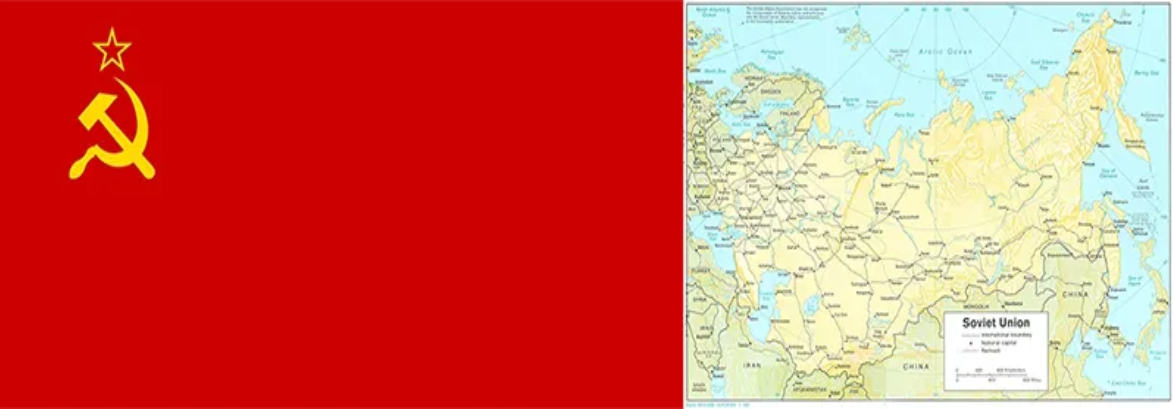
Russia (Soviet Union)
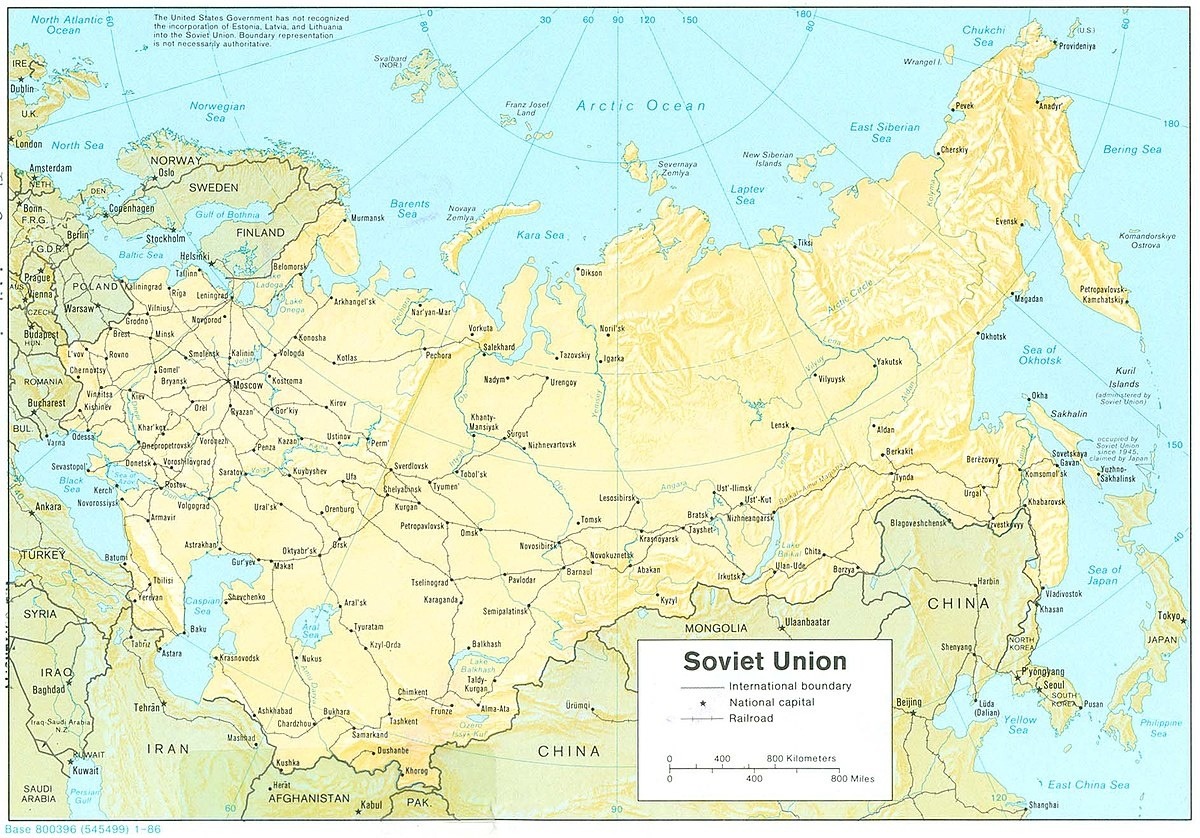
The Soviet Union’s involvement in World War II commenced on 22nd June 1941, when Nazi Germany launched Operation Barbarossa, a massive invasion of Soviet territories. This marked the beginning of the Eastern Front, a theater characterised by intense and brutal combat.
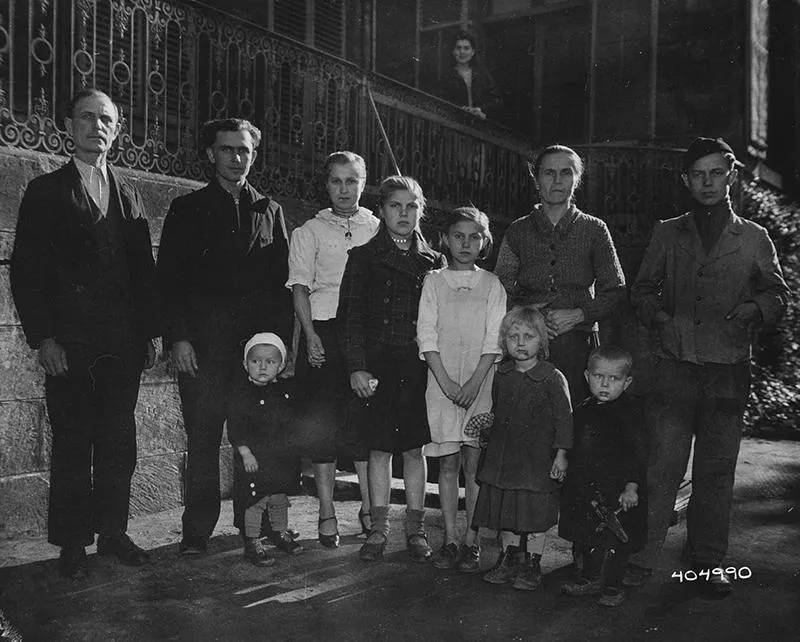
The Soviet Red Army, despite initial setbacks, mounted a resilient defense and eventually turned the tide against the Axis powers, playing a pivotal role in the defeat of Nazi Germany. Approximately 27 million Soviets perished during the war, with around 8.7 million military personnel and 19 million civilians. This accounted for about 14% of the Soviet population at the time. The civilian death toll included significant numbers of women and children, with many falling victim to starvation, forced labor, and mass executions.
During the Siege of Leningrad, which lasted from 1941 to 1944, over a million residents died, many of them from starvation and a substantial portion of these were women and children. In 1941, nearly half of all deaths in Soviet Russia were among children under the age of 5, with infants below 1 year constituting the majority.
Industrial output experienced a sharp decline, with the economy shrinking by approximately 20% between 1941 and 1945. The conflict led to the complete or partial destruction of 1,710 cities and towns, 70,000 villages, and 31,850 industrial establishments. Infrastructure suffered extensively, with 65,000 kilometers of railway tracks destroyed.
The financial burden was catastrophic – the Soviet Union spent at least $192 billion on the war effort. In the immediate post war period, the Soviet Union faced the monumental task of reconstruction. Despite the extensive devastation, the nation achieved rapid economic recovery, with industrial production returning to pre-war levels by the early 1950s. This recovery was driven by a focus on heavy industry and centralised economic planning. However, the emphasis on rapid industrialisation often came at the expense of consumer goods and agriculture, leading to continued hardships for the civilian population.
The war also had a lasting demographic impact, with a significant loss of the working-age male population affecting population growth and family structures for decades. The legacy of World War II remains deeply ingrained in Russian society today.
The conflict, known as the Great Patriotic War in Russia, is a central element of national identity and historical memory. Annual commemorations, such as Victory Day on 9th May, honor the sacrifices made during the war. The immense loss of life, particularly among civilians, has had enduring effects on the country’s demographic and social fabric.
The collective memory of the war continues to influence modern day Russia’s domestic and foreign policies, as well as its cultural and societal norms.
(Never Again – for Humanity)