World War II
Switzerland
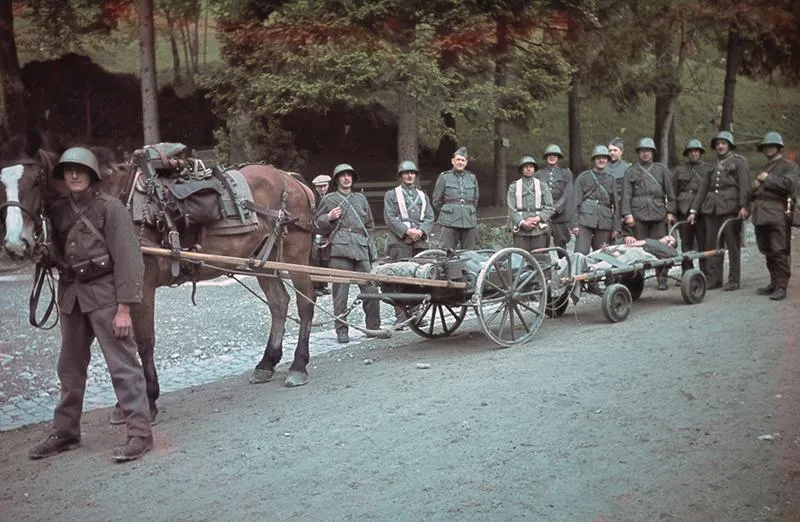
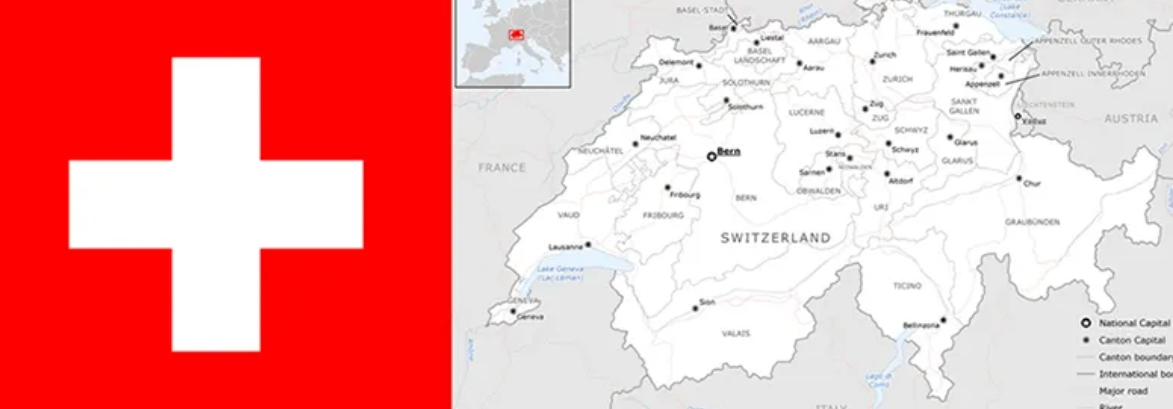
Switzerland maintained a position of neutrality during World War II, but the war had a profound and complex impact on the country both economically and socially. During this time, Switzerland mobilised its military to defend its borders, with approximately 850,000 Swiss soldiers conscripted at various points throughout the war, a significant number considering the country’s population of around 4 million at the time. Although Switzerland avoided large-scale military conflict, its airspace was repeatedly violated by both Allied and Axis powers, and Swiss cities were bombed on multiple occasions, most notably in 1940 and 1944, causing civilian casualties and significant infrastructure damage.
The total number of Swiss civilians killed as a direct result of the war is estimated to be around 100, though hundreds more were wounded or displaced due to bombings and border clashes. Switzerland became a hub for espionage and intelligence gathering for both Allied and Axis powers, as its geographic location and status as a neutral state made it a convenient base for covert operations.
Economically, Switzerland profited from the war through its banking sector and trade relationships with Nazi Germany and other Axis powers, a controversial aspect of its wartime history that continues to be debated today. It has been stated that many Swiss banks accepted deposits of looted gold and assets from Nazi Germany, and Swiss industries supplied precision instruments and machinery used by the German military, generating significant financial gains for the country. The war also forced Switzerland to implement strict rationing and food security measures to support its population, while the influx of refugees from neighboring countries placed considerable strain on Swiss resources.
Over 300,000 refugees sought shelter in Switzerland during the war, but the Swiss government adopted restrictive policies toward Jewish refugees, turning away thousands who were fleeing Nazi persecution, a policy that remains a dark chapter in the country’s history. Despite the economic benefits from wartime trade, Switzerland faced moral scrutiny in the post-war period for its financial dealings with Nazi Germany, leading to reparations and investigations into dormant Swiss bank accounts linked to Holocaust victims in the decades that followed.
The war’s long-term impact on Switzerland included increased militarisation and a heightened sense of national security, which influenced Swiss defense policies for years afterward. The memory of Switzerland’s controversial role in the war has shaped its modern foreign policy and national identity, with the government formally apologising in the 1990s for the country’s wartime refugee policies.
Today, the war’s legacy is reflected in Switzerland’s strong commitment to neutrality, humanitarian efforts, and financial transparency reforms.
(Never Again – for Humanity)