World War II
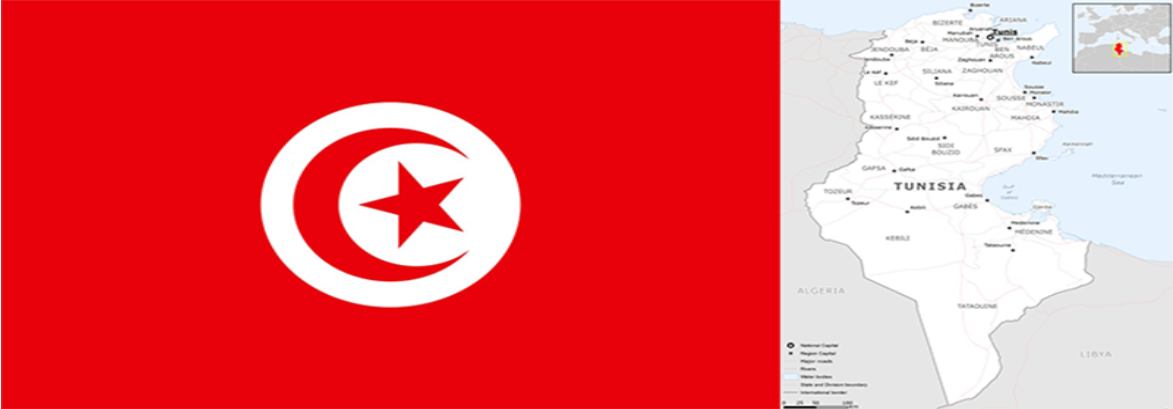
Tunisia

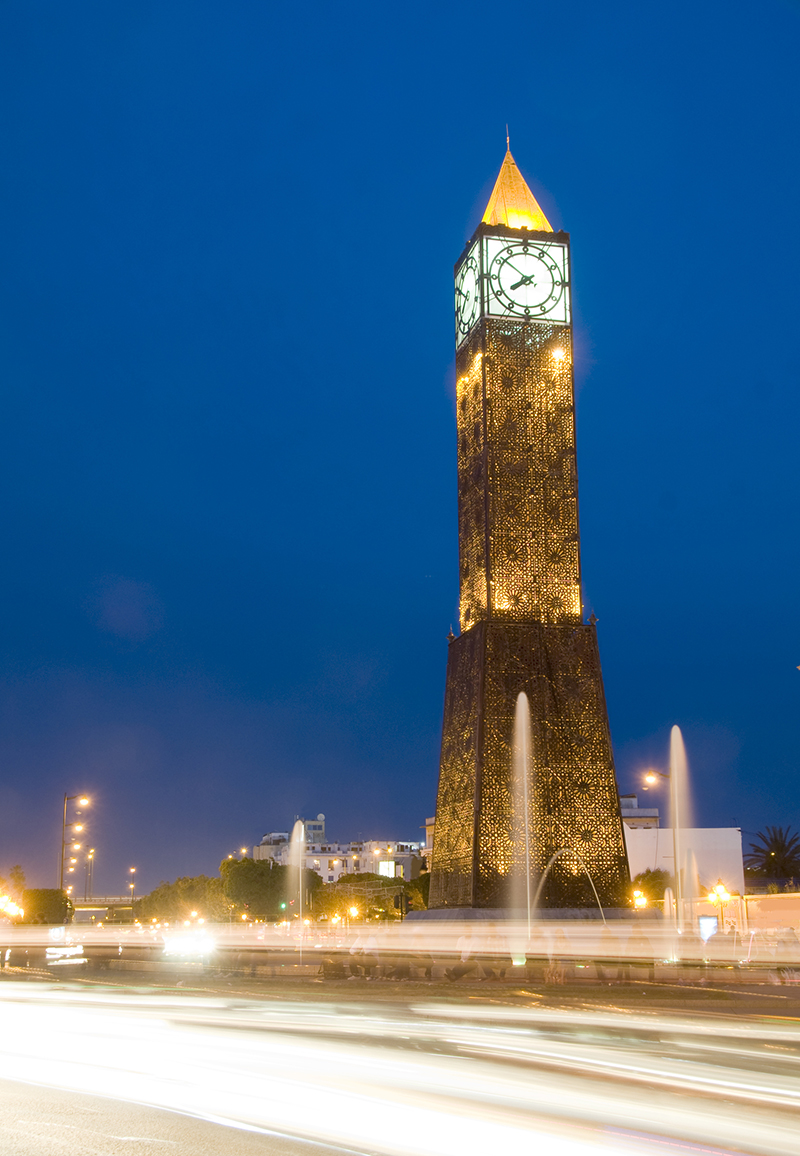
Tunisia played a crucial role in the North African Campaign during World War II, with its strategic position making it a key battleground between the Axis and Allied forces.
In November 1942, after the Allied invasion of North Africa, Tunisia became a major site of military operations, with both sides vying for control over its territory. The fighting in Tunisia was intense and lasted until May 1943, marking a decisive moment in the war.
The impact of the war on Tunisia was devastating, with significant loss of life, infrastructure, and long-lasting socio-economic consequences. As the country was occupied first by Italian and later by German forces, Tunisia became a hub for heavy combat.
The civilian population endured tremendous suffering, with thousands killed or injured in bombings, land battles, and forced labor camps.
The economic toll was also immense as the agricultural and industrial sectors were decimated, and the local population was subjected to severe shortages of food, medicine and other basic necessities. Estimates suggest that around 10,000 civilians died, with many more wounded, and the country’s infrastructure was severely damaged.
The war had a particularly harsh effect on women and children, who were often left without fathers, brothers, and husbands, while many women were subjected to violence, displacement, and forced labor. Over 70,000 soldiers were involved in the conflict, including both Allied and Axis forces, with significant casualties on both sides. After the war, the consequences were long-lasting: Tunisia struggled to recover economically, and the societal fabric was altered as many families lost their livelihoods and members.
The end of the war saw the eventual withdrawal of Axis forces and the stabilization of the region under Allied control, but the economic damage persisted for years. The war left deep scars on Tunisian society, with many families still suffering from the loss of loved ones and the destruction of homes and communities. It also laid the groundwork for Tunisia’s post-war political changes, including the rise of nationalist movements that eventually led to independence from French colonial rule in 1956.
The legacy of World War II in Tunisia continues to influence the country’s development today, as it faced a long road to recovery, and the war’s social and economic toll has had a lasting impact on its citizens.
The trauma of those years still resonates with the survivors and their descendants, and the lessons of the war remain a part of the national consciousness, as Tunisia continues to grapple with the complexities of its history.
(Never Again – for Humanity)