World War II
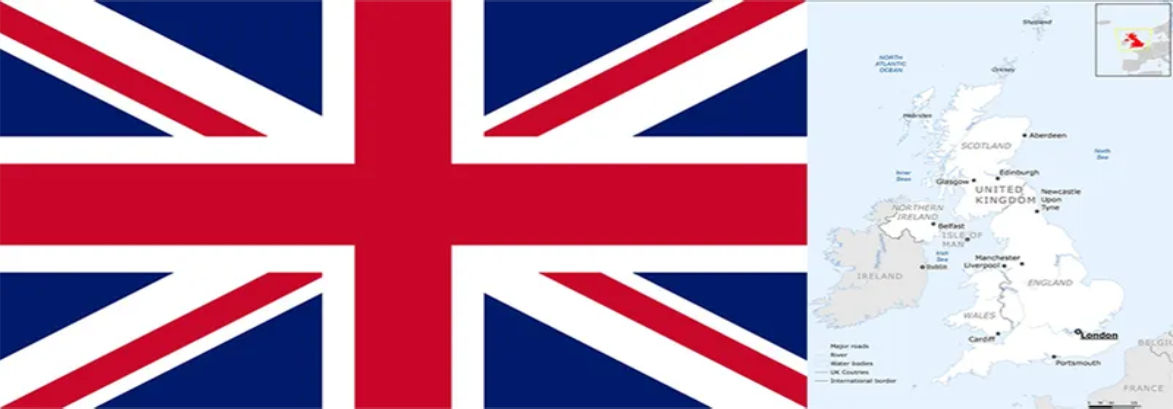
United Kingdom
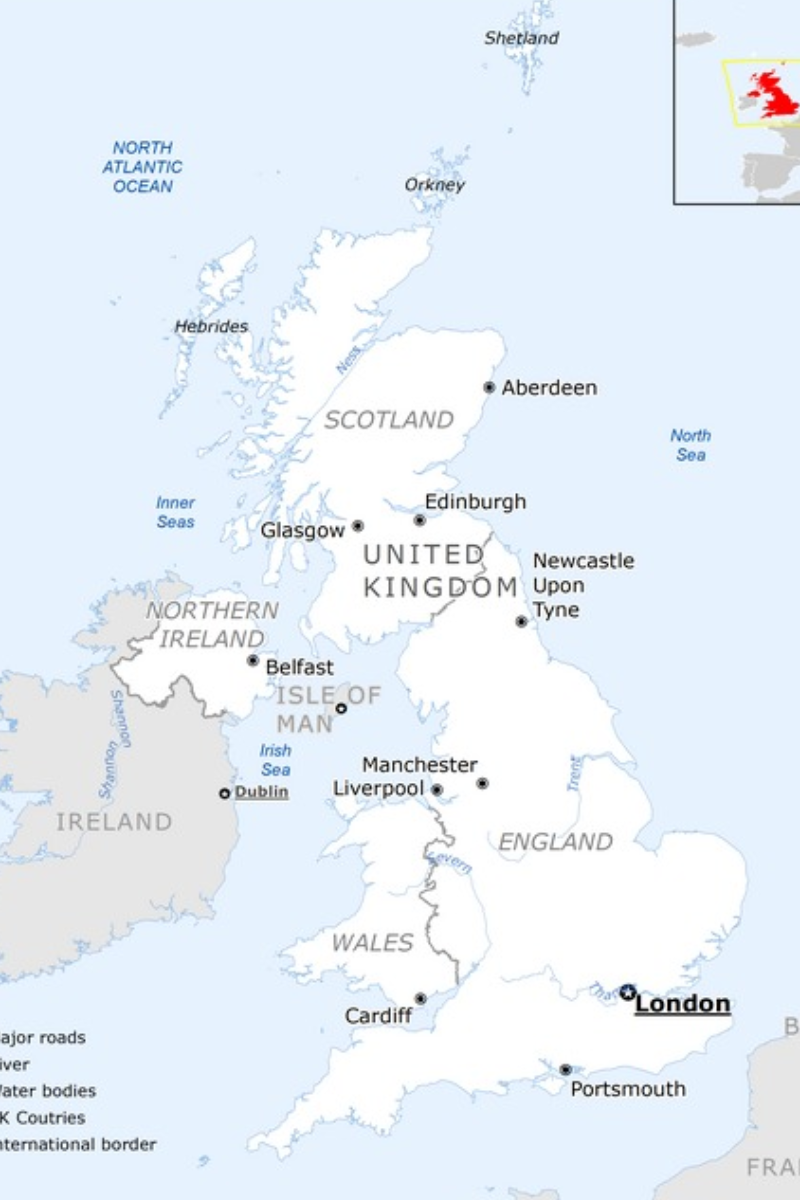
The United Kingdom played a crucial role in World War II from its official declaration of war on 3rd September 1939, following the invasion of Poland, until victory was achieved in Europe on 8th May 1945, and in the Pacific on 2nd September 1945, engaging in both direct combat and strategic planning that shaped the outcome of the war.
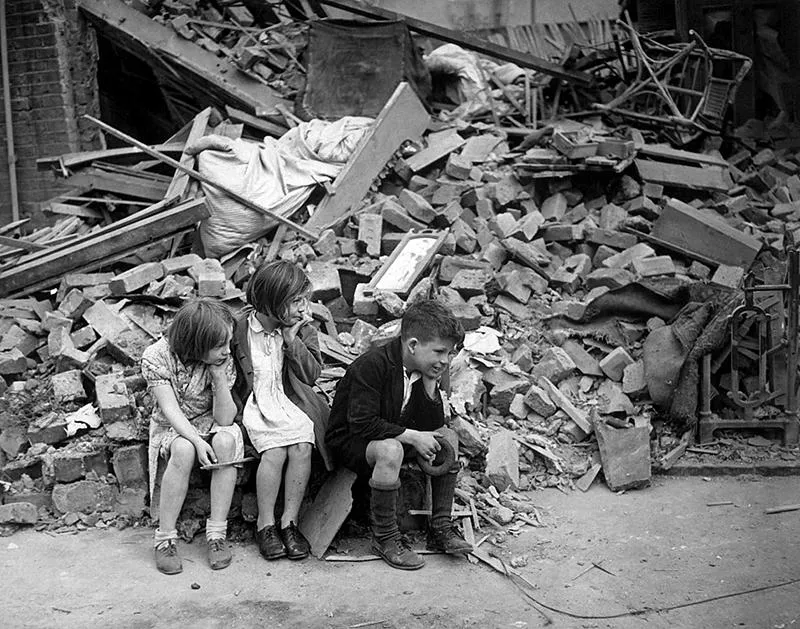
The conflict resulted in an estimated 450,900 British deaths, including approximately 67,100 civilians killed by air raids, notably during the Blitz from September 1940 to May 1941, when major cities such as London, Coventry, and Liverpool were heavily bombed, causing destruction to homes, infrastructure, and industries, displacing over two million people and leaving entire communities devastated.
To protect the vulnerable, around 3.5 million children were evacuated from urban centers to the countryside under the government’s mass evacuation scheme, though many later returned before the end of hostilities.
Women played an instrumental role in supporting the war effort, with over 7 million entering the workforce in munitions factories, agriculture, civil defense, and auxiliary military services such as the Air Transport Auxiliary, anti-aircraft units, and intelligence roles, taking on responsibilities previously reserved for men.
The United Kingdom mobilised over 5.9 million military personnel who fought in key campaigns across Europe, Africa, and Asia, including the Battle of Britain in 1940, where sustained air combat prevented an invasion, the North African Campaign from 1940 to 1943, culminating in the defeat of Axis forces, the pivotal D-Day landings in Normandy on June 6, 1944, which marked the beginning of the liberation of Western Europe, and the prolonged Battle of the Atlantic, which lasted from 1939 to 1945 and was crucial in maintaining vital supply lines from North America.
The economic cost of the war was staggering, with national debt surging to nearly 240% of GDP by 1945, leading to severe financial strain, prolonged rationing of essential goods such as food, clothing, and fuel, and a housing crisis due to widespread bomb damage. To finance military operations, the government implemented high taxes, sold off overseas assets, and relied heavily on loans, notably the Lend-Lease agreement with the United States, which provided approximately $31.4 billion (equivalent to about £7.1 billion at the time) in military aid.
Resource shortages led to the introduction of rationing in January 1940, starting with food items like bacon, butter, and sugar, and later extending to clothing and fuel. Rationing aimed to ensure equitable distribution of scarce goods and continued in various forms until 1954. The government also promoted the “Dig for Victory” campaign, encouraging citizens to grow their own food to alleviate pressure on public supplies.
The conclusion of World War II did not immediately alleviate the UK’s economic challenges. The abrupt termination of Lend-Lease in 1945 exacerbated financial difficulties, leading to the negotiation of the Anglo-American Loan Agreement in 1946, wherein the UK borrowed $3.75 billion from the U.S. and an additional $1.19 billion from Canada, both at 2% interest rates. These loans were essential for post-war reconstruction and were fully repaid by 2006.
The collective hardship fostered a sense of unity and a demand for improved social welfare. This sentiment contributed to the establishment of the National Health Service (NHS) in 1948, providing free healthcare to all citizens, and the expansion of social security systems. These institutions have become cornerstones of British society, reflecting the enduring legacy of wartime experiences on contemporary social policies.
The events of World War II had a profound and multifaceted impact on the United Kingdom, resulting in significant military and civilian casualties, severe economic strain, and lasting social reforms that continue to influence British society to this day.
(Never Again – for Humanity)